
Home Office Organization: How Minimalism Can Enhance Productivity and Clarity in Work Environments
Understanding the Importance of Workspace Organization
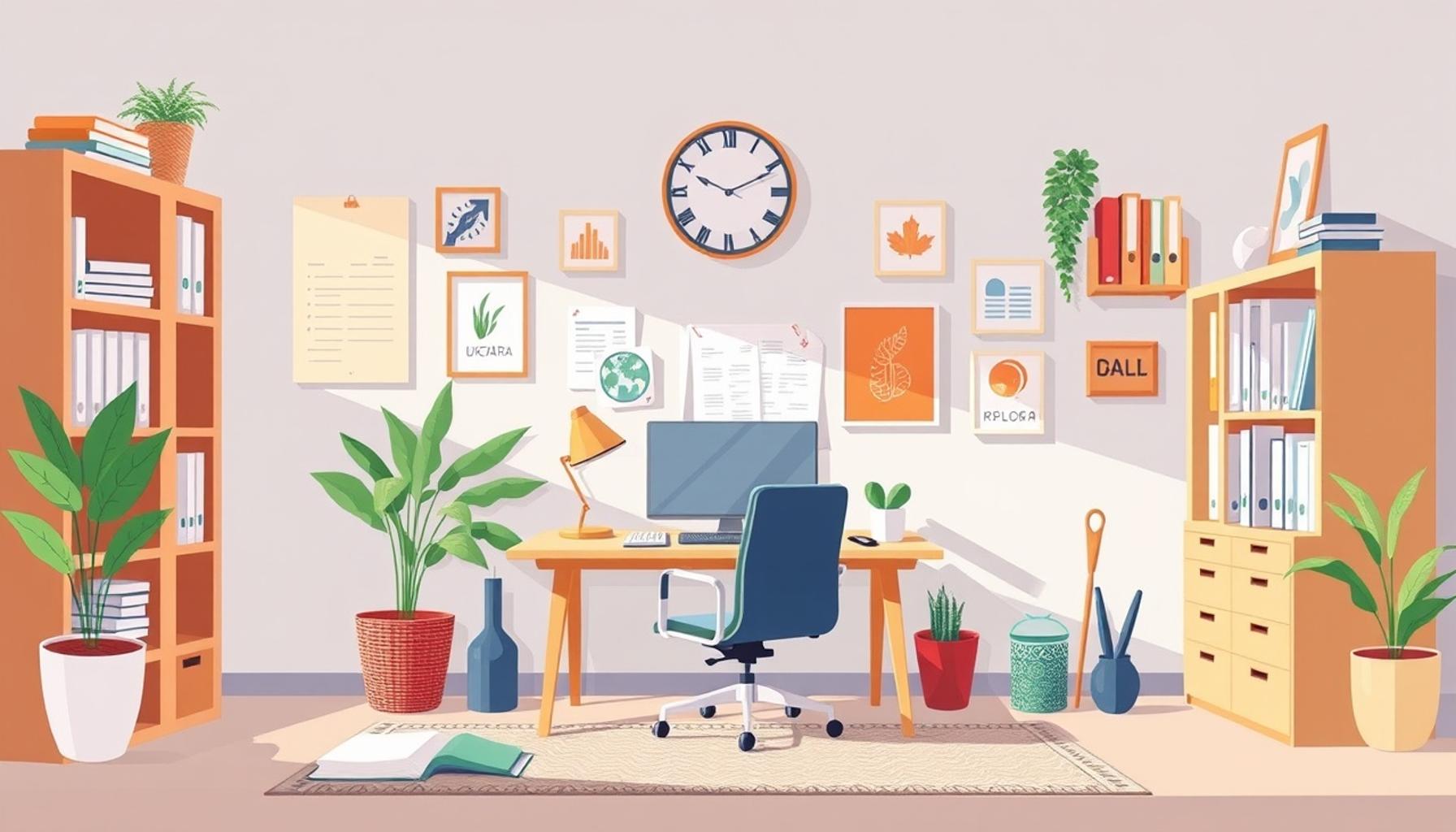
In today’s fast-paced world, home office organization has become more crucial than ever. A cluttered environment can lead to distractions, while a minimalistic approach can foster creativity and efficiency. As more individuals embrace remote working, the need for an intentional workspace has surfaced, showcasing the direct link between a well-structured environment and productivity.
When you adopt a minimalist philosophy to transform your workspace, you embark on a journey of eliminating excess, which can yield remarkable benefits. A notable advantage of a minimalist workspace is reduced clutter. Having fewer items in your environment translates to fewer distractions, allowing you to focus more intently on your tasks. For example, instead of inundating your desk with paperwork and knick-knacks, consider utilizing a single organizer for essential documents while storing non-urgent materials elsewhere. This simple shift can significantly clear your mind and workspace.
Moreover, increased focus is a natural byproduct of a clean desk. Studies indicate that visual clutter can hinder cognitive processing, making it challenging to concentrate. By enabling a streamlined environment, you can engage fully with your work without the constant pull of irrelevant items vying for your attention. When your space is clear, your thoughts generally become clearer, leading to enhanced creativity and problem-solving.
To further improve functionality, better time management is essential. A well-organized workspace simplifies your ability to locate crucial tools quickly. Imagine searching for a particular document amidst stacks of papers versus having a designated folder with everything categorized correctly. The latter not only saves time but also reduces the stress associated with misplaced resources.
Embracing Minimalist Principles
To truly enhance productivity and clarity, consider some core minimalist principles:
- Essentialism: Focus on what is truly necessary for your work. Identify the tools that directly contribute to your productivity and keep only those visible.
- Functional Design: Choose furniture and tools that serve multiple purposes. For instance, a desk with built-in storage can eliminate the need for separate filing cabinets, maximizing your space.
- Decluttering Regularly: Commit to keeping only items that support your productivity. Establishing a routine, such as a weekly clean-up, can help maintain a pristine environment.
As many individuals transition to remote work, understanding the impact of your environment on productivity is vital. Implementing a minimalist mindset can prompt significant shifts in how you approach your daily responsibilities. Not only does a clean, organized office enhance your mental clarity and focus, but it also cultivates a serene atmosphere conducive to creativity.
In summary, by thoughtfully organizing your home office with a minimalist approach, you can unlock newfound clarity and drive. The time you invest in creating an intentional workspace can pay dividends, boosting both your productivity and overall well-being in this ever-evolving work landscape.
The Minimalist Mindset: Foundation for a Productive Space
When it comes to home office organization, adopting a minimalist mindset is more than just a trend; it is a necessary recalibration of how we engage with our work environments. Minimalism encourages a strategic elimination of unnecessary items, which can significantly streamline our daily routines. In essence, this approach invites us to scrutinize what we truly need, enabling a workspace that fosters enhanced productivity and clarity.
The principle of minimalism invites individuals to reconsider each item they place within their workspace. Does the object enable productivity or add value? This question should guide all decisions about what stays and what goes. By keeping only items that facilitate work, you can create an environment where distractions are markedly reduced. For example, instead of displaying multiple photo frames or excessive stationery, opt for a single personal item that inspires you—this not only clears space but also keeps you anchored to your motivations.
One tangible way to implement minimalism in your office is through systematic categorization. Start by assessing your existing layout: analyze desk drawers, shelves, and wall space. Consider emptying these areas completely and only placing back items that serve a clear purpose. This decluttering ritual not only frees physical space but also clears mental clutter, thereby enhancing decision-making and creative thinking. When your workspace embodies clarity, your innovative thinking flourishes.
The Power of a Functionally Designed Workspace
Optimal workspace design plays a vital role in promoting productivity. Here are a few strategies to embrace:
- Multi-functional Furniture: Invest in pieces that serve various needs, such as a desk with built-in storage or a chair that doubles as a small bookshelf.
- Zoning: Create distinct areas for different tasks, such as a reading nook for brainstorming and a dedicated workspace for focused tasks.
- Simplicity in Tools: Limit the number of tools and applications you use to a select few that enhance your workflow, reducing overwhelm.
Research has shown that a clean, organized workspace contributes to mental clarity and better focus. According to a survey conducted by the National Association of Productivity and Organizing Professionals (NAPO), 91% of individuals reported feeling more creative when their workspaces were organized. This correlation between organization and innovation should motivate anyone working from home to rethink their environments.
As we delve deeper into the world of home office organization, it’s essential to remember that minimalism is not about deprivation but liberation. By intentionally curating your workspace, you open yourself up to a more streamlined approach to work, ultimately enhancing your productivity and clarity. This is just the beginning of how minimalism could transform your professional space into a sanctuary of creativity and focus.
Embracing Minimalism for a Streamlined Workspace
A minimalist approach to home office organization not only promotes clarity but significantly enhances productivity. By removing excess clutter and simplifying your surroundings, you allow your mind to focus on essential tasks. This fundamental principle of minimalism revolves around the idea of “less is more.” Incorporating just the necessary elements into your workspace fosters a sense of calm and reduces distractions, ultimately driving your efficiency and effectiveness.In a well-organized office, every item serves a purpose and contributes to your overall productivity. For instance, consider the arrangement of your desk. With only a few essential tools—such as a sturdy notebook, a pen, and your computer—you create an inviting environment that encourages concentration and creativity. Another aspect worth noting is the impact of color and design in a minimalist setting. A neutral color palette can evoke tranquility, while a few thoughtfully chosen decorative items can inspire motivation without overwhelming the space. Studies suggest that a clear and aesthetically pleasing environment can lead to improved mental well-being, which directly translates into better work performance.Implementing organizational systems is also vital in a minimalist home office. Utilize desktop organizers, cable management solutions, and designated storage spaces to maintain order. These systems not only declutter your immediate workspace but also streamline your workflow, making tasks easier and more efficient. When you know exactly where everything is located, time wasted searching for materials diminishes, allowing for a smoother workday.By considering these aspects of minimalism, you can transform your home office into a sanctuary of productivity and clarity. The shift may involve some initial effort in assessing what items truly belong in your workspace, but the long-term benefits are undoubtedly rewarding. To further illustrate this, let’s take a look at some advantages of minimalism in your home office:
| Advantage | Description |
|---|---|
| Increased Focus | Minimal distractions in a clutter-free space enhance concentration on essential tasks. |
| Enhanced Creativity | A clean and organized environment encourages fresh ideas and creative solutions. |
With minimalism, you are not merely clearing space; you are making room for your potential. As you embark on this organizational journey, stay open to discovering new ways to elevate your workspace experience.
Embracing Digital Minimalism for Enhanced Workflow
In today’s digital age, home office organization extends beyond physical decluttering; it also encompasses managing digital clutter. Every professional encounters an overwhelming array of information, tools, and applications on a daily basis. Embracing digital minimalism can significantly elevate your productivity by refining your virtual workspace just as effectively as you would with your physical environment. This involves methodically curating the applications and files on your computer and organizing them to facilitate easy access while avoiding distractions.
A practical approach to achieving a minimal digital workspace involves conducting regular audits of your applications and files. Start by asking yourself which tools you genuinely use and which ones are merely occupying space on your desktop. Research from productivity expert Cal Newport emphasizes that the fewer applications we rely on, the more focused our work becomes. Streamlining your digital tools eliminates the constant switching between tabs and apps, which can sap precious cognitive energy. Aim to reduce your digital toolkit to a handful of essential applications that enhance your workflow, ultimately creating a streamlined and efficient digital environment.
Creating a System of Efficiency
Having a solid organizational system in place can yield substantial benefits; consider implementing strategies like:
- Folder Hierarchy: Establish a logical nested folder structure on your computer or cloud storage. This allows you to categorize documents based on projects or themes, enabling quick access to important materials.
- Regular Backups and Cleanups: Schedule periodic clean-up sessions for both your physical and digital spaces. Cleaning out old files and applications can prevent clutter and ensure you utilize relevant resources effectively.
- Focus Tools: Utilize focus tools such as website blockers or time-management applications that nurture a more concentrated work environment, limiting unnecessary diversions that stem from online activities.
Additionally, digital notes can be another source of clutter. Instead of allowing a multitude of poorly organized notes to accumulate over time, consider adopting a single application for taking notes and keeping track of ideas. For instance, platforms like Notion or Evernote provide organizational capabilities to help transform your thoughts into structured, actionable items.
The organization of your digital workspace also holds significant psychological implications. According to a study published by the American Psychological Association, less clutter in our digital environments leads to reduced anxiety and increased focus, similar to the effects of a decluttered physical space. By opting for a minimalist approach to both physical and digital aspects of your office, you foster a sense of calm, enabling clearer thinking and enhanced creativity.
Ultimately, the intersection of minimalism and digital organization offers a unique avenue for nurturing creativity and productivity. As work-from-home dynamics continue to evolve, ensuring that both your physical and digital spaces are minimal yet efficient is essential. This dual focus on clarity can dramatically transform your approach, helping you achieve your professional goals more effectively.
Conclusion: The Power of Minimalism in Home Office Organization
In summary, home office organization powered by minimalism provides a pathway to heightened productivity and mental clarity, particularly in today’s fast-paced work environment. By deliberately removing physical and digital clutter, individuals can unlock a work setting that promotes creativity, efficient task management, and reduced stress. As we’ve explored, creating an organized workspace involves more than just decluttering; it requires a thoughtful approach to both your tangible surroundings and your digital landscape.
Implementing strategies such as a logical folder hierarchy, regular cleanups, and focused productivity tools ensures that every element of your workspace serves a purpose. This curated environment fosters an atmosphere conducive to concentration and high-quality output, empowering you to tackle your professional projects with a renewed sense of direction. Additionally, the psychological benefits of such an organized space can’t be overstated; studies indicate that reduced clutter leads to increased focus and less anxiety, ultimately enhancing daily performance.
As remote work continues to shape the future of employment, it’s essential to take proactive steps in organizing your home office. This minimalist approach not only optimizes your workflow but also cultivates a healthier work-life balance. Whether you’re a remote employee, freelancer, or entrepreneur, diving deeper into the principles of minimalism could prove revolutionary for your productivity.
By embracing these strategies, you can transform your workspace into a sanctuary of focus and innovation, guiding you on the path to success. Explore these practices further, and watch as your work environment transitions from chaotic to clear, significantly improving your efficiency and overall satisfaction in your work life.

Beatriz
Beatriz Johnson is a seasoned minimalist and writer with a passion for simplifying the complexities of personal organization and intentional living. With over a decade of experience in decluttering strategies and mindful consumption, she specializes in topics like space optimization, habit simplification, and sustainable lifestyle choices. Through her work on our website, Beatriz empowers readers to embrace minimalism, reduce mental and physical clutter, and create more meaningful, organized lives in today's fast-paced world.