
Transforming Creative Spaces: Minimalist Approaches to Artistic and Project Organization
Reimagining Creative Environments
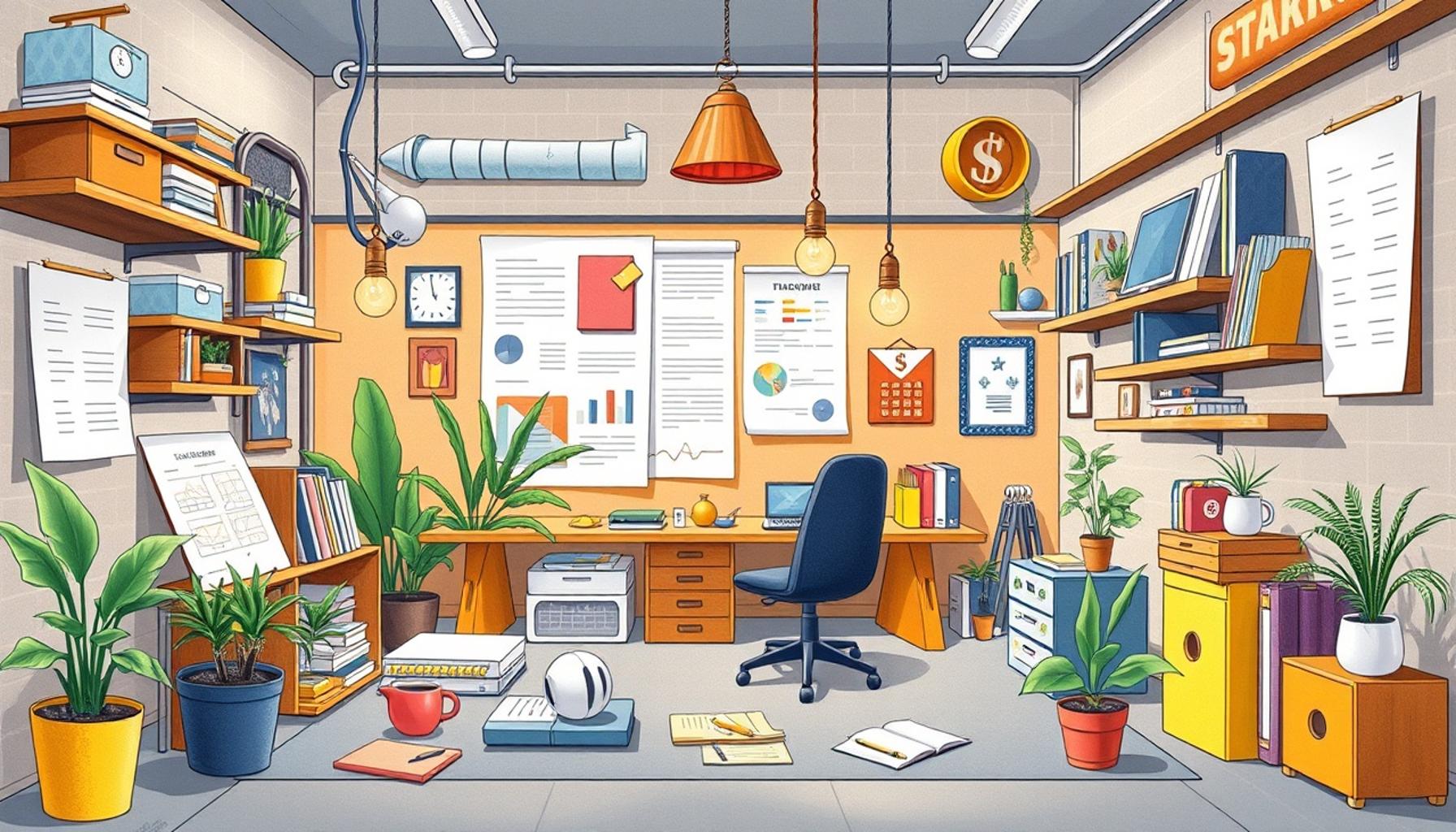
In today’s fast-paced society, the clutter surrounding our creative spaces can stifle inspiration. Embracing a minimalist approach to organization not only clears physical surfaces but also unclutters the mind, paving the way for enhanced creativity. This transformation can reshape your workspace into a sanctuary for artistic expression.
What Minimalist Organization Offers
Minimalist organization focuses on simplicity and functionality. By eliminating excess, you can create a streamlined environment that promotes focus and efficiency. For instance, consider the decluttering trend that has gained popularity in the United States, inspired by figures like Marie Kondo, whose teachings encourage individuals to keep only what “sparks joy.” Such practices have led many to create spaces that are not only visually appealing but also conducive to creativity.
Here are some key benefits of adopting minimalist organization in your workspace:
- Enhanced Focus: Fewer distractions lead to deeper concentration. A tidy desk can help you zone in on your work, facilitating a flow state that is crucial for creative endeavors.
- Increased Productivity: An organized space facilitates easier access to materials. For example, having designated drawers for art supplies or office essentials means no more searching for that elusive pen when inspiration strikes.
- Reduced Stress: Clutter-free areas can lead to a calmer mindset. Studies indicate that a clean environment can lower anxiety, allowing your brain to function more effectively—perfect for brainstorming or project planning.
Adopting a minimalist philosophy can also involve a variety of innovative techniques. Consider these methods as you rethink your creative haven:
- Digital Tools: Use apps and software such as Trello or Notion to keep digital files organized, which complements the physical decluttering and ensures you waste less time searching for information.
- Multi-functional Furniture: Opt for pieces that serve multiple purposes. A storage ottoman or a foldable desk can maximize space while providing additional utility—ideal for small apartments or shared spaces.
- Defined Zones: Establish specific areas for different activities within your space. For instance, a reading nook tucked away from your main workspace can create a distinct boundary between relaxation and productivity.
As we delve deeper into the ways to transform your creative haven, keep in mind how these minimalist approaches can inspire both artistic and project organization. A minimalist mindset not only redefines physical spaces but also has the potential to redefine how you approach your creativity and work processes. By consciously crafting your environment, you may discover a newfound clarity and inspiration that propels your projects to new heights.
The Transformative Power of a Minimalist Mindset
In today’s fast-paced world, the concept of minimalism has transcended beyond mere aesthetics; it has become a philosophy that fosters clarity and focus. The principles of minimalism can radically transform your creative space, helping you clear both physical and mental clutter. Instead of juggling countless distractions and items, embracing simplicity allows you to hone in on what really matters in your creative endeavors. By wiping the slate clean and thoughtfully organizing your environment, you can create an inspiring workspace that serves as a catalyst for your ideas.
Steps to Achieve a Minimalist Creative Sanctuary
Embarking on the journey toward a minimalist creative sanctuary is both fulfilling and practical. Each step serves as a building block for a more efficient workspace, maximizing your creativity while reducing distractions. Here’s how you can make this transformation effectively:
- Begin with a Clean Slate: The initial step is to remove all items from your creative space. This means taking everything off your desk, clearing shelves, and even decluttering the floor. This process allows you to assess what truly resonates with your creative process and what only contributes to your mental chaos.
- Assess and Curate: Once everything is out in the open, critically evaluate each item. Ask pivotal questions: Does this tool enhance my creativity? Is it something I use regularly, or does it serve merely as decorative clutter? Strive to retain only those items that play a vital role in your artistic expression, such as your favorite sketchbook or essential art supplies.
- Implement a ‘One In, One Out’ Rule: This practical guideline helps manage future acquisitions. For every new tool, piece of art, or decoration you bring into your space, let go of an existing item. This not only creates a balanced environment but also promotes intentionality in what you include in your creative sanctuary.
- Optimize Storage Solutions: Investing in storage solutions that align with minimalist principles is crucial. Look for clear bins, tailored drawers, or stylish organizers that can keep your materials sorted while complementing the overall aesthetic of your workspace. Maintaining accessibility while ensuring everything is neatly stored invites inspiration without friction.
- Create Visual Flow: The layout of your workspace can significantly affect your productivity and creativity. Organize items based on how frequently you use them. For example, place your favorite paintbrushes or notebooks within arm’s reach while storing less commonly used materials out of sight. This arrangement not only streamlines your process but also cultivates a serene environment that boosts creativity.
Embracing these practical strategies not only leads to an organized workspace but also invokes a shift in your mindset towards creativity and productivity. As your creative environment evolves, you may find that your creative output also flourishes, allowing new ideas and innovative projects to emerge. The minimalistic approach allows space for inspiration to thrive, proving that sometimes, less truly is more.
As you move forward with your minimalism journey, remember that this is not just an external transformation of your space; it reflects an internal shift. Fostering a clean, intentional environment can unleash creativity in ways you might not have anticipated. So take a step back, embrace simplicity, and watch as your artistic expressions blossom in a thoughtfully curated creative sanctuary.
| Advantage | Description |
|---|---|
| Enhanced Focus | A minimalist approach eliminates distractions, allowing creatives to channel their energy into their artistic projects. |
| Optimized Space Utilization | By focusing on essentials, artists can maximize functionality of their workspace, leaving room for inspiration and creativity to grow. |
Incorporating minimalist approaches into creative spaces streamlines organization and boosts productivity. For instance, implementing a clean and intentional layout not only enhances visual appeal but also supports a collaborative environment. Each element serves a purpose, contributing to a holistic artistic experience. Colors, materials, and textures can align with personal styles while maintaining the essence of minimalism.This method of arrangement can lead to innovative practices. Organizing tools and materials systematically encourages creators to experiment freely without feeling overwhelmed by clutter. Creative minds often thrive in spaces that reflect clarity and intentionality, making it easier to transition from ideation to execution.Moreover, minimalistic principles can inspire sustainability, motivating artists to prioritize quality over quantity in their projects. By adopting such frameworks, individuals can better appreciate the beauty of simplicity, leading to richer creative outcomes. Embracing these transformative principles can elevate not just projects but the entire artistic journey.
The Role of Technology in Minimalist Creative Organization
In an era where technology plays a pivotal role in our daily lives, integrating digital solutions into your minimalist approach can significantly enhance your creative space. The idea is to leverage technology to eliminate physical clutter while retaining the essential tools for artistic expression. This integration not only streamlines your workspace but also fosters a dynamic environment conducive to creativity.
Digital Tools to Enhance Minimalism
There are numerous digital tools and applications designed to assist in the organization of creative projects and tasks. Here are several popular examples:
- Project Management Software: Tools like Trello, Asana, or Notion offer intuitive interfaces for tracking projects and tasks. By creating digital boards or lists, you can visualize your creative workflows and prioritize tasks, all while reducing the need for paper notes and physical project trackers that can clutter your space.
- Cloud Storage Services: Utilizing services such as Google Drive, Dropbox, or OneDrive allows you to store your work and reference materials digitally. This minimizes the physical footprint of your resources and keeps them organized and accessible from any device, empowering you to create without being tethered to a cumbersome filing system.
- Digital Design Software: Instead of stocking your workspace with a plethora of physical materials, programs like Adobe Creative Suite, CorelDRAW, or Sketch enable artists to create, edit, and refine their work digitally. This not only conserves resources but also allows for seamless manipulation of projects, making the creative process more efficient.
- Online Courses and Resources: Platforms like Skillshare or Coursera provide access to a wealth of knowledge and tutorials that can enhance your skill set from the comfort of your decluttered creative space. Investing in online learning reduces the need for physical books and course materials, aligning perfectly with the minimalist philosophy.
Physical Spaces in Harmony with Digital
While embracing digital tools, it is important to recognize that a minimalist creative space should also be inviting and comfortable. Here are some ways to harmonize your physical and digital realms:
- Designate Zones: Establish specific areas within your workspace dedicated to digital tasks and physical creation. For instance, you might have a clean desk for your computer-based work and a separate, organized area for hands-on artistic pursuits. This zoning not only reduces clutter but also creates a flow that enhances focus.
- Incorporate Calm Elements: As the technological presence in your creative space increases, counterbalance it with elements that foster a serene atmosphere. Consider adding plant life, soft textiles, or soothing colors to enhance your environment while keeping technology functional and accessible.
- Limit Notifications: To support a minimalist mindset, curtail digital distractions by managing your device notifications. Set boundaries for work hours and avoid multitasking with multiple programs simultaneously. This discipline encourages deep focus and avoids overwhelming your mental landscape with unnecessary interruptions.
By integrating technology mindfully into your minimalist creative sanctuary, you not only reduce physical clutter but also streamline your workflows, increasing efficiency and inspiration. Embracing a digital-savvy approach allows artists and creators to adapt their environments to better reflect the principles of minimalism while enhancing their creative output.
Conclusion: Embracing Minimalism for Enhanced Creativity
In the ever-evolving landscape of artistic expression and project organization, minimalism emerges as a guiding principle that not only fosters creativity but also optimizes productivity. By shedding unnecessary clutter—both physical and digital—creators can cultivate an environment that encourages focus, innovation, and inspiration.
The integration of digital tools into a minimalist approach redefines how artists manage their projects. From utilizing project management software to embracing cloud storage, technology facilitates a streamlined workflow that complements the fundamental goals of minimalist organization. This synergy allows not only for enhanced efficiency but also creates a tranquil atmosphere where ideas can flourish without distraction.
Moreover, the thoughtful design of physical spaces in conjunction with digital resources leads to a unique harmony that nurtures the creative spirit. By designating specific zones for different tasks and incorporating calming elements, artists can create an inviting workspace that feels both functional and inspiring. The goal remains clear: to reflect the principles of minimalism in all aspects of creative organization.
As you embark on the journey of transforming your creative space, consider the power of minimalist approaches and how they can elevate your artistic pursuits. Embrace simplicity, prioritize what matters, and allow the freedom of a decluttered environment to unlock your full creative potential. Explore this balance for yourself, and discover how a minimalist mindset can lead to remarkable transformations in your workspace and work processes.

Beatriz
Beatriz Johnson is a seasoned minimalist and writer with a passion for simplifying the complexities of personal organization and intentional living. With over a decade of experience in decluttering strategies and mindful consumption, she specializes in topics like space optimization, habit simplification, and sustainable lifestyle choices. Through her work on our website, Beatriz empowers readers to embrace minimalism, reduce mental and physical clutter, and create more meaningful, organized lives in today's fast-paced world.