Decluttering with the Family: Strategies to Involve Everyone in Organizing the Home
Decluttering as a Family Activity
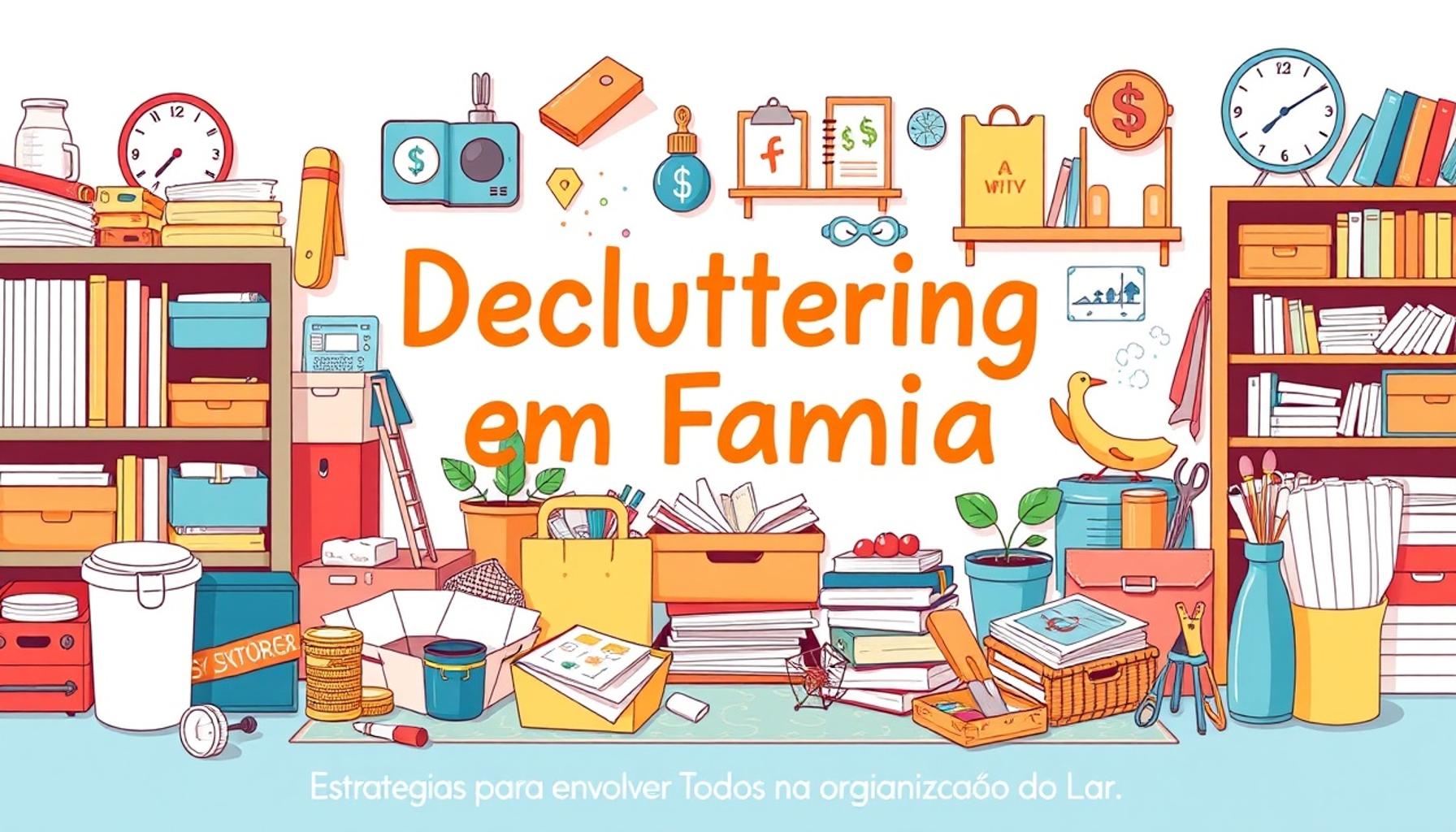
Decluttering can often seem like a daunting task, especially when it involves an entire family. However, engaging every family member turns this overwhelming chore into an enjoyable and collaborative experience. Families across the United States are discovering that decluttering, especially in a household setting, can promote not only cleanliness but also unity and cooperation, making it a valuable life lesson.
By implementing strategic methods, you can foster teamwork while achieving an organized home. Here are some effective strategies to consider:
- Set Clear Goals: Begin by discussing with your family which areas of the house require decluttering the most. This could include spaces like the garage, children’s bedrooms, or even shared areas like the living room. Clearly defining what a successful outcome looks like—whether it’s creating a clutter-free play area or making space for a new family project—helps everyone understand the goal.
- Assign Tasks: Leverage each family member’s strengths and preferences for specific responsibilities. For example, older children might take on the responsibility of sorting through their own rooms, while younger children can help with organizing toys. This tailored approach ensures everyone feels valued and can contribute in ways they enjoy.
- Make It Fun: Incorporate games or challenges to make the process lively and engaging. You might create a timer challenge to see who can sort through a box of items the fastest or turn the task into a scavenger hunt where family members find and showcase things to donate or throw away.
Involving all family members not only helps tackle the mess but also teaches valuable lessons in organization, responsibility, and teamwork. For instance, as children participate in reframing their spaces, they learn crucial skills in decision-making and prioritization, which are assets they will carry into adulthood.
As you embark on this journey, think about the additional benefits:
- Improved Mental Clarity: Numerous studies indicate that a tidy home enhances focus and emotional well-being. Clutter can serve as a distraction, leading to stress. A clean environment fosters a peaceful atmosphere that allows families to function optimally.
- Stronger Family Bonds: Working towards a common goal can strengthen relationships. The shared experience of decluttering provides opportunities for discussions, laughter, and even problem-solving that can fortify familial ties.
- Life Skills: Children learn essential skills that they will carry into adulthood. These skills include how to assess value, the importance of maintaining a clean space, and understanding the impact of consumerism.
The key to successful decluttering is turning it into a family affair, making it a time for bonding rather than just a chore. As you delve into this organized chaos, remember that the journey is as important as the destination. Emblaze your home with memories created during the process, and discover deeper insights and inspired ideas on how to effectively involve everyone in organizing your home, transforming the daunting task into a cherished family activity.
Creating a Family Decluttering Plan
Embarking on a decluttering journey as a family can be a transformative experience that sets the stage for a more organized living space. The first crucial step is developing a structured plan that incorporates input from all family members. This inclusivity not only enhances cooperation but also establishes a sense of ownership among everyone involved.
To kick off the planning process, schedule a family meeting. This allows each member to voice their thoughts and ideas regarding decluttering. Discuss why this initiative is important and how it can positively impact your home life. By communicating openly, you encourage everyone to commit to the process and understand the rationale behind it.
Breaking It Down into Manageable Steps
Rather than overwhelming everyone with the idea of tackling the entire home at once, break down the decluttering process into smaller, more manageable steps. This makes the task less intimidating and allows you to celebrate small victories along the way. Here’s how you can approach this:
- Room-by-Room Strategy: Focus on one room at a time. For instance, start with common areas like the living room or kitchen, where frequent gatherings occur. This way, family members get a sense of immediate achievement, motivating them to continue.
- Set a Time Frame: Allocate specific time slots for each decluttering session. Whether it’s a weekend afternoon or a couple of evenings during the week, having a timeline encourages commitment and helps in setting clear expectations.
- Establish a Decluttering System: Create a system for sorting items—educate family members about “keep,” “donate,” and “discard.” Utilize boxes or bags labeled accordingly, making it easy for everyone to understand where each item belongs.
While decluttering, it’s essential to remind family members that the process is not about perfection, but rather striving for simplicity and order. Encourage open discussions about why certain items might hold sentimental value, and help everyone reflect on their connection to objects as part of a healthy decluttering mindset.
Celebrate Progress Together
After completing each decluttering session, take a moment to celebrate your progress. This could involve a fun family activity, such as a special dinner, a movie night, or even a small treat. Recognizing the efforts put in reinforces positive behavior and motivates family members to continue working toward a well-organized home.
Remember, the essence of decluttering with the family lies in creating a bonding experience. As you work together, not only are you clearing out the clutter, but you’re also reinforcing family values and strengthening relationships. So, gather your family, lay out your plan, and transform your home into a more harmonious space that reflects your collective effort and love.
Fostering Teamwork Among Family Members
When embarking on a decluttering journey as a family, it is essential to foster a sense of teamwork. This collaborative approach can transform an overwhelming task into an enjoyable bonding experience. Start by holding a family meeting where everyone can contribute their ideas and feelings about the current state of the home. This initial discussion allows all family members, from children to adults, to express their thoughts, making them feel valued and included. Involving everyone from the outset sets a positive tone.
Assigning Age-Appropriate Tasks
Assigning tasks based on age and capability not only streamlines the decluttering process but also empowers family members. For younger children, simple tasks such as sorting toys into categories can be both fun and educational. Teenagers can take on more significant responsibilities, such as organizing their own spaces or helping to declutter common areas. This division of labor reinforces the idea that everyone has a role to play in maintaining a tidy home.
Creating Fun Challenges
To energize the decluttering process, consider turning it into a game. Set clear goals, such as who can fill the most donation bags in 30 minutes or who can identify the most items to be thrown away. Keeping the atmosphere light-hearted encourages family members to stay engaged and motivated. You might even reward efforts with a fun family outing or special treat, reinforcing a positive association with decluttering efforts.
Establishing Follow-up Rituals
After the decluttering process, it is crucial to establish follow-up rituals to maintain organization. Schedule regular family decluttering sessions—perhaps monthly or seasonally—to reassess belongings and ensure everyone is adhering to the new organizational systems. Discuss what strategies worked and what needs improvement, fostering a culture of continuous improvement and collaboration. This ongoing dialogue helps to ensure that the commitment to a decluttered home becomes a family value rather than a one-time task.
| Advantages | Benefits |
|---|---|
| Enhanced Communication | Promotes open dialogue among family members, strengthening relationships. |
| Increased Responsibility | Encourages family members to take ownership of their spaces, fostering independence. |
| Improved Time Management | Teaches critical skills in organizing and prioritizing tasks effectively. |
| Reduced Stress Levels | Creates a harmonious environment, minimizing anxiety and enhancing well-being. |
Engaging All Ages: Tailoring Strategies for Family Members
When it comes to decluttering with the family, it’s essential to recognize that each family member may have different preferences, capacities, and emotions tied to their belongings. Tailoring your approach to engage everyone—from children to grandparents—ensures a more enjoyable and productive experience for all. Here are some strategies to consider based on varying age groups:
For Young Children
Involving young children in the decluttering process can be both rewarding and fun. Begin by creating a game-like atmosphere that appeals to their playful nature. Here are a few ideas:
- Treasure Hunt: Turn decluttering into a treasure hunt by encouraging children to find items they no longer use. Offer small rewards or stickers for each item they contribute to the “donate” pile.
- Sorting Challenge: Introduce sorting as a game by using a timer. Challenge them to sort toys into categories (keep, donate, discard) within a set time. This encourages teamwork and excitement.
- Storytime Connection: When discussing why some toys or clothes are no longer needed, connect it to stories or characters they admire. Explain how giving away items can help other children, fostering empathy.
For Teenagers
Teenagers may be more resistant to decluttering, often feeling a strong attachment to their belongings. To engage them constructively, try these approaches:
- Include Them in the Process: Allow teenagers to decide which items they want to keep or donate. This sense of control can make them more willing to participate.
- Digital Decluttering: Many teens will have numerous digital files and photos. Encourage them to clean up electronic spaces by deleting unneeded apps, games, and files. This modern aspect of decluttering can resonate more with them.
- Incentives: Consider offering them a reward for their involvement, such as a new outfit or books they’ve wanted. This can motivate them to contribute without feeling forced.
For Adults and Seniors
Adults and seniors may possess long-held attachments to objects, making decluttering an emotional endeavor. Here’s how to approach this sensitive matter:
- Prioritize Conversations: Engage in meaningful conversations about the items that hold sentimental value. Understanding their stories can provide clarity on what they truly want to keep and help ease the process.
- Set Realistic Goals: Acknowledge that decluttering can be an overwhelming task for them. Setting realistic goals by targeting specific areas over multiple sessions can relieve stress and promote progress.
- Offer Assistance: Sometimes, seniors may need help physically or logistically. Whether it’s lifting boxes or arranging donation pickups, showing willingness to lend a hand can lighten their burden.
Fostering a Supportive Environment
Creating a supportive environment during the decluttering process can significantly enhance family participation. Maintain an open dialogue throughout this experience, allowing for time to express thoughts and feelings about parting with items. Regular family check-ins can also keep morale high, ensuring everyone remains motivated towards a joint goal.
Decluttering with the family isn’t merely a task; it’s an opportunity to strengthen relationships while cultivating a shared vision of a more organized living space. By engaging each family member according to their age and preferences, you can establish a harmonious atmosphere that not only clears the clutter but also enriches familial bonds.
Conclusion: A Collective Journey to a Clutter-Free Home
Decluttering is more than just a means to organize your physical space; it’s an invaluable opportunity for families to bond and collaborate toward a common goal. Involving every family member in the decluttering process—whether they are young children, teenagers, adults, or seniors—can be a transformative experience that strengthens relationships and promotes teamwork.
By tailoring strategies to suit the different needs and emotional attachments of each age group, families can create a supportive and engaging environment. For young children, incorporating games and imaginative stories can make the process enjoyable. Teenagers, with their unique concerns, benefit from a blend of autonomy and digital organization, while adults and seniors may require empathetic discussions to navigate their own sentimental journeys. Ultimately, open communication and a collective commitment to maintaining an organized home are essential.
Moreover, the benefits of decluttering extend beyond just a tidy living space. Studies suggest that an organized home can lead to decreased stress, improved focus, and increased overall well-being. As families work together to clear out unnecessary items, they create not only a physical space that reflects their values and aspirations but also an emotional environment that encourages mindfulness and cooperation.
So, embark on this decluttering journey as a family, equipped with tailored strategies that resonate with each member. It is not just about removing clutter; it’s about forging deeper connections and creating a harmonious home that everyone can enjoy.

Beatriz
Beatriz Johnson is a seasoned minimalist and writer with a passion for simplifying the complexities of personal organization and intentional living. With over a decade of experience in decluttering strategies and mindful consumption, she specializes in topics like space optimization, habit simplification, and sustainable lifestyle choices. Through her work on our website, Beatriz empowers readers to embrace minimalism, reduce mental and physical clutter, and create more meaningful, organized lives in today's fast-paced world.