Decluttering Strategies for Kitchen Spaces: Optimizing Organization in the Heart of the Home
Redefining Your Kitchen Space
A cluttered kitchen can turn cooking into a chaotic experience. Implementing effective decluttering strategies not only enhances the functionality of your kitchen but also revitalizes the atmosphere of your home. Discover the difference that organization can make in the heart of your household.
Why Decluttering is Essential
- Improves efficiency: Easily access your cooking essentials. Imagine opening a cabinet only to be met with a flurry of pots and pans stacked haphazardly. By decluttering, you can create a space where every item has a designated spot, allowing you to find what you need in seconds, whether it’s a frying pan or your favorite spice. Furthermore, studies show that a well-organized kitchen can reduce preparation time, making dinner parties or weeknight meals less stressful.
- Enhances aesthetics: A tidy kitchen is visually appealing. A clean countertop adorned with a small plant or a bowl of fresh fruits not only looks inviting but can also inspire culinary creativity. An organized kitchen can reflect your personal style, whether it’s rustic farmhouse or sleek modern design. Color coordination of kitchen tools and decorative items can transform the overall visual appeal and harmony of the space.
- Reduces stress: A clean space fosters a calm mind. In a world where multitasking is the norm, arriving at a cluttered kitchen can be overwhelming. Research indicates that a tidy environment leads to lower cortisol levels, allowing you to approach meal preparation with enthusiasm rather than dread. It’s all about creating a sanctuary where cooking becomes a pleasurable experience.
Key Strategies to Consider
As you embark on your decluttering journey, keep these essential strategies in mind:
- Sort and categorize: Group similar items together for easy access. For instance, keep baking items like mixing bowls and measuring cups in one drawer, while storing pots and pans in another. This will streamline the cooking process, allowing you to focus on creativity rather than searching for that elusive spatula or whisk.
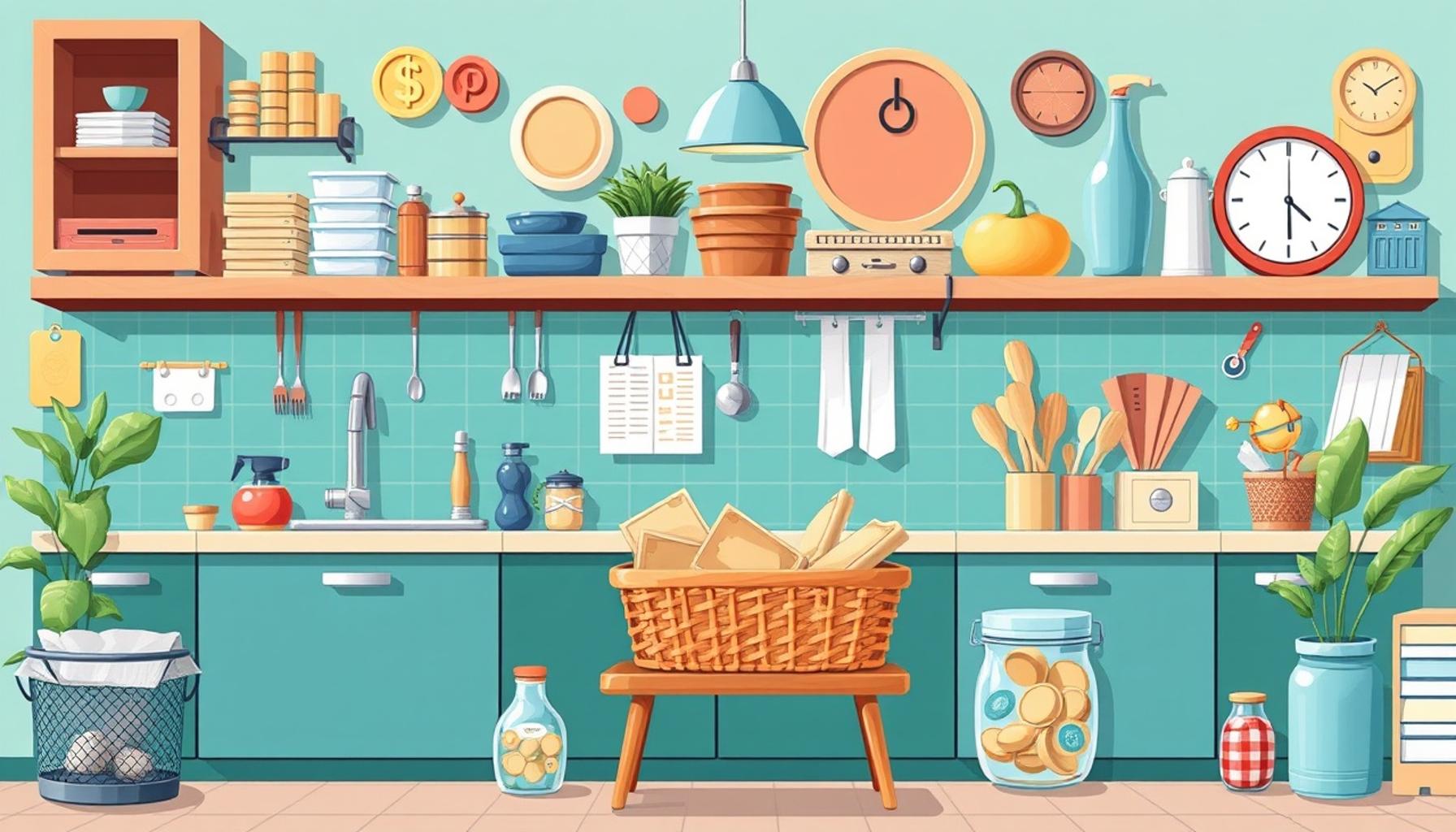
- Maximize vertical space: Use shelves and hooks to utilize wall space. Vertical storage not only saves counter space but also adds an artistic touch to your kitchen. Consider installing floating shelves to display your cookbooks or adding a pegboard to hang utensils – practicality meets style effortlessly.
- Limit duplicates: Keep only what you truly need and love. Kitchen gadgets can easily multiply, leading to overstuffed drawers. Assess each item; if you have three can openers but only use one, it’s time to part with the extras. Embrace a more minimalist approach to free up space and simplify your cooking rituals.
These methods not only optimize the physical layout of your kitchen but also encourage a more organized lifestyle. With a little creativity and planning, your kitchen can shift from a source of chaos to a well-orchestrated area for culinary innovation. The journey toward an organized kitchen is both a practical step and a deeply satisfying endeavor that can fundamentally enhance your relationship with food and cooking.
Strategic Planning for Kitchen Decluttering
To embark on a successful kitchen decluttering mission, it is important to approach the task with a clear plan. Without strategic planning, decluttering can quickly become overwhelming, leading to frustration rather than the desired transformation. Start by visualizing your ideal kitchen space. This mental picture will serve as a guide throughout the decluttering process. Knowing what you want your kitchen to look like can motivate you to take action and make informed decisions about what to keep and what to let go.
Establish a Decluttering Timeline
Creating a timeline can keep you on track and make the process feel more manageable. Break down the task into smaller, achievable segments. For example:
- Week 1: Focus on drawers – tackle utensils and cooking gadgets.
- Week 2: Organize cabinets – sort through dishes, pots, and pans.
- Week 3: Clear the countertops – decide which items should remain accessible.
- Week 4: Evaluate pantry items – check expiration dates and organize food items.
This type of structured approach not only minimizes stress but also provides a sense of accomplishment as each area is completed, motivating you to continue through the entire kitchen.
Utilizing Technology for Organization
In today’s digital age, leveraging technology can vastly enhance your decluttering efforts. Consider employing apps designed for organization that can help you track items and maintain an inventory. For instance, some users find it helpful to photograph their pantry and appliances, categorizing them digitally for easy reference. This not only allows you to see what you own but can also remind you of items you may have forgotten about. Furthermore, smart home devices can assist in setting organizational reminders or alerts when it’s time to evaluate the freshness of stored food.
Prioritize Functional Items
When assessing what to keep in your kitchen, focus on items that serve a functional purpose. Determine the frequency of use for each item. If you haven’t touched a gadget in the past six months, it might be time to part ways. Prioritize essentials that contribute to your daily cooking tasks, and consider donating or selling items that no longer fit your lifestyle. Not only does this decluttering strategy create more space, but it also helps cultivate a kitchen environment that is tailored to your current needs.
Embrace Creative Storage Solutions
As you reorganize your kitchen, exploring innovative storage solutions can be key to maximizing space. Think outside the box by using decorative baskets for grouping smaller items or utilizing under-shelf baskets to create extra storage in cabinets. Magnetic strips can effectively hold spice containers, easily visible and accessible. By incorporating such creative ideas into your kitchen layout, you’ll enhance not only the organization of your cooking space but also its overall aesthetic charm.
In conclusion, implementing these strategic decluttering methods will help transform your kitchen into an organized sanctuary. Creating a timeline, utilizing technology, prioritizing functional items, and adopting creative storage solutions are all essential components of the decluttering process. As you embark on this journey, remember that your kitchen is not just a workspace; it is the heart of your home, where memories are created and shared. Embrace the transformation, and enjoy a kitchen that inspires creativity and joy in every meal you prepare.
Declutter Your Kitchen: Smart Strategies for a Well-Organized Space
When it comes to the heart of the home, the kitchen, effective decluttering is crucial for optimal organization. A well-structured space not only enhances functionality but also contributes to a more enjoyable cooking experience. Let’s delve into innovative strategies that promote a clutter-free kitchen environment.
1. Categorize and Prioritize
Start by categorizing your kitchen items based on their function. Group together similar items such as cooking utensils, baking equipment, and pantry essentials. By doing this, you can easily identify what you use most often and what can go. Consider implementing the one-in-one-out rule; for every new item you bring into the kitchen, an old one should find its way out. This strategy minimizes accumulation and makes space for the essentials.
2. Optimize Storage Solutions
Utilize innovative storage solutions to maximize available space. Pull-out shelves, magnetic strips for knives, and tiered organizers for spices can turn a chaotic cupboard into an orderly haven. Installing vertical dividers for pots or utilizing under-sink space for cleaning supplies are effective ways to keep everything neatly arranged.
3. Regular Maintenance and Seasonal Review
Establish a routine for a quick decluttering session every month. This time can be used to assess items that are seldom used and consider donating or discarding them. Seasonal reviews can also be beneficial; as you prepare holiday meals or gather during special occasions, take inventory of what remains and what is frequently used.
4. Embrace Minimalism
Minimalism in the kitchen is not merely about reducing the number of items; it’s about valuing what you own. Invest in high-quality tools and equipment that serve multiple purposes. A good chef’s knife, for example, can replace several lesser-quality knives, effectively reducing clutter while enhancing your culinary capabilities.
5. Clearly Label Everything
When organizing your pantry and kitchen drawers, adopting a clear labeling system is key. Use bold labels that indicate contents, expiration dates, and suggested uses. This ensures that items don’t get lost in the shuffle, making it easier to find what you need while cooking.Incorporating these decluttering strategies will not just enhance the organization of your kitchen space, but will also transform it into a more enjoyable and efficient environment. Remember, a well-organized kitchen is more than just aesthetic; it directly influences your cooking experience and your overall enjoyment of the heart of your home.
| Category | Advantages |
|---|---|
| Space Optimization | Maximizes the available workspace, creating a fluid cooking environment. |
| Improved Efficiency | Reduces meal prep time by keeping frequently used items within easy reach. |
By integrating these strategies, you not only enhance the utility of your kitchen but also inspire a more organized, stress-free culinary experience. With dedication and wise planning, you’ll reap the benefits of a beautifully decluttered kitchen that serves as the heart of your home.
Maximizing Space Efficiency in the Kitchen
Beyond merely removing excess items, optimizing vertical and horizontal space in your kitchen can significantly enhance both functionality and aesthetics. The kitchen is often the busiest room in the home, and maximizing space efficiency can lead to a more enjoyable cooking experience.
Utilize Vertical Storage
One of the most underutilized areas in kitchens is vertical space. Installing floating shelves can transform bare walls into beautiful storage solutions. These shelves not only provide a place for cookbooks and decorative items but can also accommodate jars of spices or frequently used tools. Additionally, consider floor-to-ceiling cabinets that can house both kitchen equipment and storage solutions for larger items like mixers and appliances. Utilizing the full height of your kitchen prevents clutter and makes everyday items more accessible.
Magnetic Organization Systems
Magnet boards are a clever way to keep essential utensils within arm’s reach while freeing up drawer space. Items such as metal measuring cups, tongs, and even knives can be attached to a magnetic strip mounted on the wall. This not only declutters drawers but also adds an engaging visual element to the kitchen’s design. Moreover, a small magnetic board can hold recipes, grocery lists, or reminders, streamlined for easy viewing while cooking.
Drawer Dividers for Orderly Storage
Installing drawer dividers is an effective way to maintain organization and prevent chaos from reigniting in your kitchen. These dividers can be customized to fit any drawer size and allow you to categorize utensils, cutlery, and even kitchen tools. For example, one section can hold spoons and spatulas while another can store knives safely in a designated area. This small investment contributes significantly to long-term organization, making it easier to locate items when under the pressure of preparing meals.
The Importance of a Decluttering Routine
Just as daily chores keep your home in order, regular kitchen decluttering routines can help maintain your newly optimized space. Allocate time monthly to reassess your inventory and organization. Implementing the “one-in, one-out” rule is a valuable habit; whenever you acquire a new kitchen gadget or appliance, let go of an old one. This helps to prevent clutter from creeping back into your space.
Implement an ‘Everyday Essentials’ Zone
Establishing an area specifically for your daily cooking essentials can further streamline your kitchen operations. Create a designated “everyday essentials” zone on your countertops or in a specific drawer where you store the items you cannot live without, such as your most used pots, pans, or utensils. By having everything you need within a single location, you not only make meal prep easier but also foster a more clutter-free and efficient kitchen environment.
Incorporating these space-maximizing strategies into your kitchen will contribute not just to decluttering but also to enhancing overall usage. From utilizing vertical spaces and magnetic systems to inviting regular maintenance routines, these methods pave the way for an organized kitchen that reflects functionality and ease. With the right strategies at hand, optimizing your kitchen can truly transform it into the heart of the home where creativity flows and meals become a shared joy.
Conclusion: Transforming Your Kitchen into an Organized Oasis
In today’s fast-paced world, the kitchen serves as more than just a cooking area; it is a gathering space where memories are created and shared. Utilizing decluttering strategies is essential for maximizing organization and enhancing the functionality of this vital room. By considering how to effectively use vertical storage and innovative organizational tools, such as magnetic systems and drawer dividers, you can create a kitchen that not only looks appealing but also bolsters efficiency.
The introduction of an ‘everyday essentials’ zone simplifies meal preparation by ensuring that your most frequently used items are always within reach. Implementing a regular decluttering routine reinforces these efforts, preventing the accumulation of clutter and maintaining a serene cooking environment. Adopting the “one-in, one-out” rule further supports this process, promoting mindfulness about what items truly deserve a place in your kitchen.
As you embark on your journey toward an organized kitchen, remember that small changes lead to significant transformations. With each decluttering session, take the time to reflect on how the space functions and what adjustments could enhance your experience. A well-organized kitchen not only streamlines your culinary tasks but also nurtures creativity and joy in the heart of your home. By optimizing organization, you will cultivate a cooking environment that inspires culinary exploration and shared delights.

Beatriz
Beatriz Johnson is a seasoned minimalist and writer with a passion for simplifying the complexities of personal organization and intentional living. With over a decade of experience in decluttering strategies and mindful consumption, she specializes in topics like space optimization, habit simplification, and sustainable lifestyle choices. Through her work on our website, Beatriz empowers readers to embrace minimalism, reduce mental and physical clutter, and create more meaningful, organized lives in today's fast-paced world.