The Impact of Decluttering on Mental Health: How Organization Can Reduce Stress

Understanding the Declutter-Mental Health Connection
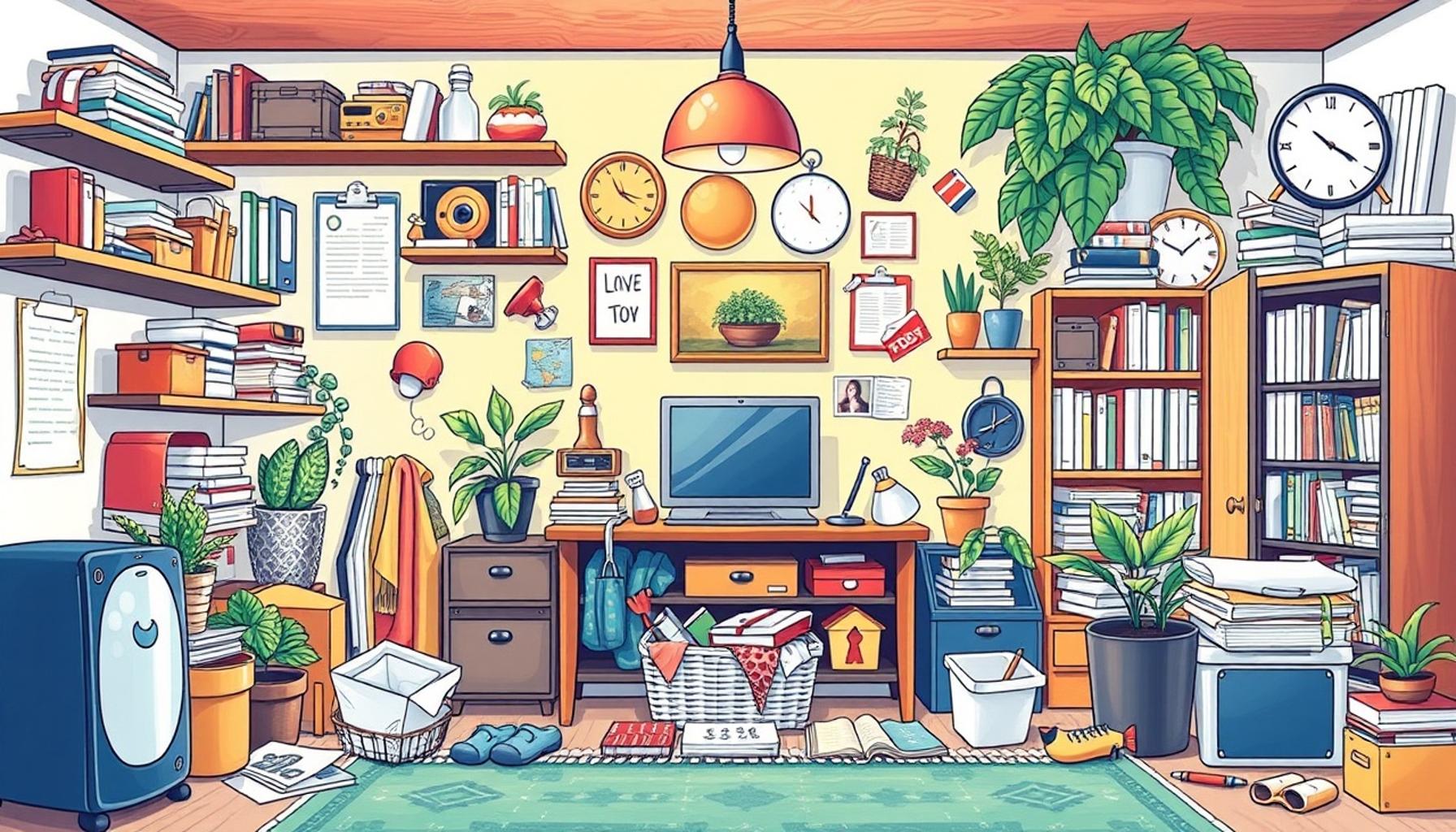
In our modern lives, where the relentless pace often leaves us overwhelmed, the relationship between our surroundings and mental wellness cannot be overlooked. Decluttering, a process traditionally seen as a mundane task, is increasingly recognized as a vital practice that fosters significant improvements in mental health.
Reduced Anxiety
Clutter can act as a visual noise, creating distractions that elevate stress and anxiety levels. Studies show that when environments are cluttered, individuals—especially those who are sensitive to their surroundings—experience a heightened state of distraction. For instance, a 2010 study published in the journal “Personality and Social Psychology Bulletin” found that individuals in tidy spaces scored significantly lower on anxiety measures than those in disorganized environments. This suggests that clearing away the excess can lead to a more serene mindset. A simple act, such as organizing a desk or cleaning out a closet, can yield noticeable benefits. Many individuals report that taking the time to sort through their belongings leads to a profound sense of relief, akin to lifting a heavy weight off their shoulders.
Enhanced Focus
An organized space is conducive to better focus and productivity. Consider the workspace of a college student preparing for exams. A clean desk allows for a clearer mind, enabling enhanced concentration. Research from the Princeton University Neuroscience Institute indicates that clutter competes for your attention, and clearing that clutter results in better focus on the task at hand. By creating a dedicated space for specific activities, whether it’s reading, studying, or working from home, individuals are more likely to engage deeply with their tasks.
Improved Mood
The state of our physical environment can significantly influence our emotional state. A tidy living space often leads to feelings of accomplishment and empowerment. When individuals take control of their space, they also gain a sense of control over their lives. For example, many people who have embraced minimalism report a newfound clarity and satisfaction, as they focus on what truly matters to them rather than being weighed down by unnecessary items. The psychological effects of decluttering extend beyond the immediate gratification of completing a tidying project; they can foster lasting changes in mindset and mood.
The Research Behind It
Research indicates a clear correlation between chaotic environments and elevated cortisol levels, the hormone primarily associated with stress. In contrast, the act of decluttering has been shown to reduce stress responses, promoting a calming effect. This can lead individuals to engage in more positive self-care practices. As more Americans prioritize mental wellness, they are increasingly embracing decluttering as a method to improve their emotional health. Many are turning to organizational strategies, even seeking professional organizers, to guide them through the process. This trend highlights a growing awareness of the mental health benefits that come from reclaiming one’s space.
Ultimately, the journey towards a more peaceful and intentional life may begin with a simple step: decluttering. As individuals explore this intersection between their physical environments and mental health, they tend to discover a path that not only enhances their living spaces but reshapes their outlook on life. Embracing decluttering practices can lead to not just a simpler space but a profoundly fulfilling existence.
The Psychological Benefits of Decluttering
As we delve deeper into the impact of decluttering on mental health, it becomes increasingly clear that our physical spaces profoundly affect our psychological well-being. The act of decluttering is not just about tidying up; it represents an opportunity for personal reflection and mental clarity. With the rise of technology and fast-paced living, many individuals find themselves surrounded by an accumulation of possessions, both physical and digital, that contribute to an overwhelming sense of chaos.
Creating a Sense of Control
One of the foremost psychological impacts of decluttering is the sense of control it brings. Many people feel as though their lives are full of unpredictability, leaving them helpless in the face of external pressures. In response, decluttering provides an avenue for individuals to take charge of at least one aspect of their lives. By methodically going through items and deciding what to keep and what to discard, individuals regain agency over their environment. This practice can lead to a ripple effect throughout other areas of life, enhancing confidence and self-esteem.
Encouraging Mindfulness
Engaging in the decluttering process encourages a state of mindfulness—a present-focused awareness that can significantly impact mental health. Mindfulness has been widely documented for its effectiveness in reducing stress and anxiety, as it prompts individuals to focus on the here and now rather than being inundated with past regrets or future fears. When individuals commit time to organize their spaces, they immerse themselves in the activity, leading to moments of tranquility and reflection. The physical act of sorting belongings requires mental presence, producing a flow state that can facilitate relaxation and clarity.
Decluttering as a Therapeutic Tool
Decluttering has even made its way into therapeutic practices. Psychologists and mental health professionals recognize the value of creating a clean, organized environment as part of treatment for various psychological conditions, such as anxiety and depression. The process often serves as a tangible, actionable step toward achieving broader therapeutic goals. For example, individuals dealing with clutter-related anxiety may benefit from exercises that involve identifying specific areas to declutter, as it transforms an overwhelming task into manageable segments.
Practical Steps for Effective Decluttering
If you’re considering decluttering to improve your mental health, here are some practical steps to guide you:
- Start Small: Tackle one area at a time, such as a drawer or a single closet.
- Set a Timer: Spend a set amount of time cleaning, like 15 minutes, to prevent burnout.
- Establish Criteria: Decide what to keep based on utility or emotional value to you.
- Use the ‘One-Year Rule’: If you haven’t used it in the past year, consider letting it go.
- Donate or Recycle: Be mindful of disposal—donate items that are still in good condition and recycle where possible.
By implementing these steps, individuals can begin to experience the mental health benefits of decluttering firsthand. The journey to a more organized life is not merely about tidiness; it is a pathway that leads to a healthier, more fulfilled existence.
The Benefits of Decluttering
Decluttering goes beyond mere aesthetics; its impact on mental health and overall well-being is profound. As individuals begin to reduce the physical clutter in their lives, they often experience a cognitive relief that can lead to enhanced emotional clarity and focus.
Psychological Freedom
When a space is organized, it fosters a sense of control. This clear environment becomes a symbolic representation of an individual’s mental state. The act of decluttering is akin to creating a mental blank slate, allowing for the release of stored anxiety linked to overwhelming or disorganized surroundings. Research indicates that individuals who engage in periodic decluttering find themselves less distracted and more able to concentrate on important tasks.
Stress Reduction
Organizations like the American Psychological Association suggest that clutter can significantly elevate stress levels. By systematically going through spaces and removing unnecessary items, individuals can lower their cortisol levels, the hormone closely associated with stress. Less clutter means fewer stressors, as it often simplifies daily tasks and minimizes decision fatigue, allowing individuals to direct their energy toward more meaningful pursuits.
Enhanced Mood Through Environment
The relationship between physical spaces and emotional health cannot be understated. An organized environment nurtures a positive mood, correlating with higher productivity rates. Moreover, the simple joy of seeing a clean, orderly space can prompt an immediate emotional boost. The visualization of a serene, uncluttered environment may encourage individuals to maintain these habits, providing long-term benefits to mental health.
Encouraging Mindfulness
Some studies indicate that decluttering activities can encourage mindfulness, as they require individuals to engage actively with their belongings. This heightened awareness opens the door to reflection on personal values and life priorities, which can prompt meaningful life changes beyond the physical space.
| Category 1 | Category 2 |
|---|---|
| Psychological Freedom | Decluttering creates a mental blank slate, enhancing focus and clarity. |
| Stress Reduction | A clean environment lowers cortisol levels and minimizes decision fatigue. |
In conclusion, the journey of embracing organization within one’s life not only transforms the physical environment but also cultivates a healthier mental space. As individuals seek to declutter, they may find themselves on a path to greater emotional resilience and fulfillment. The benefits of decluttering can ripple through various aspects of life, paving the way for enhanced well-being and increased productivity.
The Emotional Release Associated with Decluttering
Beyond the organizational benefits, decluttering offers a profound emotional release that can significantly contribute to mental health. As individuals confront their possessions, they often encounter memories and emotions associated with the items they own. This cathartic process allows for a confrontation with past experiences, offering an opportunity for healing and closure. It’s not uncommon for people to find themselves reflecting on the stories tied to their belongings, leading to an emotional journey that can clear mental clutter, just as tangible clutter is removed.
The Burden of Attachment
Many individuals struggle with the burden of attachment to possessions. Items often embody sentimental value or represent important life milestones. However, holding onto too many possessions can create a sense of obligation and guilt. This emotional weight can be difficult to bear, contributing to feelings of anxiety or sadness. As decluttering liberates individuals from excessive attachment, they often report an enhanced sense of well-being. With less emotional baggage, people may find it easier to focus on the present and cultivate a more positive outlook on life.
Creating Space for Positive Energy
Incorporating decluttering into daily routines helps to create physical and mental space for positive energy. By removing unnecessary items, there is not only a physical transformation but also a psychological shift. Open and organized spaces tend to foster creativity and productivity. Research indicates that less clutter enhances our cognitive flexibility, allowing for improved problem-solving skills. In contrast, disorganized settings can hinder focus and contribute to mental fatigue, creating a cycle of stress that is hard to break.
Clutter as a Stressor
Numerous studies have correlated clutter with increased stress levels, particularly among women. A study conducted at the Princeton University Neuroscience Institute found that clutter can impede a person’s ability to focus, leading to cognitive overload. The cluttered environment sends visual signals that compete for attention and can result in a heightened state of anxiety. Conversely, an organized space can promote calmness and help individuals feel more at ease, leading to enhanced overall mental health.
Setting Intentions and Goals
Decluttering goes hand-in-hand with the practice of setting intentions and goals for one’s life. When a space is free of excess, there is an opportunity to assess what truly matters. By identifying and committing to personal values, individuals can create a clearer vision for their lives. This deliberate focus fosters motivation and a sense of purpose. Embracing minimalism, even in small doses, can encourage more mindful consumption habits and empower individuals to only surround themselves with objects that add genuine value to their lives.
As individuals engage in the process of decluttering, they embark on a transformative journey that redistributes not just physical belongings, but also emotional energy. With every cleared space, they create an environment that supports mental stability and resilience—a vital factor in today’s ever-demanding world. By understanding and harnessing the impact of decluttering on mental health, one can cultivate a lifestyle that embraces simplicity, balance, and emotional well-being.
Conclusion: Harnessing the Benefits of Decluttering for Mental Well-Being
The journey of decluttering transcends mere organization; it serves as a crucial practice for improving mental health and reducing stress. By facing our possessions, we not only engage in a physical clean-up but also navigate through emotional landscapes, liberating ourselves from sentimental attachments that weigh us down. This meticulous process ignites a sense of purpose, allowing individuals to prioritize what truly matters in their lives.
Organizations and mental health professionals have increasingly recognized the correlation between clutter and heightened stress levels, suggesting that a well-structured environment can have a profound impact on one’s psychological state. Research continues to affirm that decluttering can amplify cognitive flexibility and mental clarity, reinforcing the notion that an organized space can foster creativity and productivity.
Furthermore, the practice of setting intentions and goals in a decluttered environment encourages mindfulness, motivating individuals to cultivate a lifestyle that is both intentional and fulfilling. It invites a fresh perspective on consumption, nurturing a focus on quality over quantity in our lives.
As we confront the challenges of modern living, embracing the transformative power of decluttering emerges as an essential tool for achieving emotional resilience and harmony. By choosing to declutter, we can create spaces that not only reflect our values but also promote overall mental well-being. With each item removed, we step closer to fostering a more balanced, purposeful existence. Exploring the benefits of decluttering may very well be the first step towards a healthier mind and a more meaningful life.

Beatriz
Beatriz Johnson is a seasoned minimalist and writer with a passion for simplifying the complexities of personal organization and intentional living. With over a decade of experience in decluttering strategies and mindful consumption, she specializes in topics like space optimization, habit simplification, and sustainable lifestyle choices. Through her work on our website, Beatriz empowers readers to embrace minimalism, reduce mental and physical clutter, and create more meaningful, organized lives in today's fast-paced world.