
Transforming Outdoor Spaces: Minimalist Ideas for Functional Gardens and Balconies
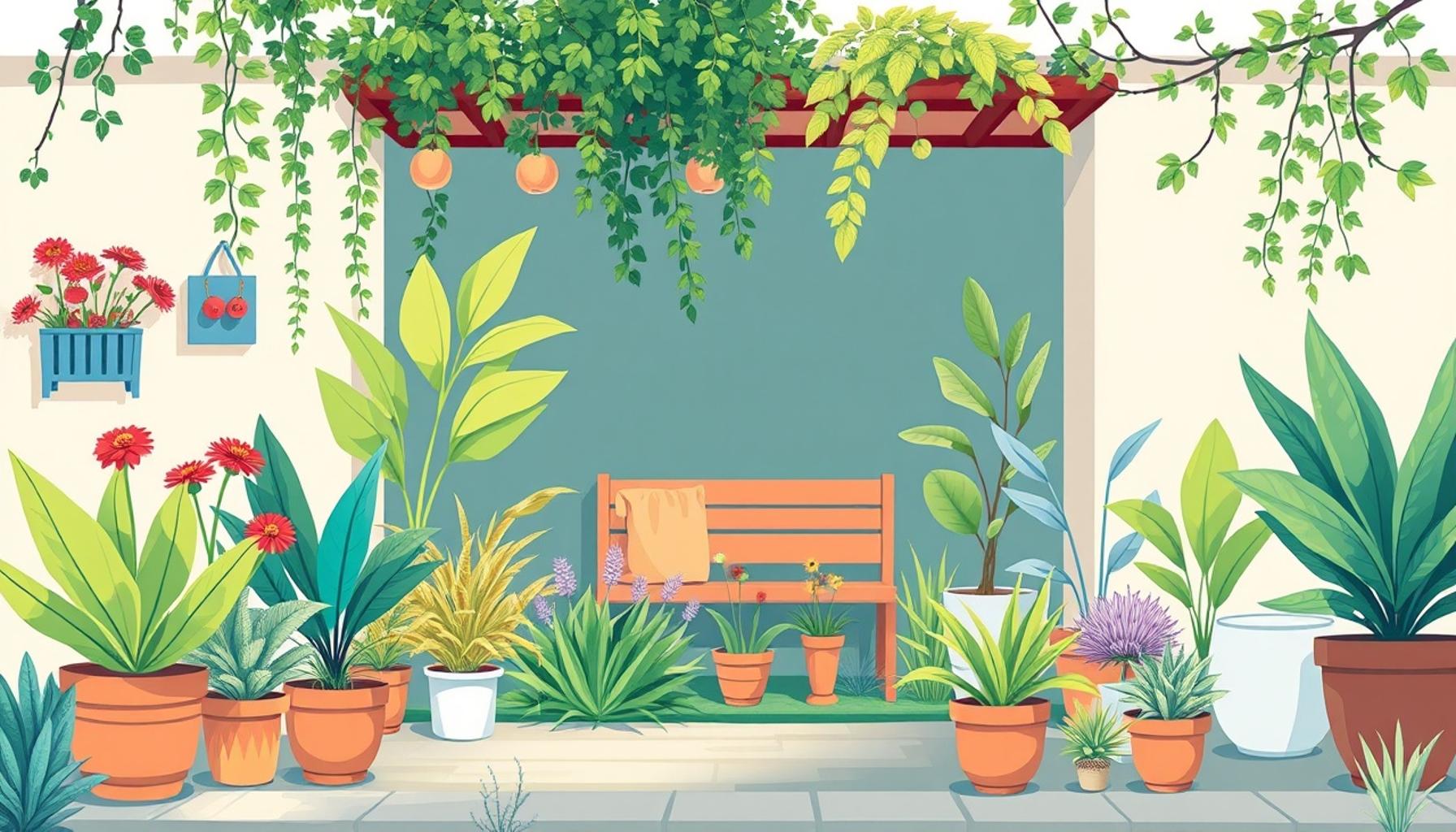
Transform Your Outdoor Spaces with Minimalism
Imagine stepping into an outdoor area that breathes simplicity and elegance. Minimalist design can transform even the smallest gardens and balconies into functional retreats that enhance your lifestyle. This approach not only emphasizes the beauty of simplicity but also promotes a deeper connection with nature, turning your outdoor environment into a peaceful haven.
With a focus on clean lines and strategic layouts, minimalist gardens and balconies can provide:
- Efficient use of space: Making the most of limited areas is crucial, especially in urban settings. For example, vertical gardening can help you utilize wall space for growing plants, while cleverly designed furniture can double as storage, reducing clutter.
- Low maintenance: Simple plant choices that require less upkeep can be ideal for busy lifestyles. Opting for drought-resistant plants like succulents or native flora can create beauty without the burden of constant care.
- Timeless aesthetics: A design that remains stylish over the years means you won’t need to frequently update your outdoor look. Elements such as stone pathways, wooden benches, and monochromatic plant choices provide a classic appeal that transcends trends.
Adopting minimalist principles in outdoor spaces is not just a trend; it’s a way to embrace a more intentional lifestyle. Functionality is a core tenet of this philosophy, where every piece should serve a purpose, reducing clutter and distractions. For instance, instead of filling your balcony with numerous decorative items, think about a single statement piece, like a high-quality steel fire pit that serves both aesthetic and social functions.
Natural materials play a significant role as well. Using wood, stone, and metal not only creates harmony with the environment but also brings a touch of authenticity to your space. Imagine a wooden deck paired with stone planters, providing a tactile contrast that is both inviting and visually appealing.
Color schemes are another element to consider, with neutral palettes evoking peace and tranquility. Shades of white, grey, and beige can create a serene backdrop, allowing the vibrant hues of plants to stand out without overwhelming the senses.
Whether you’re looking to revamp a small balcony in a bustling city apartment or a cozy garden in the suburbs, these minimalist ideas could be your guide. They will not only increase the functionality of your outdoor space but also enhance your overall well-being. By focusing on fewer, high-quality elements, you can cultivate a relaxing outdoor sanctuary that invites contemplation and respite from daily life.
As you embark on this journey of minimalistic design, take the time to consider how your outdoor space can reflect your personal values and lifestyle. Each choice you make can contribute to a more meaningful connection with your surroundings, encouraging you to live intentionally and appreciate the simplicity of nature.
Strategic Design Elements for Minimalist Outdoor Spaces
When it comes to transforming outdoor spaces with minimalist principles, the trick lies in strategic design elements that emphasize function and simplicity. This doesn’t just mean adopting a clean aesthetic—each element you incorporate should serve a clear purpose. By focusing on a few key aspects, you can craft a serene yet functional garden or balcony that resonates with modern living.
First, consider the layout of your space. A well-planned layout can significantly impact the way you interact with your surroundings. Here are some important factors to keep in mind:
- Open Space: Ensure there is enough open space for movement. Avoid overcrowding with excessive plants or furniture. Instead, opt for a few larger plants or minimalist furniture that provides seating without eating into your precious outdoor area.
- Defined Zones: Using defined zones can facilitate a better experience. For example, create a lounging area with a couple of comfortable chairs and a small table, separated from your plant area. This can help in establishing a sense of purpose in different parts of your space.
- Vertical Solutions: In cities where real estate is limited, vertical gardening is a practical way to introduce greenery without compromising floor area. Wall-mounted planters or trellises can boost your plant count while maintaining a clean and minimalist appearance.
Next, the selection of plants can significantly influence the overall atmosphere of your outdoor sanctuary. Choosing plants that not only match your aesthetic but also are easy to maintain will ensure long-term enjoyment. Here are some excellent choices:
- Succulents: With their ability to thrive with minimal water and care, succulents offer a great way to add interest and texture without demanding too much upkeep.
- Native Plants: Opting for native flora can enhance biodiversity while requiring less water and maintenance, aligning perfectly with the minimalist ethos of harmony with nature.
- Herbs: Incorporating culinary herbs like rosemary or thyme not only serves practical cooking purposes but also adds a delightful fragrance and visual appeal to the space.
As you select materials for your outdoor space, consider using eco-friendly options that resonate with a minimalist lifestyle. For instance, reclaimed wood for decking or furnishings can contribute to an inviting rustic charm while promoting sustainability. Additionally, a cohesive color palette featuring neutrals will serve to calm the mind and allow the lush greens of your plants to shine.
Finally, minimalism isn’t just about what you add; it’s equally about what you remove. Clutter can easily detract from the tranquil atmosphere you aim to create. Regularly assess your outdoor items and eliminate those that do not serve a clear purpose. By consciously curating your outdoor space, you’ll foster an inviting atmosphere that encourages relaxation and reflection.
By embracing these minimalist strategies, you can not only transform your outdoor spaces but also cultivate a lifestyle that prioritizes clarity and purpose. Whether you’re gardening in a small balcony or designing a cozy backyard retreat, remember that every thoughtful choice contributes to a serene ambiance.
| Category | Key Features |
|---|---|
| Space Optimization | Maximizing utility in small outdoor areas |
| Aesthetic Appeal | Creating serene environments with minimal design elements |
| Low Maintenance | Use of sustainable materials that require less upkeep |
| Functional Furniture | Innovative designs that enhance usage and comfort |
| Seasonal Versatility | Transforming spaces for various weather conditions |
In the journey of transforming outdoor spaces, focusing on space optimization is crucial. Minimalist designs allow for maximum utility in compact areas, making every inch count. By utilizing vertical gardening or multi-functional furniture, beautiful gardens and balconies can flourish without overwhelming clutter.The aesthetic appeal of minimalism enhances the tranquility of your surroundings, resulting in environments that promote relaxation and enjoyment. It’s essential to consider elements like colors and textures that contribute to a cohesive look while ensuring the space remains inviting.Opting for low maintenance materials not only saves time but also reflects a commitment to sustainability. When these natural materials are integrated thoughtfully, they add to the charm of minimalist design while providing durability.Lastly, functional furniture transforms outdoor spaces into practical extensions of your home. Choosing pieces that serve multiple purposes can significantly improve the experience, inviting leisure and socialization even in smaller outdoor areas. Embrace seasonal versatility to adapt your environment, ensuring it’s always ready for any occasion or weather change.
Functional Features to Enhance Minimalist Outdoor Spaces
Incorporating functional features into your outdoor spaces can elevate the minimalist aesthetic while providing added utility. These elements not only contribute to the overall design but also make the space more enjoyable and usable. Here are a few innovative features that align well with the principles of minimalist gardening and balcony design.
One of the key aspects to consider is the inclusion of multifunctional furniture. Instead of bulky, single-purpose items, look for furniture that can serve multiple roles. For instance, a bench with built-in storage can provide both seating and a place to keep gardening tools or cushions, keeping your space organized and ensuring that it doesn’t feel overcrowded. Folding chairs or collapsible tables are also excellent choices that can be easily stored away when not in use—perfect for those with limited space.
- Modular Planters: These versatile planting solutions can be rearranged as needed, allowing you to change your outdoor layout without significant effort. Modular planters not only simplify plant management but also support your minimalist efforts by acting as visual boundaries for your defined zones.
- Integrated Lighting: Think about including soft LED strip lights or solar-powered lanterns in your design. These fixtures can provide practical illumination for evening gatherings while maintaining a clean and modern look. Solar lights can be especially appealing as they harness natural energy and are easy to install.
With a focus on theme and ambiance, water features can also enhance the sensory experience of your outdoor space. While larger fountains may clutter a small area, consider a small, minimalist water bowl or a simple birdbath. This can promote relaxation through the gentle sound of flowing water or the delightful sight of birds visiting, adding tranquility without overpowering your space.
Additionally, pay attention to your ground surfaces. The right choice can seamlessly tie your entire outdoor aesthetic together. Consider natural stone or concrete for a rugged yet sleek appearance that complements the surrounding greenery. Also, using a consistent material throughout can create an illusion of a more expansive area—a particularly significant advantage for smaller patios and balconies.
For those seeking to integrate technology, incorporating a smart irrigation system can further streamline maintenance without compromising the minimalist vibe. Automated systems can adjust watering schedules based on weather conditions, ensuring your plants remain healthy while empowering you to spend more time enjoying your space rather than laboring in it.
Lastly, don’t underestimate the power of visual harmony in a minimalist garden or balcony. Opt for a limited color palette that centers on earthy tones and muted shades. This approach can create a cohesive aesthetic that feels both calming and deliberately curated. For instance, monochromatic planters or vase collections can draw the eye without overwhelming your senses, ensuring that each piece has prominence without unnecessary confusion.
In embracing these functional features, you can transform your outdoor space into a minimalist oasis that prioritizes both utility and serenity. Your garden or balcony becomes a sanctuary that reflects thoughtful design choices, making each visit a refreshing escape from the hustle and bustle of everyday life.
Conclusion
In summary, the journey of transforming outdoor spaces into minimalist gardens and balconies is not merely about aesthetics; it involves a conscious effort to create multifunctional environments that enhance both utility and tranquility. By embracing functional features such as modular planters, integrated lighting, and multifunctional furniture, you can cultivate spaces that are both serene and practical, regardless of size. These thoughtful choices allow you to maximize the potential of your outdoor areas, making them inviting extensions of your home.
As you embark on designing your minimalist sanctuary, remember the importance of visual harmony. A deliberate color palette, coupled with a strategic selection of materials and furnishings, can create a cohesive look that soothes the senses and promotes relaxation. These are the keys to maintaining an uncluttered feel while ensuring each element serves a purpose.
Moreover, leveraging technology with features such as smart irrigation systems not only simplifies maintenance but also emphasizes your commitment to sustainable living. As you look to the future of your outdoor spaces, consider how these designs can contribute to a lifestyle that appreciates simplicity, functionality, and the natural beauty that surrounds us.
In an era where we often seek refuge from the chaos of urban life, transforming your outdoor spaces into functional yet minimalist retreats provides a unique opportunity to connect with nature while embracing a design philosophy that promotes tranquility. With these ideas in mind, your garden or balcony can truly become a remarkable haven for relaxation and inspiration.

Beatriz
Beatriz Johnson is a seasoned minimalist and writer with a passion for simplifying the complexities of personal organization and intentional living. With over a decade of experience in decluttering strategies and mindful consumption, she specializes in topics like space optimization, habit simplification, and sustainable lifestyle choices. Through her work on our website, Beatriz empowers readers to embrace minimalism, reduce mental and physical clutter, and create more meaningful, organized lives in today's fast-paced world.