Minimalism in the Kitchen: Techniques to Create Functional and Aesthetically Pleasing Spaces
Understanding the Philosophy Behind Kitchen Minimalism
In a society that often prioritizes excess, the philosophy of minimalism offers a refreshing alternative, allowing individuals to focus on what truly matters. The kitchen, often referred to as the heart of the home, is a crucial area where embracing minimalism can significantly impact daily life. By simplifying your kitchen environment, you not only enhance its functionality but also foster a creative atmosphere conducive to cooking and entertaining.
Implementing minimalistic concepts requires a thoughtful approach. Here are some essential elements of a minimalist kitchen that can revolutionize your cooking space:
- Decluttered Surfaces: The disappearance of excess items from the countertop can create an inviting environment. For instance, instead of cluttering your countertop with numerous spices, consider consolidating them into a clear, labeled container that can be placed in a cupboard. This method not only frees up space but also makes it easier to find what you need while cooking.
- Neutral Color Palettes: The colors you choose for your kitchen can set the tone for the entire space. Soft whites, warm grays, and beiges can create a sense of calm. Imagine a kitchen where light colors reflect natural sunlight, making the space feel larger and more open. Painting your cabinets in a pale shade can make a small kitchen feel more airy and less congested.
- Quality over Quantity: It’s easy to accumulate countless kitchen gadgets over time, but focusing on a few high-quality tools can elevate your cooking experience. For example, investing in a stainless steel skillet and a chef’s knife can allow you to perform a range of cooking tasks effectively, eliminating the need for numerous one-use gadgets.
These strategies not only improve the aesthetic appeal of your kitchen but also bring a sense of tranquility that can transform meal preparation into a pleasurable activity. A study conducted by neuroscientists at the University of California, Irvine, found that individuals working in a cluttered environment experienced higher stress levels and distractions. In contrast, an organized kitchen can lead to increased productivity, allowing American homeowners to navigate their culinary tasks more efficiently.
This article delves into specific techniques to create functional and aesthetically pleasing spaces in your kitchen while adopting a minimalist approach. Regardless of whether you live in an urban apartment or a sprawling house, the principles of minimalism can be scaled to fit your space. Join us as we explore practical tips, from maximizing storage solutions to selecting the perfect lighting, cultivating a kitchen that embodies simplicity and elegance.
Maximizing Space Through Efficient Organization
One of the core principles of minimalism in the kitchen lies in achieving maximum efficiency with the available space. A well-organized kitchen not only looks better but also enhances your cooking experience, making it easier to find what you need when you need it. The phrase “out of sight, out of mind” applies here; by utilizing clever storage solutions, you can keep your kitchen essentials close at hand yet neatly tucked away.
To start, consider implementing the following storage solutions that promote a minimalist lifestyle:
- Vertical Storage: Shelving units, wall-mounted racks, and hanging pot organizers can greatly increase storage while occupying minimal floor space. Use the walls to store frequently used items like pots and pans, allowing for easy access while freeing up your countertops.
- Deep Drawers: Opt for deep, pull-out drawers in place of traditional cabinets. These drawers can accommodate larger items such as mixing bowls and baking sheets, making them easy to reach without the need to dig through cluttered cabinets.
- Magnetic Strips: Magnetic strips, typically used for knives, can also hold spice containers or utensils, addressing the dual need for functionality and aesthetics. This method not only saves space but also transforms your kitchen into a chic, organized environment.
- Multi-functional Furniture: If you have room for it, consider furniture that serves dual purposes, such as an island with storage underneath or benches that double as storage spaces. This clever use of furniture is essential in a minimalist kitchen.
In addition to physical organization, the layout of your kitchen significantly influences its functionality. The “work triangle” concept—where the stove, sink, and refrigerator are strategically positioned for optimal workflow—can make your cooking experience seamless. According to the National Kitchen and Bath Association, most kitchen designs adhere to this triangle, ensuring that users can move freely between the essential cooking zones.
Beyond maximizing space and organization, creating a visually appealing kitchen environment is essential to the minimalist ethos. Achieving harmony through thoughtful design involves selecting materials and finishes that complement your vision.
Incorporating natural elements such as wood or stone can add warmth, while sleek metal finishes may convey a modern aesthetic. Selecting timeless fixtures and cabinetry reduces the risk of dated looks, allowing your kitchen to thrive in both form and function.
Ultimately, the marriage between efficient organization and aesthetic appeal is what brings a minimalist kitchen to life. As you delve deeper into minimizing clutter and maximizing elements that truly matter, you will cultivate a kitchen space that not only serves you well but also reflects a curated lifestyle that prioritizes quality and elegance.
Embracing Minimalism: Strategies to Transform Your Kitchen
As we delve deeper into minimalism in the kitchen, it’s essential to explore various strategies that not only enhance functionality but also elevate the aesthetic appeal of this central space in the home. The goal is to create a kitchen that speaks to simplicity, elegance, and practicality.
| Category | Key Features |
|---|---|
| Decluttering | Removing unnecessary items creates a serene atmosphere and improves functionality. |
| Color Palette | Utilizing a cohesive and neutral color scheme enhances visual harmony. |
Implementing a decluttering process in your kitchen allows for a focus on essentials. Each item, from appliances to utensils, should have a purpose. This not only promotes efficiency but also aligns with the minimalist philosophy of making space for what truly matters. Striving for less results in more; more order and less chaos.
The choice of a unified color palette is another technique that can reflect the principles of minimalism. Opt for soft neutrals or monochromatic schemes to foster a sense of tranquility. Color can significantly affect mood and perception, leading to a more inviting atmosphere.
Another technique worth exploring is strategic lighting. A well-lit kitchen, with natural light and carefully placed fixtures, can create an openness that invites you to enjoy the space. Consider under-cabinet lights to illuminate work areas while providing an ambient glow that enhances the overall atmosphere.
Through these thoughtful techniques, you can cultivate a functional and aesthetically pleasing kitchen that embodies the core of minimalism. With each step, you carve a path toward a space that is not only practical but also resonates with your personal style, promoting a lifestyle of balance and intention.
Choosing the Right Color Palette for a Calm Atmosphere
Selecting an appropriate color palette is integral to establishing a minimalistic kitchen that conveys tranquility and elegance. The colors you choose not only reflect your style but also influence the perceived size and openness of the space. Soft, muted tones tend to create a serene environment, while bright colors can be overwhelming in smaller kitchens.
Neutral shades such as whites, grays, and beiges provide a versatile backdrop, allowing your chosen design elements to take center stage. These colors reflect natural light, making the kitchen feel more expansive. For those wishing to add a touch of personality without compromising the minimalist aesthetic, consider subtle accent colors on one wall or through accessories such as dishware or artwork. Paint or backer board can also transform the ambiance, but be judicious. Too many competing hues can detract from the minimalist vision.
Thoughtful Lighting: A Key to Open Spaces
Lighting is often an overlooked element in kitchen design. However, the right combination of ambient, task, and accent lighting can enhance both functionality and beauty in a minimalist setting. Bright, well-placed lighting allows you to maximize visibility in work areas while adding warmth to living spaces.
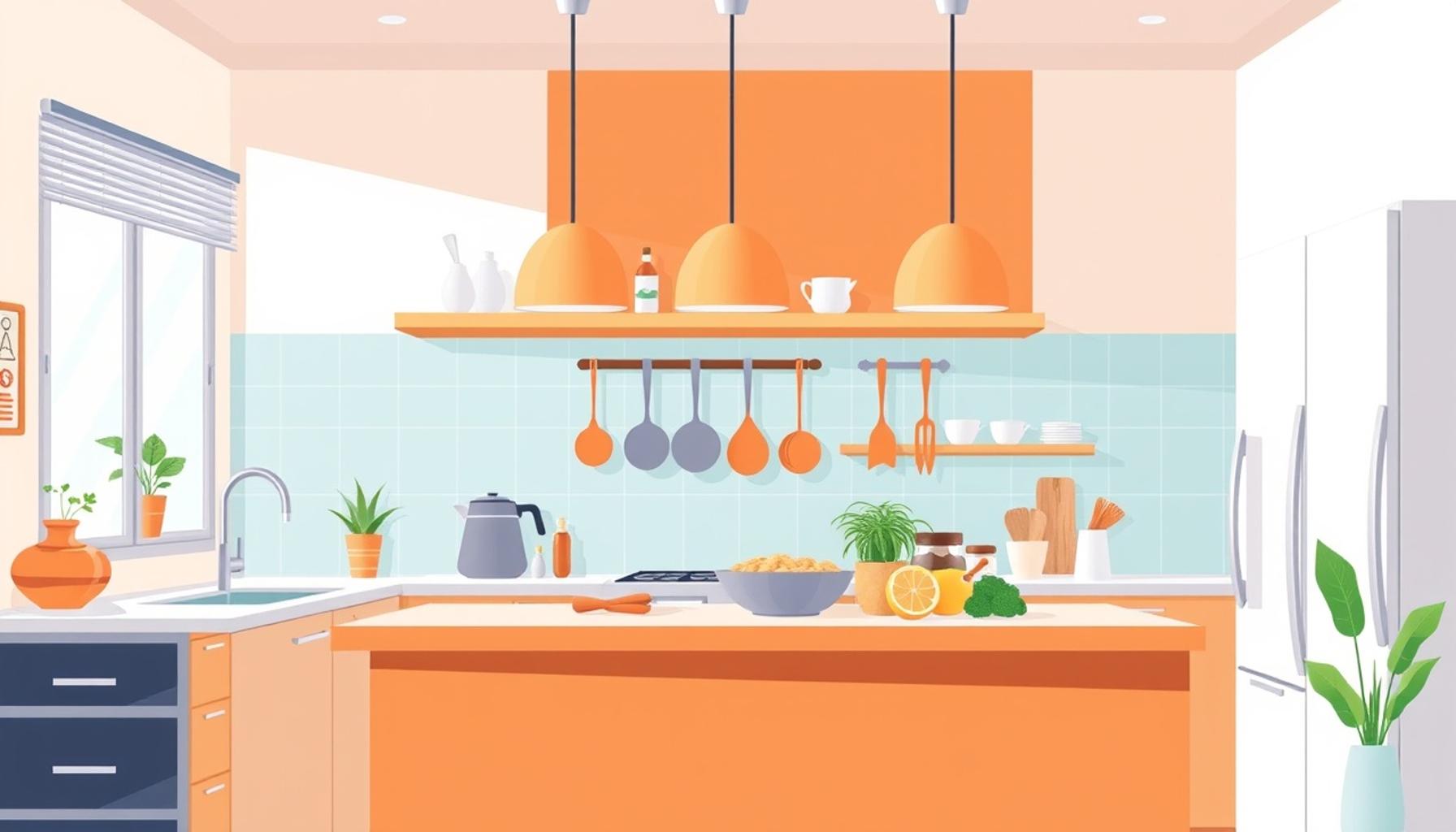
Consider under-cabinet lights that illuminate countertops without contributing clutter, and pendant lights over islands or dining areas can act as statement pieces without overwhelming the space. LED fixtures are not only energy-efficient but also come in various sleek designs that meld seamlessly with a minimalist kitchen aesthetic.
Natural light should also be maximized wherever possible. If you have windows, keep window treatments simple and unobtrusive. Sheer curtains allow light to penetrate while maintaining privacy, contributing to a more airy feel that aligns perfectly with minimalist ideals.
Curating a Functional and Minimalist Inventory
Decluttering is a pivotal step in achieving minimalism. Assess your kitchen possessions with a discerning eye: which items do you genuinely use regularly, and which are simply taking up space? A practical inventory strategy includes grouping similar items together and eliminating duplicates. Keep only essential tools like a chef’s knife, a cutting board, a few pots and pans, and your most-loved gadgets.
- Limit your dishware: A set of everyday dinner plates, glasses, and bowls will suffice for most households. Remember, the idea is to choose a collection that can suit various occasions.
- Donate or sell excess items: If you find items that are in good condition but no longer serve you, consider giving them a second life through donation or selling them online.
- Establish a no-clutter zone: Designate a specific area on your countertop for essential everyday tools only. This approach curtails distractions and generates a more calming workspace.
By thoughtfully curating what remains in your kitchen, you foster a sense of tranquility and purpose in the space. Each item should embody the principles of utility and elegance, resonating harmoniously with a minimalist aesthetic.
The collaboration of color, lighting, and inventory unites to represent the paradigm shift towards a simpler, more intentional kitchen environment, ultimately leading to a more fulfilling cooking experience and an overall enriched lifestyle.
Embracing the Minimalist Kitchen: A Pathway to Clarity and Functionality
In conclusion, the journey towards achieving a minimalist kitchen is an inviting and transformative process that cultivates both functionality and aesthetic appeal. Through the thoughtful selection of a harmonious color palette, you can create a calming atmosphere that sets the tone for your culinary adventures. Coupled with strategic lighting choices, the kitchen can become a place that exudes warmth and welcomes creativity, enhancing not only your cooking experience but your overall lifestyle.
Moreover, by embracing a minimalistic approach to your kitchen inventory, you foster a sense of purpose, ensuring that every tool and item has its place and function. This process of decluttering is not merely about removing excess but rather about making intentional choices that reflect your unique needs and style. As you curate your kitchen’s contents, each selected piece should resonate with the principles of utility and elegance, reinforcing the aesthetic vision you aim to create.
As a final thought, embracing minimalism in the kitchen is a reflection of broader lifestyle values—a movement towards simplicity, intention, and clarity in our daily lives. By incorporating these techniques, you not only streamline your cooking space but also enrich your culinary experiences. Ultimately, the minimalist kitchen is not just a trend; it is an invitation to rediscover joy in your everyday tasks and the environment you create around them.

Beatriz
Beatriz Johnson is a seasoned minimalist and writer with a passion for simplifying the complexities of personal organization and intentional living. With over a decade of experience in decluttering strategies and mindful consumption, she specializes in topics like space optimization, habit simplification, and sustainable lifestyle choices. Through her work on our website, Beatriz empowers readers to embrace minimalism, reduce mental and physical clutter, and create more meaningful, organized lives in today's fast-paced world.