Multifunctional Spaces: Minimalism as a Solution for Versatile Environments
In today’s fast-paced urban environment, where space often comes at a premium, the concept of multifunctional spaces has emerged as a solution to enhance both functionality and design. The trend is particularly pronounced in bustling metropolitan areas like New York City and San Francisco, where homeowners face unique challenges in maximizing their living areas. This transformation goes beyond mere aesthetics, influencing residential, commercial, and recreational spaces alike.
Key Features of Multifunctional Spaces
- Adaptability: A hallmark of modern living is flexibility. Many contemporary designs incorporate movable furniture and multifunctional components, allowing spaces to evolve with the needs of the occupants. For instance, a dining room can easily transition into a home office or a guest room with cleverly designed foldable tables and Murphy beds, catering to various occasions without compromising style.
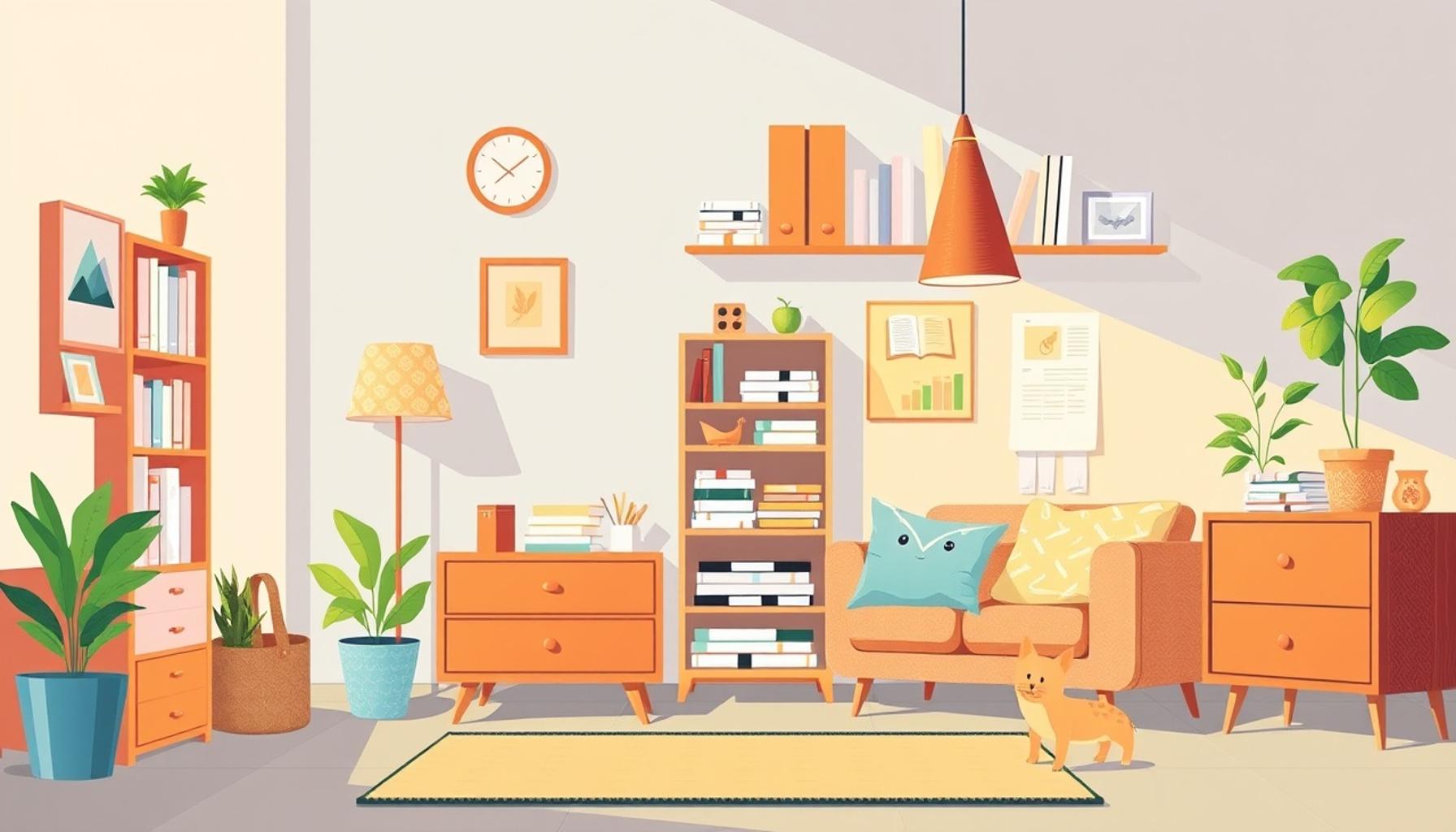
- Minimalism: Embracing minimalism is fundamental in creating multifunctional spaces by prioritizing essential furnishings and decor. This design approach emphasizes clean lines, muted palettes, and the absence of excess. For example, wall-mounted storage solutions can help reduce floor clutter while also serving as decorative elements, enhancing the overall flow and perception of space.
- Technology Integration: The rise of smart home technology has significantly impacted the efficiency of multifunctional environments. Innovations like app-controlled lighting and HVAC systems allow users to adjust the ambiance of a room with ease. Additionally, devices like multi-functional printers and ergonomic desks designed for both work and leisure can further streamline daily activities.
Choosing a minimalistic lifestyle transcends simply clearing out clutter; it’s a comprehensive shift in mindset. By integrating sustainable practices and innovative design elements, homeowners can reap several advantages. Minimalism not only promotes increased space perception, giving the illusion of a larger area, but also enhances organization and ease of maintenance. Furthermore, a well-curated space exudes aesthetic appeal, fostering an environment that promotes tranquility and creativity.
As urban living continues to evolve, exploring these emerging trends reveals essential insights into how we can reimagine our spaces. The interplay between functionality and aesthetics in multifunctional design not only meets the demands of modern life but also invites a deeper investigation into the synergy between our environment and lifestyle choices. With thoughtful integration of these principles, we can create personal havens that offer both comfort and efficiency, making the most of our limited square footage.
The Power of Adaptability in Modern Design
As urban dwellers increasingly navigate the delicate balance between limited space and the need for functionality, adaptability emerges as a vital characteristic of multifunctional spaces. This dynamic approach to design allows environments to shift seamlessly between various uses, ensuring that every square foot counts. For individuals and families in cities where each room must serve multiple purposes, the integration of adaptable furniture and versatile layouts has become not just an option but a necessity.
Consider the common challenges faced by city residents: a cramped apartment may serve as a living room, guest bedroom, and work-from-home office all in one. By implementing innovative solutions, homeowners can transform even the most compact spaces into efficient havens. Some examples of these solutions include:
- Convertible furniture: Pieces that can serve multiple functions, such as a sofa that transforms into a bed or a coffee table that rises to dining height, allow spaces to reconfigure themselves based on need.
- Wall partitions: Folding or sliding partitions can create temporary barriers for privacy or isolation without committing to permanent changes in a room’s layout.
- Modular shelving: Flexible shelving systems can be customized to varying heights and arrangements, accommodating different items while remaining stylish and open.
The essence of minimalism lies in this embrace of functionality. By focusing on essential elements and forsaking the unnecessary, individuals can cultivate spaces that breathe with potential rather than clutter. In practice, this might mean opting for a single, high-quality piece of artwork that captures attention rather than filling walls with multiple decorations. It also means choosing furniture that doubles as storage, like ottomans that open up for organizing books or blankets, effortlessly maintaining an uncluttered appearance.
Enhancing Efficiency Through Technology
The incorporation of technology into multifunctional spaces is another key element that enhances efficiency and promotes a minimalistic lifestyle. Smart home devices, such as app-controlled lighting and programmable thermostats, contribute significantly to creating a comfortable ambiance without the need for excessive gadgets. Users can adjust settings remotely, ensuring a home is always welcoming while also conserving energy.
Moreover, technological advancements support multifunctionality in non-traditional ways. For example, a multi-functional workspace might include a standing desk that not only serves for productivity but also integrates built-in wireless charging stations. This arrangement eliminates the clutter of wires and excess equipment, reinforcing the minimalist aesthetic while functional demands are met.
Ultimately, the journey towards multifunctional spaces through minimalism is not just about adopting trends; it’s about fostering a mindset that prioritizes quality and thoughtful design. With the right elements in place, even the most constrained environments can transform into versatile living areas that enhance both the style and functionality of our lives, proving that less truly can be more.
As the demand for adaptable environments grows, minimalism emerges as a pivotal design philosophy that addresses diverse needs within multifunctional spaces. The charm of minimalist design lies in its ability to simplify structures and decor, allowing for easy transitions between various activities. For instance, a single room can serve as both a workspace during the day and a cozy living area at night, free of clutter and distractions. This fluidity is essential in urban settings where square footage is often limited.
Moreover, by utilizing modular furniture, inhabitants can personalize their spaces to fit changing demands. Items like foldable tables, multifunctional couches, and movable partitions provide the flexibility needed in environments that serve multiple functions. Such designs not only promote efficiency but also emphasize the need for conscious consumption, encouraging residents to invest in fewer, high-quality pieces rather than numerous disposable items.
Another significant advantage of minimalism in multifunctional spaces is its impact on mental well-being. A decluttered environment can reduce stress and foster a sense of calm. The minimalist aesthetic, characterized by clean lines and open areas, creates a peaceful atmosphere that is conducive to productivity and relaxation alike. In this way, minimalism acts as a solution not only for practical needs but also for emotional and psychological health.
As we delve deeper into designing these versatile environments, it becomes clear that minimalism serves as an effective framework. It encourages us to rethink our relationship with our living and working spaces, enabling us to maximize functionality while preserving beauty and simplicity.
The Role of Nature in Multifunctional Spaces
Another crucial element that contributes to the appeal of multifunctional spaces is the integration of nature. Biophilic design, which seeks to connect occupants to the natural environment, has gained prevalence in urban settings due to its numerous psychological and aesthetic benefits. By incorporating plants, natural light, and earthy color palettes, homeowners create environments that enhance well-being while still maintaining the minimalist ethos.
Bringing nature indoors can be as simple as adding potted plants or creating a living wall using modular planters. These not only serve as beautiful decor but also improve air quality, which is particularly beneficial in urban areas where pollutants are more common. For example, indoor plants like pothos and snake plants are low-maintenance options that thrive in apartment settings, merging aesthetics with functionality.
Natural light is another vital component of multifunctional spaces. By utilizing open floor plans and large windows, designers can flood a space with sunlight, creating an inviting atmosphere that minimizes the need for artificial lighting. This aspect can be further augmented by employing reflective surfaces, such as mirrors or glossy finishes, which amplify light and make smaller living areas feel more spacious.
Community and Collaborative Spaces
As the demand for remote work increases, so does the significance of integrating collaborative spaces into residential designs. Multifunctional areas can easily adapt to facilitate community activities, from home-based workshops to book clubs. Designers can achieve this by incorporating movable furniture that allows rooms to shift from private to communal in an instant.
Moreover, some neighborhoods are embracing this trend by transforming shared spaces in residential complexes into vibrant hubs for residents. These can serve as coworking spaces that can be reconfigured into areas for social gatherings or educational events. The ability to host a variety of functions not only fosters a sense of community but minimizes the need for additional personal space, reinforcing the principles of minimalism.
Flexibility continues to be a cornerstone of modern living, with innovative designs emerging to address the evolving nature of space requirements. For example, a dining area might also function as a meeting space, supported by retractable tables and stackable chairs that can be stored away when not in use. Such designs encourage a sense of resourcefulness and shared living, which aligns perfectly with the minimalist focus on maximizing utility.
Innovative Design Solutions
Engagement with technology does not end with smart home devices; it extends to multifaceted design solutions that optimize space. For instance, innovative room finishes can include built-in furniture options, wall-mounted desks, or foldable beds that enable swift transitions between functionalities. Many companies now specialize in designing custom solutions that cater to urban living, ensuring that residents can tailor their spaces to meet their individual lifestyle needs.
Furthermore, sustainable practices are increasingly intertwined with minimalist living, making eco-friendly materials and energy-efficient systems more accessible and desirable. The growing awareness of environmental impact has encouraged homeowners to seek sustainable sources for furniture and decor. Reclaimed wood, for instance, can add character to a living space while promoting a minimalist, less wasteful lifestyle.
Ultimately, the universe of multifunctional spaces continues to expand, reflecting a modern desire for environments that are as adaptable as the lives of those who inhabit them. By harmonizing aesthetics, function, and a connection to nature, residents can cultivate versatile spaces that not only look good but feel good, too—embodying the true spirit of minimalism.
Conclusion: Embracing the Future of Multifunctional Spaces
As we navigate an era characterized by rapid changes in lifestyle and priorities, multifunctional spaces emerge as a pivotal solution addressing the complexities of modern living. The seamless blend of functionality and beauty, underpinned by the principles of minimalism, enables us to create versatile environments that respond to diverse needs, from remote work to family gatherings. By simplifying designs and incorporating elements of nature, such as plants and natural light, we cultivate spaces that not only enhance well-being but also foster a deeper connection to our surroundings.
Moreover, the incorporation of collaborative spaces reflects a shift towards community-oriented living, where shared experiences become integral to our daily routines. This adaptability extends beyond architecture, resonating with a growing societal emphasis on sustainability and resourcefulness. By utilizing innovative design solutions—such as movable furniture and eco-friendly materials—residents can transform their homes into dynamic environments that reflect their values while reducing their ecological footprint.
Create spaces that serve multiple roles; consider the impact they have on your lifestyle and interactions. Investing in multifunctional spaces is not merely a trend; it is a conscious choice towards a more intentional, fulfilling way of living. As we embrace this evolution, we invite a future where our environments enrich our daily experiences, harmonizing comfort, sustainability, and aesthetic appeal. Dive deeper into the possibilities of minimalism and discover how it can shape your living environment into a sanctuary of versatility.

Beatriz
Beatriz Johnson is a seasoned minimalist and writer with a passion for simplifying the complexities of personal organization and intentional living. With over a decade of experience in decluttering strategies and mindful consumption, she specializes in topics like space optimization, habit simplification, and sustainable lifestyle choices. Through her work on our website, Beatriz empowers readers to embrace minimalism, reduce mental and physical clutter, and create more meaningful, organized lives in today's fast-paced world.