Multifunctional Spaces: Decluttering Techniques to Maximize Small Environments
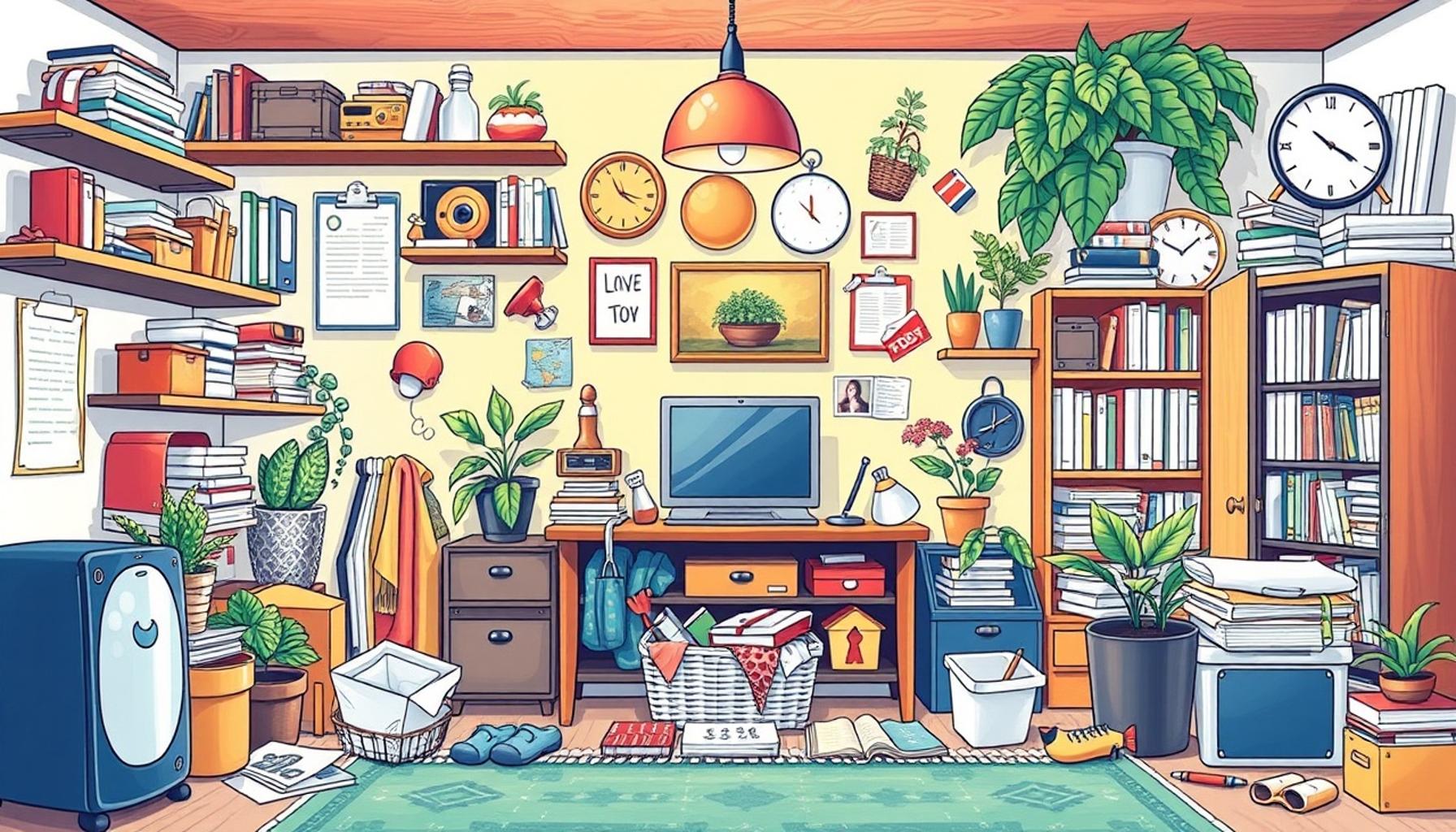
As urbanization continues to reshape the landscape of American cities, many individuals and families are finding themselves living in smaller, more compact spaces. The surge in housing costs means that maximizing multifunctional spaces is no longer just a luxury; it has become a necessity for many. This challenge invites innovation and creativity in how we can use our homes more efficiently.
The Dilemma of Small Living
Living in tight quarters can often lead to a feeling of confinement, where overcrowding results in not only physical discomfort but also mental strain. The need for effective decluttering techniques becomes essential for cultivating a livable environment. Confronting the clutter can make the difference between a stressful atmosphere and a serene sanctuary.
Here are some highly effective strategies that can transform your small space:
- Prioritize necessities: This means being conscious about what you allow into your space. Ask yourself if each item adds value to your life, or if it simply takes up space. For instance, consider donating clothing you haven’t worn in over a year.
- Utilize vertical space: Walls can be an underused resource. Installing shelves is a fantastic way to store books, plants, or decorative items without sacrificing floor space. Additionally, hanging organizers can keep small items out of the way while remaining accessible.
- Think dual-purpose: Pieces of furniture that serve dual roles, such as a sofa bed for guests or an ottoman with storage inside, are invaluable. These items can dramatically reduce clutter while accommodating various needs.
The Benefits of Decluttering
Embracing a minimalist lifestyle by eliminating excess not only creates a more inviting environment but also enhances overall functionality. The benefits of a well-organized living space are manifold:
- Increased productivity: A tidy, distraction-free space fosters focus and creativity. This can be particularly beneficial for those who work from home or pursue hobbies in their living spaces.
- Improved mood: Studies consistently show that less clutter can lead to reduced feelings of stress and anxiety. A clean, organized space calms the mind and instills a sense of control.
- Better organization: With a decluttered environment, finding what you need becomes easier. This not only saves time but can also prevent the unnecessary purchase of duplicate items.
By implementing these strategies, you can transform your small living area into a spacious, calming haven. As we continue to explore effective techniques for creating multifunctional spaces, consider how your home can be both a reflection of your lifestyle and a practical environment that meets your everyday needs. These changes may seem small but can significantly enhance your quality of life in an increasingly crowded world.
Mastering the Art of Space Efficiency
As the trend of downsizing gains momentum, the ability to create multifunctional spaces has never been more crucial. In urban environments such as New York City or San Francisco, where every square foot counts, applying effective decluttering techniques allows residents to transform their small living areas into dynamic hubs of productivity and relaxation. Understanding how to maximize limited space can drastically improve the quality of life and functionality in a home.
Successful decluttering goes beyond just tossing unwanted items; it involves a strategic approach that fosters a sense of order and purpose. Here are some techniques tailored for small environments that can help elevate your living experience:
- Segment your space: Designate areas for different activities. For example, set aside a corner of your living room as a workspace with a compact desk and chair. This not only helps to create an organized environment but also encourages a clear separation of duties, minimizing distraction when shifting from work to leisure.
- Incorporate smart storage solutions: Invest in furniture that doubles as storage. Beds with drawers, coffee tables with hidden compartments, and console tables with shelves can significantly cut down on visible clutter. This strategy allows you to maintain an aesthetically pleasing setting without sacrificing storage needs.
- Embrace a seasonal rotation: For items like clothing and decorations, consider a seasonal rotation approach. By storing off-season items in containers or under the bed, you can keep what is necessary accessible while minimizing visual noise from unused belongings.
Rethinking Your Habits
In working toward decluttering, it’s essential to reassess not only what you own but also your relationship with these items. The practice of mindfulness can play an invaluable role in this process. By focusing on the emotional significance of objects, you may find that many possessions are merely occupying mental and physical space without serving a purpose. Here are a few habit shifts to consider:
- One in, one out: For every new item you bring into your home, make it a rule to let go of an existing one. This simple strategy keeps your space from overflowing and prompts conscious decision-making about purchases.
- Time to declutter: Schedule regular intervals to review your belongings. Setting aside a weekend every few months to reassess your environment can prevent accumulation and help you stay engaged with what you truly need.
- Go digital: For items like books, documents, or photos, digitizing can significantly free up physical space. E-readers, cloud storage, and photo digitizing apps can streamline your collection while preserving important memories and information.
As you implement these strategies, it will soon become clear that the potential for a more organized and efficient living space lies within. The key is to embrace the notion of multifunctional spaces and approach decluttering as a continual journey rather than a one-time task. In doing so, your home will not only reflect your unique personality but also optimize your day-to-day activities.
Creating Harmony in Small Spaces
In the world of multifunctional spaces, harmony plays a crucial role. By harmonizing design features with decluttering techniques, individuals can create environments that feel open and inviting rather than cramped and chaotic. One effective method to achieve this is by implementing minimalist design principles. This involves selecting essential furniture that serves multiple purposes, such as a sofa that also functions as a bed or a coffee table that doubles as storage. The right furniture placement can also enhance the flow of a space, allowing for easy movement while allowing each piece to shine.
Another technique involves the use of vertical storage solutions. By maximizing vertical space—think wall-mounted shelves or tall cabinets—homeowners can reclaim floor space that would otherwise be occupied by large furniture pieces. This approach allows for better organization while maintaining a visually appealing aesthetic. Integrating aesthetics with function, you can incorporate decorative boxes or baskets to hide away less appealing items, blending style with practicality.
Mindful Purchasing Decisions
One of the most effective decluttering techniques is developing a mindful purchasing strategy. When investing in new items, ask yourself, “Does this serve a purpose?” or “Will this enhance my living space?” This is particularly important in small environments where every inch counts. Adopting the one-in-one-out rule can also help maintain balance. For every new item brought into the space, consider removing an existing piece. This practice not only curbs the accumulation of clutter but also ensures that each item has a designated place and purpose.
Emphasizing functionality over aesthetics is essential in small homes and apartments. Choosing items that cater to your lifestyle—think collapsible chairs for gatherings or foldable tables for dining—fosters an adaptable environment. Such choices provide flexibility and can easily transform a space for different needs, illustrating the quintessence of multifunctional design. Remember, the goal is to create a living environment that feels spacious, organized, and reflective of your personal style while accommodating daily activities without the weight of unnecessary possessions.
| Category | Advantages |
|---|---|
| Minimalist Design | Creates an open feel while eliminating clutter. |
| Multi-Purpose Furniture | Saves space and adds functionality to small areas. |
| Vertical Storage | Utilizes wall space to reduce visible clutter. |
With these techniques at your disposal, navigating the world of multifunctional spaces becomes an adventurous journey toward a well-organized living environment.
Transforming Spaces with Innovative Design
To truly master the art of creating multifunctional spaces, it’s essential to leverage innovative design solutions that enhance both functionality and aesthetic appeal. Small environments require creativity and forward-thinking to overcome spatial limitations, making design choices not just important but essential. Here are several design techniques that can complement your decluttering efforts:
- Vertical Integration: When floor space is limited, think upwards. Utilize vertical walls as an opportunity for shelving, cabinetry, and decor. Floating shelves can hold books, plants, or decorative items while maintaining floor space. Similarly, wall-mounted desks can fold up when not in use, allowing for a seamless transition between work and relaxation.
- Multipurpose Furniture: Invest in furniture pieces that serve multiple purposes. A sofa bed can accommodate guests without requiring a dedicated guest room. Ottomans that double as storage boxes provide flexibility in seating and maintaining an organized environment. Additionally, consider nesting tables, which can be easily stored away when not in use but provide extra surface space during gatherings.
- Zones and Visual Anchors: Dividing your space into clearly defined zones can help establish distinct areas for work, leisure, and dining. Use area rugs to visually separate these zones, fostering a sense of organization. Colors, textures, and furniture arrangements can also act as visual anchors, guiding the eye and optimizing flow throughout your space.
Utilizing Technology to Optimize Space
As technology continues to advance, it provides new opportunities in maximizing small environments through smart solutions and gadgets. Here are some innovative examples:
- Smart Home Devices: Smart speakers, lights, and home assistants can automate various tasks, minimizing clutter from physical controls and enhancing convenience. These devices can streamline home management, making it easier to maintain an organized living space.
- Collapsible and Expandable Items: From tables to kitchenware, products designed to collapse or expand can greatly reduce clutter when not in use. A collapsible dining table can accommodate guests during gatherings but hide away when it’s just you at home.
- Virtual Reality and Augmented Reality Apps: Using AR and VR can assist with designing and visualizing multifunctional spaces. These emerging technologies allow homeowners to experiment with room layouts virtually, ensuring that every inch is utilized effectively before making any permanent changes.
Mindful Purchasing and Decluttering Beyond Physical Space
As you cultivate a space that champions efficiency, consider the importance of mindful purchasing. Adopting a thoughtful approach toward acquiring new items will aid in supporting your decluttering techniques. Here are a few strategies to ensure your efforts are sustained:
- Quality Over Quantity: Invest in high-quality items that are built to last, instead of cheap alternatives that may need frequent replacement. Fewer but superior belongings contribute to a more curated living space.
- Functional Aesthetics: Choose pieces that are not only beautiful but also functional. Look for designs that incorporate versatility, blending seamlessly into your home while serving more than one purpose.
- Community and Sustainability: Participate in local swap events, or utilize online marketplaces to give away items you no longer use. This not only promotes decluttering but also fosters community engagement and encourages sustainable practices.
Incorporating these strategies allows you to craft a living environment that not only looks good but functions well. By blending design, technology, and mindful habits, achieving the perfect balance within multifunctional spaces becomes an exhilarating and empowering venture.
Conclusion: Embracing a New Era of Multifunctional Living
In today’s fast-paced world, the demand for multifunctional spaces within small environments is more pertinent than ever. By employing innovative design strategies, leveraging technology, and embracing a mindful approach to purchasing, we can transform constrained areas into effective and harmonious living spaces. The techniques outlined in this article—from vertical integration to smart home solutions—empower individuals to declutter and optimize their surroundings with creativity and purpose.
The key lies in understanding that every square inch matters. As we redefine how we use our homes, the blend of practicality and visual appeal plays a crucial role in fostering functionality without sacrificing aesthetics. Mindful purchasing habits further reinforce this by encouraging a thoughtful evaluation of each item that enters our spaces, ensuring that it serves a meaningful purpose. Furthermore, engaging in community practices, such as local swaps, enhances the decluttering process while supporting sustainability.
Ultimately, embracing multifunctional spaces is not just about making physical changes; it’s about cultivating a lifestyle that values efficiency, creativity, and sustainability. As you embark on your journey to maximize small environments, remember that with a bit of innovation and a clear vision, you can create a sanctuary that enhances your quality of life while reflecting your personal style. The future of living harmoniously within modest spaces starts today, and the possibilities are limited only by your imagination.

Beatriz
Beatriz Johnson is a seasoned minimalist and writer with a passion for simplifying the complexities of personal organization and intentional living. With over a decade of experience in decluttering strategies and mindful consumption, she specializes in topics like space optimization, habit simplification, and sustainable lifestyle choices. Through her work on our website, Beatriz empowers readers to embrace minimalism, reduce mental and physical clutter, and create more meaningful, organized lives in today's fast-paced world.