
Conscious Detachment: How Minimalism Can Improve Your Mental Well-Being
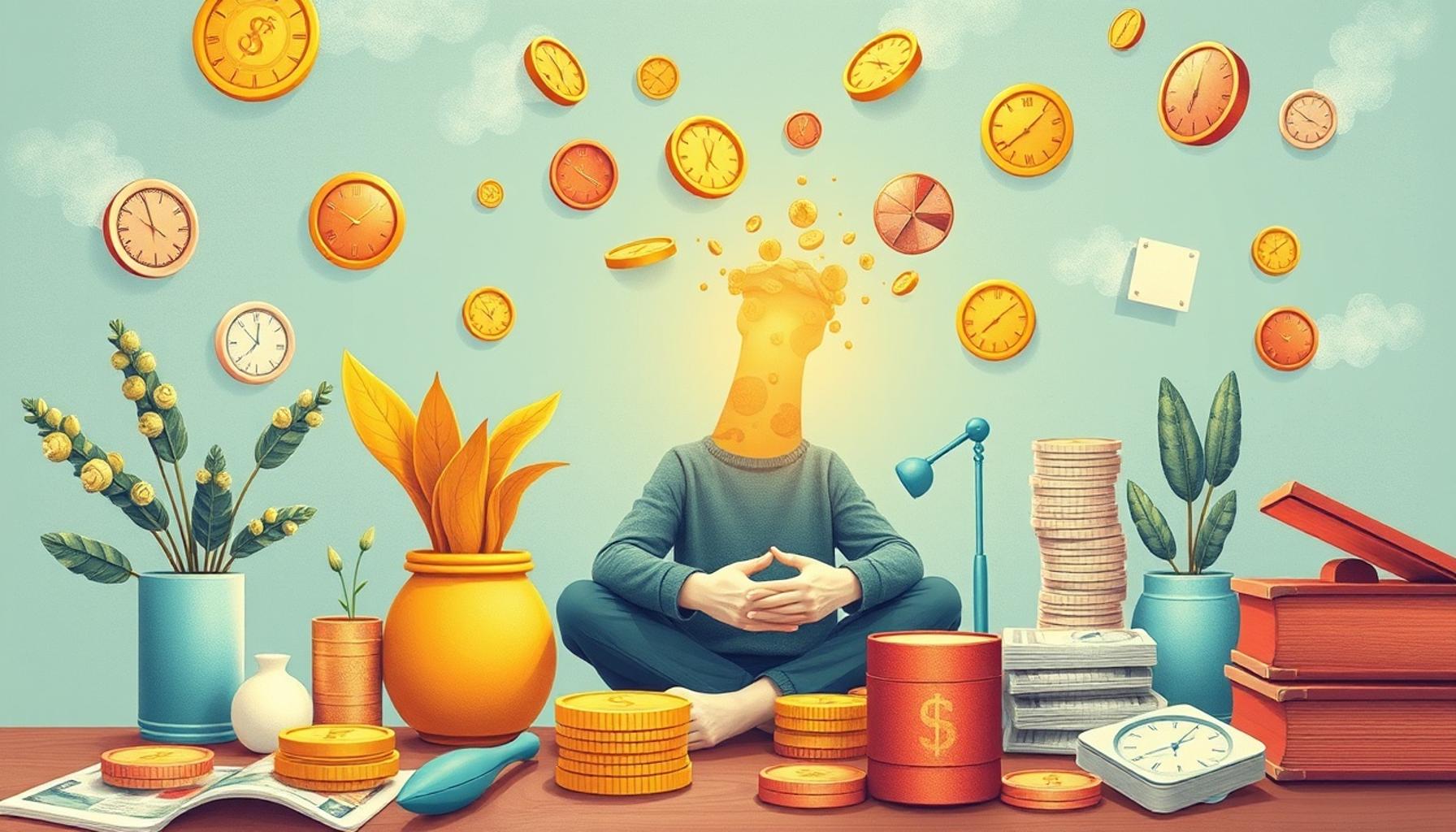
Understanding Minimalism: A Path to Clarity
In a world overflowing with possessions and distractions, conscious detachment presents a refreshing approach to simplifying our lives. Many individuals find themselves overwhelmed by the constant demands of modern society, leading to stress, anxiety, and a decline in mental well-being. Embracing minimalism can serve as a powerful antidote to this cluttered existence, inviting individuals to refocus their energies in a way that promotes peace and purpose.
Essentially, minimalism encourages us to rethink our relationships with various aspects of our lives:
- Physical possessions: An endless accumulation of items can weigh us down both physically and mentally. By letting go of things that no longer serve us, we can create a soothing environment. For instance, consider the trend of decluttering popularized by figures like Marie Kondo, where individuals find joy in each item they choose to keep, ultimately leading to a more spacious home and mind.
- Digital clutter: In an age dominated by technology, digital clutter can often be just as overwhelming as physical belongings. With the constant barrage of notifications and endless streams of information, many find themselves more distracted than ever. By curating our digital lives—unsubscribing from unnecessary emails or limiting social media usage—we can reclaim our focus and foster improved mental clarity.
- Social commitments: Maintaining a busy social calendar can contribute to feelings of obligation and stress. Minimalism prompts us to evaluate our relationships and prioritize connections that bring genuine joy and fulfillment. It reorients our social spheres to include only those interactions that enrich our lives.
When we consciously detach from the non-essential, we open up space for what truly matters. This shift in perspective can lead to a range of profound benefits for our mental health, including:
- Reduced stress levels: Simplifying our lives allows us to focus more on the present, reducing the overwhelm that often comes from juggling too many responsibilities.
- Increased focus and clarity: With fewer distractions, we are able to engage more deeply in tasks, enhancing our productivity and creativity.
- Enhanced emotional resilience: By prioritizing what truly matters, we cultivate a stronger sense of self, making it easier to navigate life’s challenges.
Research indicates that a simplified lifestyle not only frees our minds but can also lead to greater overall satisfaction. A survey by the American Psychological Association found that individuals who embrace minimalism often report an increase in well-being and life satisfaction. As we delve deeper into the journey of minimalism, we uncover how conscious detachment can fundamentally transform our mental well-being. It invites serenity and mindfulness into our daily lives, proving that less can indeed be more.
As we navigate our increasingly complex world, it is worth exploring how minimalism can provide a counterbalance. This approach offers a profound invitation to discover what truly enriches our lives, encouraging us to cultivate a lifestyle grounded in intention and clarity.
The Psychological Benefits of Embracing Minimalism
Reducing life’s distractions and possessions is not merely about creating a tidy space; it extends to our mental landscape. Conscious detachment through minimalism helps individuals cultivate a mindset that promotes mental well-being while fostering an ongoing sense of self-awareness. This shift in approach can significantly benefit various aspects of mental health.
One of the key psychological advantages of minimalism is its role in reducing anxiety and overwhelm. A study from the Psychology Journal suggests that cluttered environments can lead to increased levels of stress and anxiety. The act of decluttering one’s physical space can have a calming effect, enabling clearer thoughts and a more composed mind. In essence, when we remove excess, we release ourselves from the mental baggage that can weigh us down.
Additionally, minimalism encourages a mindfulness practice that promotes a greater connection to the present moment. Without the pull of a multitude of obligations or distractions, individuals can engage more fully in their experiences. This enhanced mindfulness not only reduces feelings of disconnection but also allows for a deeper appreciation of life’s simple pleasures. Focused meditation and intentional living become more accessible as the noise of unnecessary possessions and commitments fades away.
Moreover, minimalism fosters a strong sense of self-identity. By consciously detaching from materialism, individuals often embark on a journey of self-discovery. This can lead to a heightened awareness of personal values and what genuinely brings joy. As people start to confront their existing lifestyle choices, they often realize that true contentment lies within, rather than in possessions or status. Research from the University of Southern California emphasizes that aligning one’s life with their core values can lead to enhanced emotional resilience, making it easier to cope with life’s challenges.
Let us delve deeper into the specific ways minimalism, through conscious detachment, can bolster mental well-being:
- Improved Focus and Productivity: Howard G. Beck, an organizational psychologist, notes that the clarity stemming from simplified surroundings often leads to higher productivity levels. Without the distractions of excessive items or commitments, individuals can channel their energy more effectively into meaningful tasks.
- Better Emotional Regulation: With fewer triggers from clutter in our environments, people often find themselves better equipped to manage their emotions. This is crucial in today’s fast-paced world, where emotional intelligence is key to navigating personal and professional relationships.
- Enhanced Quality of Life: Embracing minimalism allows individuals to prioritize experiences over things. A survey conducted by the National Institute of Mental Health found that experiences lead to lasting happiness, as they foster deeper connections and create lasting memories.
As we continue to explore the implications of minimalism on mental health, it becomes clear that conscious detachment not only cultivates a simpler lifestyle but also nurtures a more satisfying and balanced mental state. In a society that often equates success with accumulation, returning to the essential elements that enrich our lives offers a much-needed respite and a chance to flourish.
Discovering Conscious Detachment Through Minimalism
Minimalism isn’t just about decluttering spaces; it’s a transformative journey toward conscious detachment. This mindset encourages individuals to evaluate their possessions, relationships, and emotional baggage critically, leading to a clearer understanding of what truly enriches their lives. As one engages with minimalism, they often discover that letting go of surplus can significantly enhance mental well-being. One compelling aspect of minimalism is its ability to lower stress levels. A cluttered environment can stimulate the brain and increase anxiety. By creating a serene space with fewer distractions, it becomes easier to focus on tasks that matter. A clear room can lead to a clear mind, promoting better decision-making and increased productivity.Moreover, minimalism encourages mindfulness—a key principle in mental health practices. This state of awareness helps individuals to live in the present moment and foster gratitude for what they have, rather than constantly yearning for more. By prioritizing experiences over possessions, one can cultivate deeper connections with people and engage more fully in life’s myriad moments.Furthermore, the practice of conscious detachment in one’s life promotes emotional resilience. By recognizing and releasing attachments to material goods or toxic relationships, individuals pave the way for personal growth. This journey often leads to a more fulfilling life, allowing for emotional space to embrace new opportunities.As you delve deeper into the principles of minimalism, it’s essential to recognize that this lifestyle is unique to each individual. By embracing the values of conscious detachment, you can transform not only your living space but also your mental and emotional landscape, improving overall well-being and cultivation of joy in everyday life.
| Benefits of Minimalism | Key Features |
|---|---|
| Reduces Stress | A less cluttered space creates a serene environment, lessening anxiety. |
| Enhances Mindfulness | Promotes living in the present and fosters gratitude. |
| Emotional Resilience | Encourages letting go of attachments, leading to personal growth. |
Embracing Conscious Detachment for Greater Clarity
As we dive deeper into how conscious detachment through minimalism can enhance mental well-being, it becomes imperative to discuss the impact on decision-making and clarity in daily life. In a world where over-stimulation is the norm, the simplicity afforded by minimalism fosters a clearer lens through which to make choices. With fewer distractions and obligations weighing down our thought processes, individuals report improved decision-making capabilities. According to research published in the Journal of Consumer Research, minimalism aids in honing focus, making it easier to prioritize what is truly essential and beneficial.
Another rejuvenating aspect of adopting a minimalist lifestyle is the enhancement of creativity and self-expression. When individuals practice conscious detachment from the clutter of materialism, they can channel their energy into creative pursuits that reflect their true selves. This shift allows for genuine expression, free from societal expectations. Artists and creators who embrace minimalism often report that it inspires them to produce work that resonates more deeply and authentically.
Social Relationships also stand to benefit from a minimalist mindset. By shedding excess possessions and obligations, individuals often find themselves more present in their relationships. A study from the American Psychological Association found that people leading a minimalist lifestyle tend to cultivate stronger relationships, as they prioritize quality time over quantity. Fostering deeper connections through shared experiences rather than accumulating things can lead to improved emotional health and increased feelings of fulfillment.
- Facilitating Personal Growth: Conscious detachment often leads to regular reflection, creating a fertile ground for personal development. As individuals assess what they truly need, they are encouraged to confront inner challenges and create actionable plans for improvement. Psychology experts from the University of North Carolina assert that this cycle of reflection and goal-setting contributes positively to mental well-being and resilience.
- Physical Health Correlation: Interestingly, the benefits of minimalism extend beyond the mind to the body. Studies from the Mayo Clinic indicate that reduced stress levels tied to a decluttered environment can lead to better overall health. Lower stress levels can mitigate the risk of chronic illnesses and contribute to better sleep patterns, providing a holistic benefit that stems from embracing minimalism.
- Financial Freedom and Security: The approach of detaching from excessive spending can result in financial benefits that contribute significantly to an individual’s mental well-being. By prioritizing meaningful experiences over material possessions, people often find themselves experiencing less financial strain. Research from the Bureau of Economic Analysis shows that individuals practicing minimalism can save a substantial percentage of their income, leading to a sense of security and reduced anxiety regarding financial woes.
Collectively, these interconnected benefits illustrate the profound potential of minimalism as a tool for psychological enhancement. In an age defined by materialism and the constant pressure to consume, consciously detaching from unnecessary elements not only cleanses one’s environment but also replenishes the mind and spirit. As individuals redefine their relationship with their possessions, they often uncover a renewed sense of purpose and resilience that fuels their everyday lives.
Conclusion: The Transformative Power of Minimalism
In conclusion, embracing conscious detachment through minimalism offers an array of benefits that extend far beyond decluttering our physical spaces. This lifestyle choice redefines our approach to mental well-being, fostering greater clarity, creativity, and emotional connections with others. As we strip away the excess, we pave the way for deeper self-reflection, nurturing personal growth that leads to enhanced resilience and purpose.
The impact on social relationships cannot be understated; by prioritizing meaningful experiences over material possessions, individuals cultivate profound connections that enrich their emotional lives. Furthermore, a minimalist lifestyle contributes to improved physical health by reducing stress and promoting healthier habits. Financial freedom becomes a natural byproduct as we learn to allocate our resources more judiciously, which alleviates anxiety and contributes to overall mental peace.
As studies consistently support the myriad advantages of minimalism, it’s clear that this approach resonates in the fabric of modern society, laden with distractions and relentless consumerism. The conscious decision to detach from the non-essential is not merely a trend; it’s a transformative journey toward a more fulfilling existence. For those seeking a path to balance and mental clarity, minimalism serves as a guiding light, offering a fresh perspective that encourages a richer, more intentional life.
This journey may be as simple as starting with a single room, or it could involve a comprehensive reevaluation of one’s lifestyle. Regardless of the starting point, the rewards await those willing to embrace the power of conscious detachment, leading to a revitalized connection with oneself and the world around us.

Beatriz Johnson is a seasoned minimalist and writer with a passion for simplifying the complexities of personal organization and intentional living. With over a decade of experience in decluttering strategies and mindful consumption, she specializes in topics like space optimization, habit simplification, and sustainable lifestyle choices. Through her work on our website, Beatriz empowers readers to embrace minimalism, reduce mental and physical clutter, and create more meaningful, organized lives in today’s fast-paced world.

Beatriz
Beatriz Johnson is a seasoned minimalist and writer with a passion for simplifying the complexities of personal organization and intentional living. With over a decade of experience in decluttering strategies and mindful consumption, she specializes in topics like space optimization, habit simplification, and sustainable lifestyle choices. Through her work on our website, Beatriz empowers readers to embrace minimalism, reduce mental and physical clutter, and create more meaningful, organized lives in today's fast-paced world.