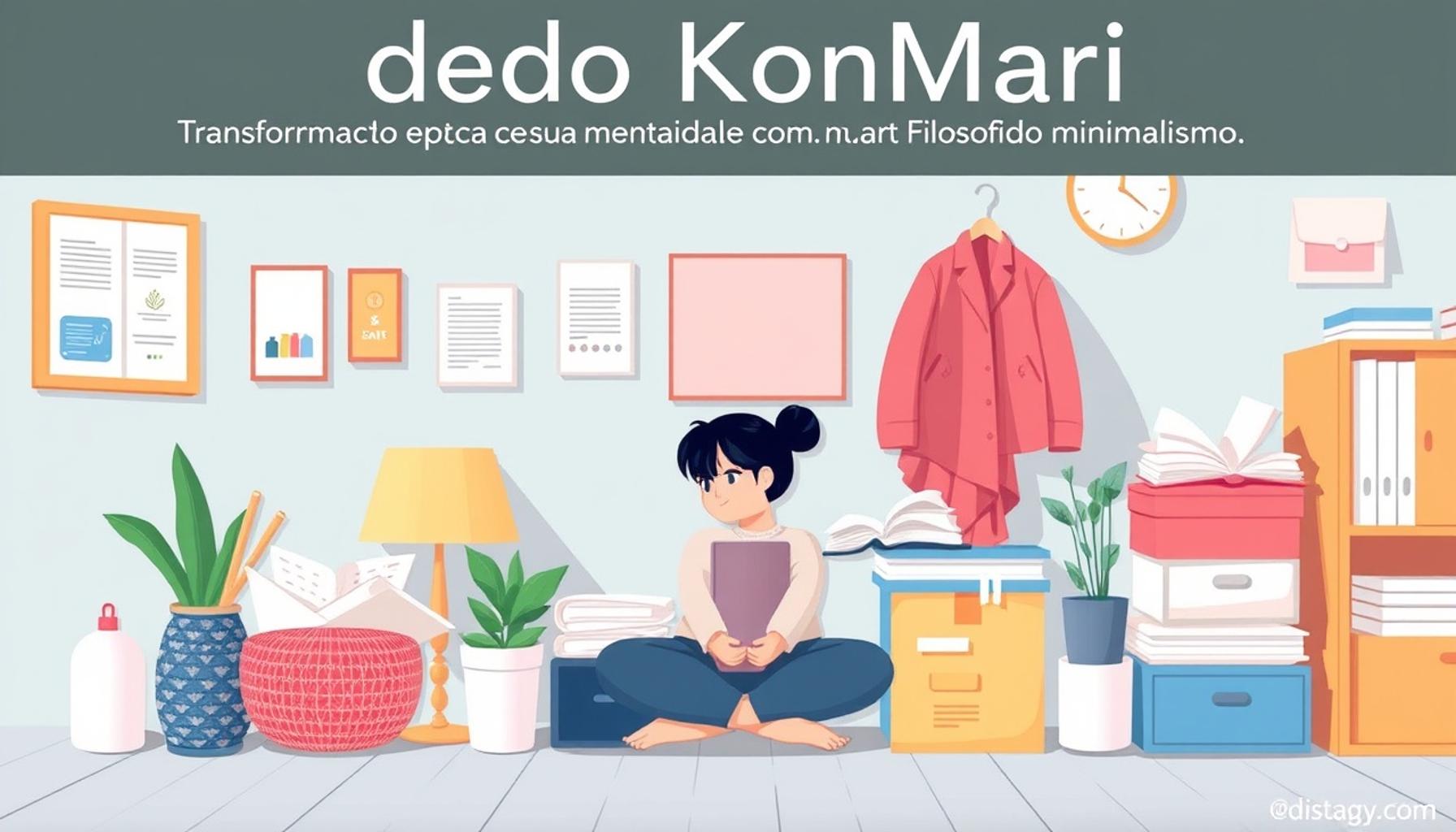
Decluttering and the Redefinition of Relationships: How Physical Space Reflects the Emotional

The Narrative of Our Environments
Physical spaces have an innate ability to narrate the stories of our lives. They act as mirrors, reflecting our emotional states and influencing the dynamics of our relationships. Our surroundings can either enhance or hinder our mental well-being, creating an intricate web that ties together the physical with the emotional.
For instance, a cluttered home is often a visible manifestation of stress. When items accumulate without purpose or reason, it can create feelings of overwhelm or anxiety. Conversely, a well-organized space promotes feelings of peace and fosters clarity of mind, allowing individuals to focus and engage more meaningfully with their thoughts and relationships. The process of decluttering, which has gained traction in the United States, often uncovers hidden emotional attachments and unresolved conflicts. As possessions are sorted, individuals frequently confront the memories tied to these objects—often leading to insightful realizations about their connections with both the items and the people in their lives.
The rise of minimalism speaks volumes about the current cultural shift. Many Americans are intentionally deciding to lead less cluttered lives, opting for simplicity over excess. This move towards decluttering signifies a desire to regain control amidst the chaos of modern living. Studies indicate that environments that are orderly and decluttered can significantly reduce stress levels and improve overall mental health, illustrating the profound link between our surroundings and emotional well-being.
Impact on Relationships
Beyond personal well-being, the journey of decluttering can act as a transformative catalyst for relationships, reshaping how individuals interact with themselves and others. As they unearth layers of memories associated with their possessions, they might discover deeper emotional triggers tied to past experiences. This newfound awareness can facilitate improved communication with loved ones, fostering an environment of openness and vulnerability.
By exploring the underlying motivations for their attachment to specific items, individuals can also gain insights that lead to more intentional interactions. For example, someone might realize that holding onto certain gifts from a friend symbolizes an unresolved emotional connection or unacknowledged appreciation. Letting go of these items could pave the way for more authentic communications with that friend. Ultimately, the act of decluttering transcends mere organization; it invites introspection and dialogue, both within oneself and between individuals.
As we uncover these nuances, it becomes evident that the process of decluttering is not just about creating a tidy space; it is a journey of self-discovery that intertwines with our relationships. With each discarded item, there lies the potential for renewed understanding and growth in our connections with ourselves and those around us.
Unpacking Emotional Attachments
The journey of decluttering often brings to light a myriad of emotional attachments that individuals may not fully comprehend. As people sift through their belongings, they are compelled to confront memories, desires, and insecurities linked to various items. This process serves as a powerful reminder that what we hold onto extends beyond physical objects; it bears the weight of our personal histories, joys, and even grief.
Psychologists suggest that our possessions can act as proxies for our emotions. For instance, a well-worn teddy bear from childhood may evoke warmth and nostalgia, while an old letter from a long-lost friend might stir unresolved feelings of regret or longing. As individuals embark on their decluttering voyages, they encounter a kaleidoscope of memories that forces them to evaluate their emotional landscape. Consequently, this examination of attachments not only punctuates the significance of each item but also acts as a lens through which they can understand their relationships.
Furthermore, research indicates that the act of decluttering can lead to significant shifts in one’s self-perception and relationship dynamics. When a person recognizes the emotional basis of their attachment to certain items, it can prompt them to consider the relevance of these feelings in their relationships. This introspective journey can result in newfound motivations, including:
- Identifying Toxic Relationships: As individuals evaluate what brings them joy or stress, it has been observed that they often reassess their interpersonal connections. Cluttered spaces can harbor feelings of obligation or guilt related to people, revealing that some relationships may no longer serve their emotional well-being.
- Promoting Communication: By sharing the emotional stories tied to specific items with loved ones, individuals can foster deeper bonds. This openness can encourage friends and family to share their own experiences, resulting in richer, more meaningful discussions.
- Encouraging Empathy: Understanding the emotional weight of one’s possessions might lead to a greater appreciation of others’ attachments. This exchange of vulnerability can lead to stronger connections and enhance the ability to navigate the complexities of human relationships.
Moreover, as people declutter, they often experience a shift in their perception of space itself. A cluttered environment can easily feel suffocating, while a clear space offers both mental and emotional relief. The newfound clarity that comes from a tidy home can act as an inspirational backdrop for personal growth and rejuvenated relationships. Embracing simplicity can foster a sense of calm that allows for more intentional and meaningful interactions, reinforcing the notion that our physical spaces reflect our emotional states.
In summary, the act of decluttering extends well beyond organizing clutter; it serves as an invaluable opportunity for self-discovery and relationship redefinition. Through this journey, individuals can unearth emotional patterns, gain insights about their connections with others, and reshape their environments to mirror the clarity they seek in their lives.
Understanding the Emotional Impact of Clutter
Clutter is not merely a physical burden; it often represents our unresolved emotions and relationships. The accumulation of items can signify unresolved conflicts or attachments, thereby transforming a living space into a mirror reflecting our inner turmoil. When we consider decluttering, we embark on a journey toward emotional clarity and improved relationships. Research suggests that a chaotic environment can increase feelings of stress and anxiety. These negative emotions can spill over into personal relationships, creating misunderstandings and conflict. By contrast, a decluttered environment promotes tranquility and focus, fostering positive interactions and emotional well-being.
The Connection Between Space and Emotional Health
When we reduce clutter, we not only open up our physical spaces but also create an opportunity for emotional healing. This process is often therapeutic; it requires individuals to confront and let go of objects associated with past experiences, which can be cathartic. As we declutter, we can redefine our relationships with ourselves and others, laying the groundwork for healthier connections.Additionally, minimalism emphasizes quality over quantity. Choosing to keep only items that genuinely bring joy can improve overall life satisfaction and serenity. This principle extends to relationships as well—valuing meaningful connections over a larger social circle can lead to profound satisfaction. Ultimately, the relationship we have with our physical environment mirrors our emotional state. By intentionally creating a space that reflects our values, we not only enhance our surroundings but also cultivate deeper and more meaningful relationships in our lives.
| Emotional Reflections | Decluttering Benefits |
|---|---|
| Stress Reduction | Creates a calm environment, fostering peace. |
| Improved Relationships | Facilitates open communication and emotional support. |
Further exploration into sustainable decluttering practices can solidify the emotional benefits we gain, allowing us to create spaces that not only nurture our physical well-being but also enrich our relational landscape.
Navigating the Connections Between Space and Emotions
The emotional implications of decluttering extend far beyond mere personal reflection and can reach into the fabric of our relationships. A growing body of evidence suggests that the organization—or disorganization—of our personal environments can significantly influence interpersonal interactions and emotional health. As individuals commit to clearing their physical spaces, they often discover an unspoken relationship between their surroundings and their feelings of connection or disconnection with others.
For example, households characterized by clutter can be laden with stress, leading to irritability, frustration, and emotional distance among family members. A study from the American Psychological Association reveals that excessive clutter can induce anxiety and inhibit communication, potentially creating a discordant environment. When one partner feels overwhelmed by a disorganized space, it can provoke conflicts related to household responsibilities, financial challenges, or differing values around material possessions. The direct link between environmental stressors and relationship strain reveals that a tidy space can promote harmony and strengthen connections.
Interestingly, decluttering can also serve as a catalyst for relationship transformation. When individuals engage in this process, it often prompts them to confront and address issues that may have been left unspoken. For instance:
- Deliberate Decision-Making: By deciding which items to keep or discard based on emotional relevance, individuals unintentionally resolve deeper questions about what truly matters in their lives, including their relationships. This decisive act can encourage partners or friends to assess the importance of their bond and communicate any concerns or aspirations.
- Renewed Focus on Shared Values: The practice of decluttering often highlights the need for alignment in personal values and lifestyle choices. Couples who declutter together might discover common goals, leading to active conversations about future plans and mutual growth, enhancing their emotional intimacy.
- Creating Shared Spaces: A decluttered environment allows for the reimagining of shared spaces within the home. For example, transforming a cluttered room into a cozy reading nook can create opportunities for bonding through shared activities, fostering a stronger emotional connection.
Moreover, the consequences of decluttering resonate within the realm of friendships. Numerous testimonies reflect that after decluttering, individuals not only feel liberated but also notice a shift in their interactions with friends. Space, after all, influences the dynamics of gatherings. A tidy living room can invite more casual conversations than a cluttered one, as guests feel more at ease in a welcoming environment, leading to richer experiences.
Additionally, decluttering can act as an informal invitation for friends and family to evaluate their own spaces and emotional states. As participants share their decluttering journey, they often inspire those around them to embark on similar paths, creating a ripple effect of transformation. Collaborative decluttering initiatives—renowned in community wellness movements—emphasize the social benefits of creating spaces that promote emotional well-being while strengthening bonds among individuals who participate together.
Thus, as a direct reflection of inner emotional landscapes, physical spaces have the power to shape not only personal identities but also the dynamics of our relationships. By simplifying our environments, we may inadvertently simplify the navigation of our emotional ties, paving the way for deeper connections and a renewed appreciation for the people in our lives.
Finding Harmony Through Decluttering
In conclusion, the powerful connection between physical space and emotional well-being cannot be overlooked in our fast-paced and often chaotic lives. As we delve into the act of decluttering, we not only seek to create a more organized environment but we also embark on a journey of introspection and transformation that profoundly impacts our relationships. The act of clearing our spaces can illuminate previously unaddressed emotions, fostering open communication and reinforcing shared values among partners, friends, and family members.
Moreover, the shift towards a decluttered life can ignite a collective movement, where individuals inspire each other to evaluate their own relationships with their possessions and spaces. This ripple effect can enhance communal ties, encouraging collaborative efforts that forge deeper emotional connections. By embracing such practices, we can cultivate environments that are not only more pleasing to the eye but also conducive to emotional health and relational harmony.
As psychological studies suggest, a clean and organized space can reduce stress, enhance communication, and present opportunities for closeness. Therefore, the next time we embark on a decluttering journey, let us recognize it as more than a mere organization effort; it is a chance to redefine our relationships, emphasizing that a simplified environment can pave the way for richer, more meaningful connections. For those searching for equilibrium in their personal and social lives, decluttering may just be the key that unlocks a profound transformation.

Beatriz
Beatriz Johnson is a seasoned minimalist and writer with a passion for simplifying the complexities of personal organization and intentional living. With over a decade of experience in decluttering strategies and mindful consumption, she specializes in topics like space optimization, habit simplification, and sustainable lifestyle choices. Through her work on our website, Beatriz empowers readers to embrace minimalism, reduce mental and physical clutter, and create more meaningful, organized lives in today's fast-paced world.