The Art of Letting Go: Decluttering Techniques for Beginners

Understanding Clutter and Its Impact
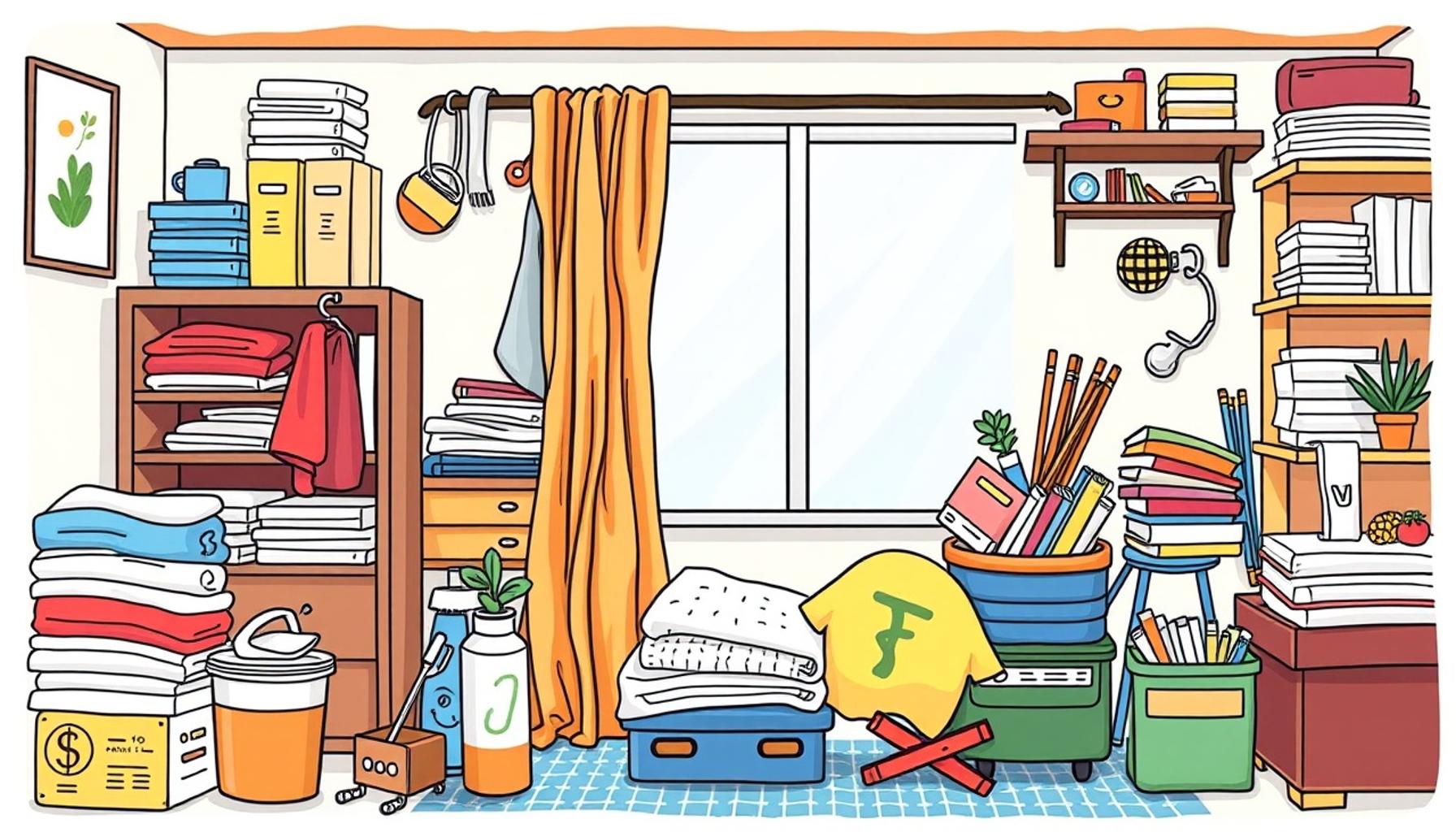
The constant presence of clutter can weigh heavily on our minds and create unnecessary stress. This becomes evident in our daily routines as we navigate through disorganized spaces, often feeling overwhelmed by the sheer volume of items vying for our attention. Over time, possessions accumulate—gifts from loved ones, items purchased on a whim, or practical goods that we never quite find the time to use. This blurring of lines between what is essential and what is merely convenient can hinder our ability to lead a fulfilling life.
The Emotional Weight of Clutter
Engaging in the decluttering process is not merely about cleaning up; it also involves an emotional journey. Strategies for decluttering offer a chance to introspect on what we truly value. For instance, consider the old toys stored away in a box. While they may hold sentimental value, keeping them cluttered can prevent us from appreciating the joyful memories they embody. As a result, releasing such items often leads to emotional clarity. The act of letting go can liberate space in both our environments and our minds, fostering a sense of freedom and purpose.
Creating Space for What Matters
Increased space in our homes not only means more room for movement but also allows us to showcase items that genuinely resonate with us. Imagine a living room cluttered with furniture and decorations that serve no significant purpose. When all unnecessary items are removed, it becomes easier to create a space where one can relax, entertain, and enjoy life. Implementing effective decluttering techniques can transform corners of our homes into serene sanctuaries, reflective of our lifestyles and aspirations.
Gaining Perspective
Additionally, a decluttered space encourages a fresh perspective. Having fewer distractions fosters better focus and productivity. For instance, a home office laden with paperwork and miscellaneous items can lead to decreased efficiency. By streamlining your workspace, you can boost creativity and motivation, essential for both personal and professional growth.
Exploring Decluttering Techniques
Understanding which decluttering methods resonate with your lifestyle can significantly impact your success on this journey. The minimalist approach, for instance, emphasizes the idea that less is more, encouraging individuals to evaluate their possessions critically and eliminate what doesn’t add value to their lives. On the other hand, the widely popular KonMari method, developed by Marie Kondo, promotes a more structured approach, urging individuals to keep only those items that “spark joy.”
There are also various apps and tools available that can guide beginners through the decluttering process. For example, online platforms like “Decluttr” or “Letgo” provide a simple way to sell unwanted items, making it easier to manage excess belongings and create a more organized home.
Taking the First Step
Join us as we delve deeper into practical techniques tailored for those beginning this transformative journey. Each method will be explored with intention and purpose, providing insights into how to tackle every space in your home systematically. Embrace the liberation that comes from a decluttered life, leading you to improved well-being and an environment that truly reflects who you are. By taking the time to reflect on your possessions and making conscious decisions about what to keep or let go, you open the door to a more meaningful and fulfilling lifestyle.
Exploring Decluttering Techniques
Understanding which decluttering methods resonate with your lifestyle can significantly impact your success on this journey. The process of letting go of excess items can be daunting, but with the right techniques, it can become a fulfilling and rewarding experience. In this section, we will explore various techniques that cater to different mindsets and preferences, making decluttering more approachable for beginners.
The Minimalist Approach
The minimalist approach emphasizes the idea that less is more. This philosophy encourages individuals to critically evaluate their possessions to eliminate anything that doesn’t add value to their lives. By adopting a minimalist mindset, you focus not on what you are giving up but on what you are gaining: space, clarity, and freedom. A few key principles to keep in mind include:
- Intentionality: Every item you own should serve a purpose or bring you joy.
- Functionality: Assess how often each item is used. If it hasn’t been touched in a year, consider letting it go.
- Mindfulness: Be conscious of new items you allow into your home to prevent future clutter.
The KonMari Method
The KonMari method, developed by tidying expert Marie Kondo, offers a structured approach to decluttering. This method revolves around the principle of keeping only those items that “spark joy.” By asking this simple yet profound question, you can cultivate a more emotionally rewarding decluttering experience. The fundamental steps in the KonMari method include:
- Categories over Rooms: Tackle clutter by category (e.g., clothes, books) instead of room by room.
- Touch Each Item: Physically handle each item to determine if it brings you joy.
- Thanking Items: Show gratitude to the items you decide to let go, which helps ease emotional attachment.
Digital Decluttering
In our increasingly digital world, digital decluttering is just as important as physical decluttering. A messy digital space can be overwhelming and can detract from productivity. Here are some strategic ways to tackle your digital space:
- Organize Files: Create a logical file structure on your computer to make finding documents easier.
- Unsubscribe: Clear out unnecessary emails by unsubscribing from newsletters that aren’t relevant.
- Delete Duplicate Files: Regularly check for duplicate documents and photos clogging your digital space.
As you explore these various decluttering techniques, think about which resonates most with your values and lifestyle. Each method provides a unique pathway to not just organizing your space but also mending the relationship you have with your belongings. Remember, the goal is not temperature perfect minimalism; rather, it is about creating a physical environment that reflects your identity and supports your continuous personal growth. Embrace the journey of letting go, and you may find it leads to newfound clarity and contentment.
| Key Techniques | Benefits of Decluttering |
|---|---|
| The 4-Box Method | Increases focus and productivity by creating a clear environment. |
| One In, One Out Rule | Promotes conscious consumption and reduces clutter accumulation over time. |
| 30-Day Minimalism Challenge | Helps in assessing true value of items, fostering emotional clarity and space. |
| Digital Decluttering | Streamlines workflow and enhances mental clarity by reducing digital distractions. |
Each of these techniques offers a unique approach to decluttering, helping beginners take actionable steps towards a more serene and organized living space. The journey of letting go is not merely physical; it can serve as a powerful catalyst for mental and emotional well-being. By engaging with these methods, individuals can uncover layers of excess, leading to a gratifying sense of liberation and clarity. This art, when embraced, opens the door to a lifestyle focused not on accumulating, but on appreciating what one truly values. As one embarks on this adventure of decluttering, the benefits extend beyond the home, influencing overall life satisfaction and personal growth.
Embracing Mindful Decluttering
As the art of decluttering evolves, many individuals are discovering the transformative practice of mindful decluttering. This technique emphasizes a deep awareness of the emotional, psychological, and environmental impacts of our belongings. By combining mindfulness principles with the decluttering process, beginners can cultivate a more fulfilling experience.
The Eft-Eclectic Method
The Eft-Eclectic Method is a modern approach that integrates emotional intelligence with decluttering. This technique encourages you to explore the story behind each item, asking questions like, “Why did I keep this?” or “What memories does it evoke?” Here are the steps to this method:
- Reflection: Spend a few moments contemplating how an item entered your life and what it represents for you. This can help clarify its relevance.
- Decide with Intention: Ask whether keeping the item aligns with your current goals and lifestyle. If it doesn’t, it’s easier to let it go.
- Artistic Letting Go: Transform parting with items into a creative outlet—consider photography, art installations, or donation drives that celebrate your journey.
The 30-Day Challenge
For those needing structured motivation, the 30-Day Challenge provides a practical framework. This technique entails decluttering one item on the first day, two on the second, and so forth, culminating in 465 items by the end of the month. Here’s how you can implement this approach:
- Start Small: Begin with a single item to build momentum, and let your confidence grow as the days progress.
- Track Your Progress: Maintain a checklist or journal your journey daily, providing a visual representation of your efforts and achievements.
- Invite Support: Share your challenge on social media or with friends to cultivate a sense of community and encouragement.
Time-Based Decluttering
Another effective technique for beginners is time-based decluttering. This method applies the principle of working within set time frames to make the process feel less overwhelming. The Pomodoro Technique, for instance, encourages you to declutter for 25 minutes, followed by a 5-minute break. Here’s how to enhance this approach:
- Set a Timer: Commit to short, focused bursts of decluttering to avoid burnout while maximizing productivity.
- Prioritize Areas: Identify the spaces needing the most attention and target them during each time block.
- Reward Yourself: Plan small incentives after completing each segment, which helps maintain motivation throughout the process.
As you delve deeper into these mindful decluttering techniques, it’s essential to remember that each person’s decluttering journey is unique. From the Eft-Eclectic Method’s introspective approach to the structured challenge of the 30-Day Challenge, find the technique that resonates with you. With commitment and openness, the journey of letting go can lead not just to a more organized space but also to personal enlightenment and serenity.
Conclusion: The Path to Freedom through Letting Go
In the journey of letting go and embracing a more organized life, the methods highlighted throughout this article serve as valuable companions for beginners. Each technique, whether it be the introspective Eft-Eclectic Method, the structured 30-Day Challenge, or the practical time-based decluttering, offers distinct paths toward achieving clarity and emotional relief. By integrating mindfulness into this process, individuals can cultivate not only a decluttered space but also a decluttered mind.
It’s important to recognize that decluttering is not simply about the physical act of removing items; it’s a holistic process that fosters self-reflection and personal growth. The ethos of mindful decluttering encourages you to contemplate the stories and emotions connected to your belongings, ultimately leading you to decisions that resonate with your current identity and aspirations. Furthermore, structured techniques like the 30-Day Challenge can make the daunting task of decluttering feel manageable and even enjoyable, as you witness tangible results over time.
As you embark on your own decluttering journey, remember that progress may be gradual, and every small victory counts. The act of letting go should not be viewed as a loss, but as a meaningful transformation toward a life filled with intention and purpose. Take the first step today, and discover the freedom that comes with a decluttered environment and a lighter spirit. Your space is a canvas waiting for you to paint a picture of your dreams, where each stroke symbolizes a choice in favor of what truly matters to you.

Beatriz Johnson is a seasoned minimalist and writer with a passion for simplifying the complexities of personal organization and intentional living. With over a decade of experience in decluttering strategies and mindful consumption, she specializes in topics like space optimization, habit simplification, and sustainable lifestyle choices. Through her work on our website, Beatriz empowers readers to embrace minimalism, reduce mental and physical clutter, and create more meaningful, organized lives in today’s fast-paced world.

Beatriz
Beatriz Johnson is a seasoned minimalist and writer with a passion for simplifying the complexities of personal organization and intentional living. With over a decade of experience in decluttering strategies and mindful consumption, she specializes in topics like space optimization, habit simplification, and sustainable lifestyle choices. Through her work on our website, Beatriz empowers readers to embrace minimalism, reduce mental and physical clutter, and create more meaningful, organized lives in today's fast-paced world.