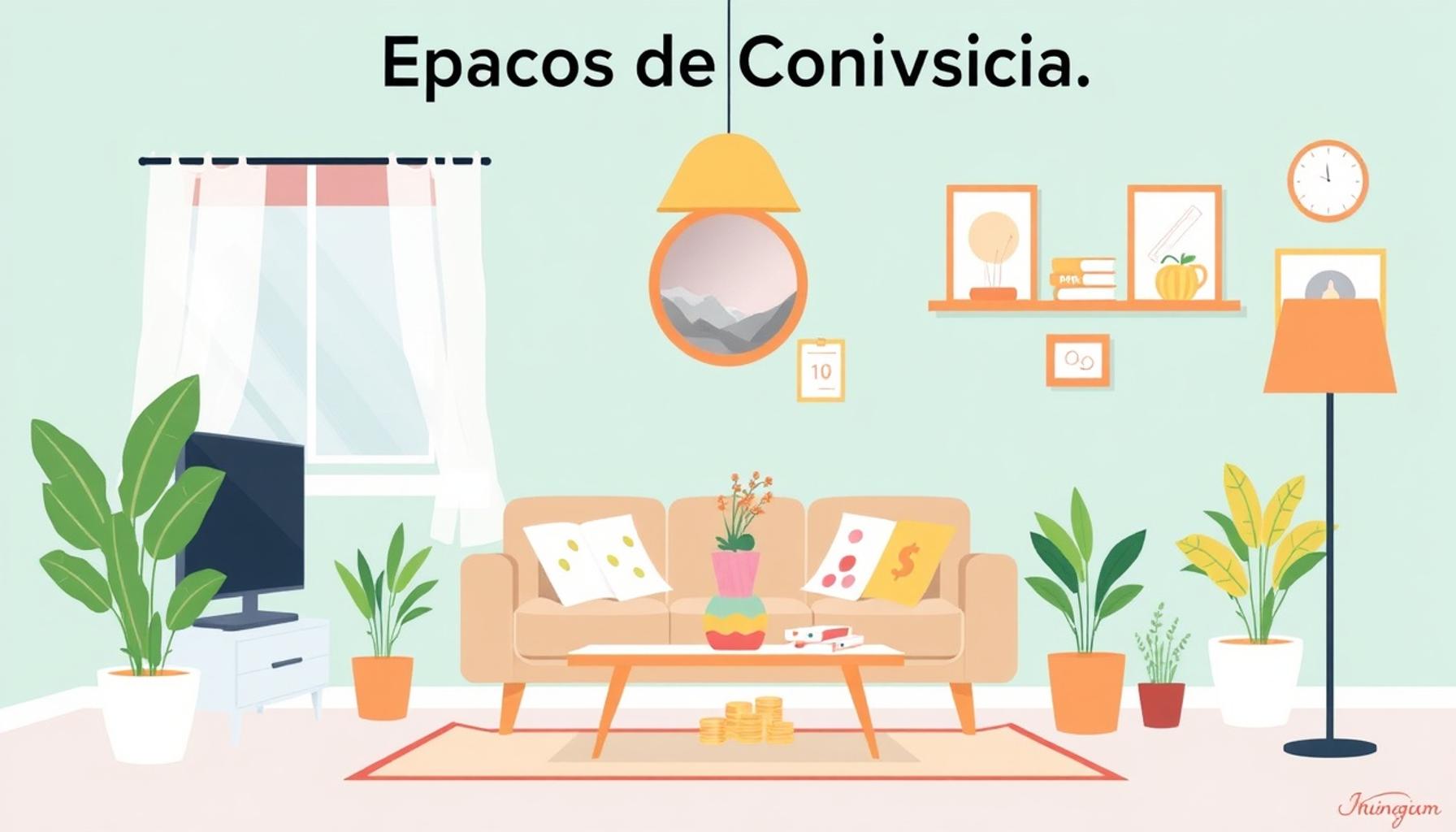
Creating Functional Zones: The Impact of Minimalist Organization on Space Utilization at Home
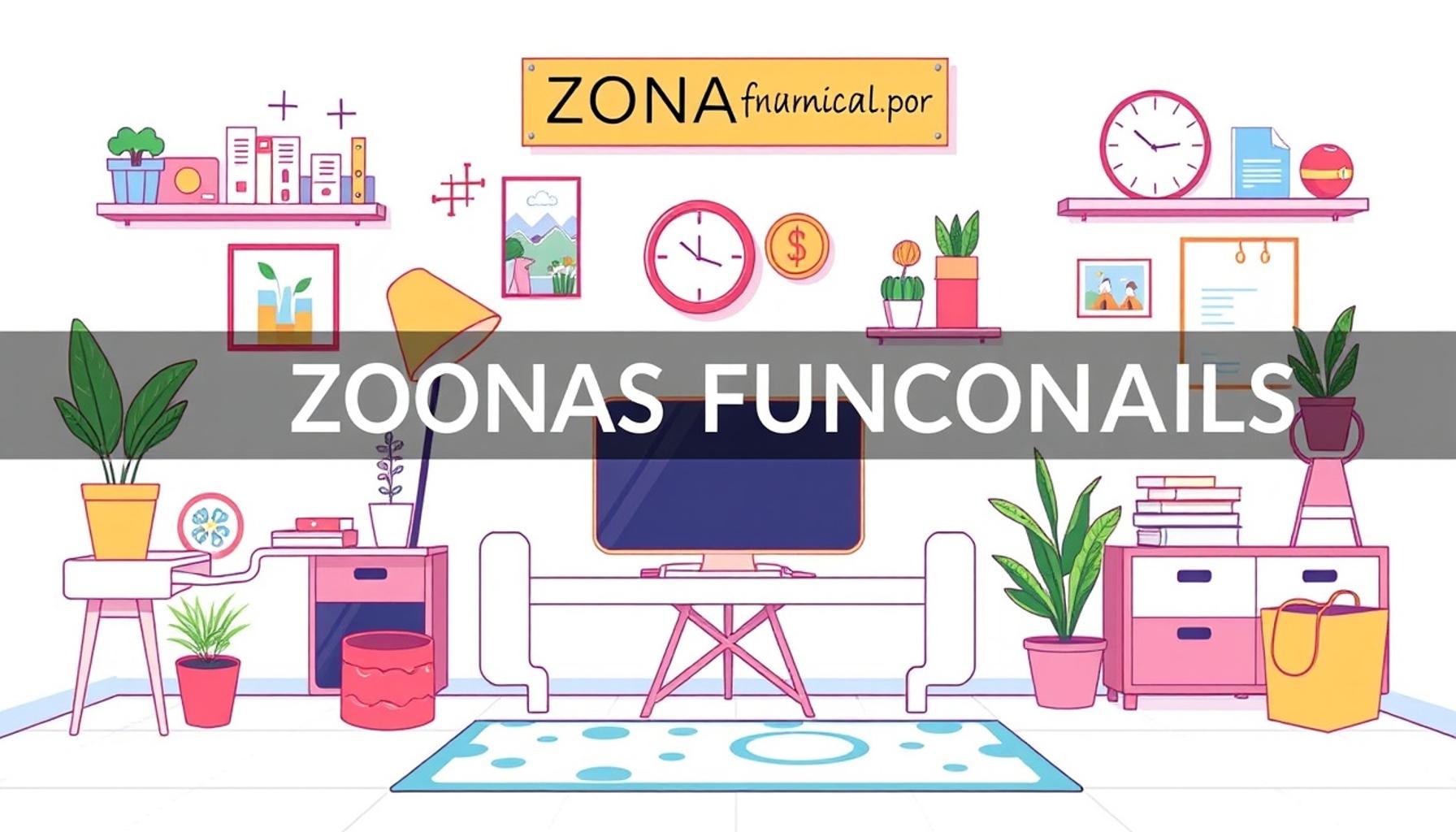
Transforming Your Living Space
The modern American home often faces the challenge of limited space and overwhelming clutter. As families expand and lifestyles become more dynamic, the need for efficient organization becomes paramount. One effective solution is the concept of functional zones, which promotes a balanced and minimalist approach to organizing living areas.
What Are Functional Zones?
Functional zones are designated areas within a home tailored for specific activities. They help to streamline daily routines and enhance overall productivity. These zones can include areas for work, relaxation, cooking, exercise, and entertainment, allowing residents to navigate their spaces more efficiently and with purpose. Here are some key features of functional zones:
- Clearly Defined Spaces: Separation of areas for work, relaxation, and entertainment helps prevent overlap in activities, reducing distractions. For instance, setting up a dedicated home office can enhance focus while working from home.
- Purposeful Design: Furniture and decor arranged to maximize usability makes it easier to find what you need. For example, placing a reading nook near a window ensures that you take advantage of natural light while keeping your favorite books within reach.
- Minimalist Aesthetic: Reduction of excess items can enhance visual clarity. A living room devoid of unnecessary knick-knacks can create an atmosphere conducive to relaxation and invite more social interactions.
The Role of Minimalist Organization
Minimalist organization emphasizes the removal of unnecessary possessions, allowing homeowners to focus on what truly adds value. This organization style not only creates a soothing atmosphere but also:
- Improves Mental Clarity: A less cluttered space can reduce stress and enhance focus. Research has shown that minimal environments can lead to a significant decrease in anxiety levels, making it easier to unwind at the end of the day.
- Maximizes Space: Every inch of your home can serve a purpose. Utilizing multi-functional furniture, such as an ottoman with storage or a fold-out dining table, helps optimize limited square footage while maintaining aesthetic appeal.
- Encourages Intentional Living: This approach promotes mindfulness about personal belongings and their placement. One popular method is the KonMari technique, where you ask yourself if an item “sparks joy” before choosing to keep it, further fostering a life filled with meaning.
By creating functional zones through minimalist organization, homeowners can significantly enhance their space utilization and overall quality of life. This approach invites both practicality and beauty into the heart of the home. Embracing such strategies not only transforms the look of a living space but also encourages a lifestyle that prioritizes well-being and organized harmony.
Understanding Functional Zones: A Closer Look
As homeowners strive for a harmonious blend of aesthetics and functionality, the emergence of functional zones has revolutionized how we perceive and utilize our living spaces. Imagine walking into a room where everything serves a purpose, and each corner invites you to engage in your desired activity. This transformation is made possible through the practice of minimalist organization, which permits every element of your home to thrive in its designated space.
Benefits of Designing Functional Zones
The strategic design of functional zones extends beyond mere allocation of space. By rethinking our home layouts, we can harness several advantages:
- Enhanced Productivity: Defining distinct areas for work and leisure can lead to increased focus. For instance, a well-placed desk in a quiet corner away from distractions fosters a perfect environment for tackling tasks efficiently without the interruptions of home life.
- Maximized Functionality: With creativity, multifunctional designs can emerge. Consider a guest room that doubles as a home office during the day; incorporating a sleeper sofa provides additional sleeping arrangements while conserving space.
- Visual Cohesion: A minimalist approach often translates into a more visually appealing home. By eliminating unnecessary items, homeowners can cultivate a calming atmosphere that resonates with serenity and clarity. This cohesive design is particularly beneficial in open-concept living areas.
- Streamlined Daily Routines: By creating defined zones for activities like cooking, eating, and entertaining, you can move effortlessly from one task to the next. As an example, integrating a small breakfast bar into a kitchen allows for quick meals without the need for a formal dining setup.
Adapting to Your Lifestyle
Every household has different needs, and effective functional zones should reflect your personal lifestyle. This adaptability is key in maximizing space utilization. During the design process, consider the habits and preferences of your family members. As home dynamics shift, so too can your functional zones. Kids’ play areas might need to evolve into study spaces as children grow, or a corner dedicated to fitness might require transformation into a meditation space for relaxation.
Moreover, functional zones can vary based on the size and layout of your home. In smaller apartments, the challenge becomes even more pronounced but can also serve as a unique opportunity to innovate. For example, utilizing vertical space through wall-mounted shelves can create additional storage areas while keeping floor space open for movement. This balance between practicality and creativity is the very essence of minimalist organization.
Ultimately, the beauty of creating functional zones lies not just in the aesthetics but in the lifestyle enhancements they offer. By embracing minimalist organization within these zones, you not only improve your physical space but also cultivate a more intentional, engaging, and stress-free living environment. This conscious approach to home organization can lead to a significantly enhanced quality of life, where every space is a reflection of your needs and aspirations.
Benefits of Minimalist Organization
In the pursuit of maximizing space utilization at home, minimalist organization has emerged as a remarkable approach, encouraging homeowners to rethink how they use their living areas. By creating functional zones within your home, you allow for a more efficient flow of daily activities, which can significantly enhance not only accessibility but also overall well-being.
| Advantages | Impact on Space Utilization |
|---|---|
| Increased Efficiency | Organizing spaces for specific activities ensures quick access to necessary items, thus saving time. |
| Decluttered Environment | A minimalist approach reduces distractions and enhances focus on tasks, promoting a peaceful atmosphere. |
This approach not only emphasizes cleanliness but also cultivates a serene lifestyle by eliminating the excess. Homeowners often report feeling more in control and less stressed when they adopt a minimalist organization strategy. Furthermore, the creation of functional zones promotes creativity and resourcefulness, inspiring individuals to repurpose spaces in innovative ways that cater to their unique lifestyle needs.
Examples of Functional Zones
Functional zones can range from a dedicated workspace free from distractions to a cozy reading nook encouraging relaxation. When individuals create these tailored environments, they optimize their home’s layout while ensuring that each area serves a distinct purpose. This optimization is essential in maximizing the effectiveness of space utilization.
As you consider adopting minimalist principles, remember that the essence lies in intentional choices—everything from furniture arrangement to the selection of decor plays a critical role in achieving a harmonious living space.
Implementing Minimalist Practices for Functional Zones
The transition to creating functional zones that maximize space requires a strategic approach, especially when targeting a minimalist organization style. Implementing these practices may initially seem daunting, but a phased method can facilitate a smoother transition while maintaining the integrity of your living environment.
Curating Your Belongings
The first step in establishing functional zones is to curate your belongings. This involves assessing each item’s purpose and emotional significance. By utilizing the “one-in, one-out” rule, homeowners can ensure they do not accumulate unnecessary items. For example, if you buy a new kitchen gadget, consider donating or discarding an older, less-used equivalent. This principle particularly thrives in functional zones where excess clutter can hinder usability.
- Evaluate Item Utility: Start by categorizing your possessions into groups such as ‘essentials’, ‘seasonal’, and ‘non-essentials’. This exercise helps you visualize the items you frequently use versus those that contribute little to your daily life.
- Use Digital Solutions: For paper documents and photographs, consider digitizing them. Scanning important documents and keeping them organized in digital folders reduces physical clutter while maintaining accessibility.
Designing for Multifunctionality
Once you’ve curated your belongings, it’s time to focus on designing for multifunctionality. Each functional zone should serve one or more purposes without compromising practicality. Here are several innovative solutions:
- Convertible Furniture: Look for furniture pieces that adapt to multiple uses. A dining table that expands to accommodate guests or ottomans that double as storage units can drastically increase the efficiency of a room.
- Zone-Specific Decor: Decorate each functional area distinctly to remind yourself of its purpose. For instance, using specific color schemes or wall art tailored to a workspace can boost productivity while differentiating this zone from your relaxation areas.
Color Schemes and Lighting
The role of color schemes and lighting in space utilization cannot be overstated. Light and color can differentiate zones while enhancing overall ambiance.
- Utilize Natural Lighting: Prioritize areas where natural light is abundant for productivity zones, as daylight can boost mood and creativity. A sunlit nook can become a perfect reading area or a workspace.
- Layered Lighting: Employ layered lighting techniques by incorporating ambient, task, and accent lighting. Task lighting at a desk can improve focus, while soft, ambient lighting in relaxation areas can create comfortable atmospheres.
Creating Personalized Minimalist Zones
Ultimately, personalizing your functional zones ensures they resonate with your lifestyle preferences. Perhaps a section of the living room can serve as a reading corner complete with a cozy chair and a small bookshelf. Such individualized touches not only enhance usability but also foster emotional connections to your environment.
In many ways, minimalism becomes a journey of self-discovery, revealing how you truly want to live and work within your home. Whether it’s reimagining a corner of your living area as a calming zen space or transforming a home entryway into an organized, efficient hub for daily commutes, the possibilities for functional zones are endless. The emphasis lies not solely on aesthetics, but on creating spaces that amplify how you engage with your home life.
Conclusion
In a world increasingly characterized by clutter and distraction, the significance of creating functional zones through minimalist organization cannot be overstated. As we have explored, these meticulously designed spaces not only optimize space utilization but also contribute to a more harmonious and intentional living environment. By embracing the principles of minimalism, homeowners can cultivate areas that are both practical and aesthetically pleasing, enhancing the quality of their everyday lives.
The process begins with the thoughtful curation of belongings—selecting only those items which serve essential functions or hold profound emotional value. This conscious effort sets the foundation for designing multifunctional spaces laden with potential. The integration of convertible furniture and zone-specific decor breathes new life into rooms that may otherwise feel overwhelming or disconnected. Moreover, harnessing natural lighting and employing layered illumination strategies elevates the atmosphere, distinguishing functional zones from one another effectively.
As you establish personalized minimalist zones, you not only boost usability but also create spaces that resonate with your lifestyle and aspirations. This journey of transformation encourages us to reassess our relationships with our possessions and our homes. By reimagining our living spaces as functional sanctuaries, we find the clarity and focus needed to thrive amid the complexities of modern life. The impact of minimalist organization goes beyond mere aesthetics; it encourages a life of purpose and mindfulness that can profoundly enhance our daily experiences in the home.

Beatriz
Beatriz Johnson is a seasoned minimalist and writer with a passion for simplifying the complexities of personal organization and intentional living. With over a decade of experience in decluttering strategies and mindful consumption, she specializes in topics like space optimization, habit simplification, and sustainable lifestyle choices. Through her work on our website, Beatriz empowers readers to embrace minimalism, reduce mental and physical clutter, and create more meaningful, organized lives in today's fast-paced world.