The Art of Detachment: How Efficient Use of Space Can Transform Your Minimalist Lifestyle
Understanding Minimalism and Space Management
In a world overwhelmed by clutter and excess, discovering the power of detachment can be truly transformative. Efficient use of space goes beyond merely making room; it involves reimagining your surroundings to enhance mental clarity and foster a sense of peace. When minimalism is applied thoughtfully, it creates a sanctuary where simplicity reigns, allowing individuals to focus on what truly enriches their lives.
Embracing minimalism does not mean abandoning all possessions or living in an austere environment. Instead, it’s about being intentional with the items you choose to keep and the spaces you inhabit. Consider the following dimensions of a minimalist lifestyle:
- Intentional Design: Each item in your home or workspace serves a clear purpose. For instance, a beautifully designed coffee table that doubles as a storage unit eliminates the need for excess furniture and keeps your space tidy. This approach ensures that every piece contributes positively to your life.
- Functionality: Spaces are tailored for efficiency, reducing wasted moments. Imagine a kitchen designed with the principle of work zones in mind; where cooking, prepping, and cleaning areas are strategically placed. This layout not only saves time but also makes the cooking experience more enjoyable and less stressful.
- Emotional Freedom: Letting go of unnecessary possessions opens up emotional bandwidth. Research indicates that clutter can lead to anxiety and feelings of being overwhelmed. By downsizing your belongings and curating your space, you allow for greater mental clarity and emotional resilience. As you let go of what no longer serves you, you create space for new experiences and relationships.
The art of detachment invites you to redefine your relationship with your possessions. This practice isn’t merely a trend; it’s a profound lifestyle choice that leads to enhanced satisfaction and reduced stress. Minimalism encourages individuals to be mindful of their consumption patterns, leading to more sustainable living practices that resonate deeply with a growing number of people, particularly in urban localities across the United States.
As you delve deeper into minimalism, you may discover that the strategic use of space enhances not only your physical environment but also your overall quality of life. Engaging in this intentional practice allows you to prioritize what truly matters, creating a meaningful and fulfilling existence amidst today’s chaos. Whether through decluttering your home or rethinking your workspace, each step toward minimalism can lead you to a more enriched life, reminding us that less can indeed be more.
Redefining Your Space: The Essentials of Minimalist Organization
As you navigate the journey towards a minimalist lifestyle, the concept of efficient use of space becomes an essential cornerstone. The way we organize and curate our environments can deeply influence our daily experiences, leading towards an existence marked by simplicity and contentment. To master the art of detachment, one must first critically assess their space and identify what truly adds value to their lives.
One effective approach to reimagining your space revolves around the principle of zoning. By creating designated areas for specific functions, you can streamline your activities and enhance the fluidity of your daily routine. Consider the following zones that can be effectively integrated into your home or workspace:
- Living Zone: This area should focus on comfort and relaxation, housing essential furniture pieces that reflect your style while promoting a tranquil atmosphere. Invest in multipurpose furnishings, like a sofa bed or a multifunctional ottoman, to keep the space open and airy.
- Work Zone: For those balancing remote work with personal life, a dedicated workspace is crucial. Organizing your desk with only the necessary tools—like a laptop, organizer, and a lamp—avoids distractions and boosts productivity. The key here is to keep your workspace clutter-free, ensuring that you can easily switch between tasks and maintain focus.
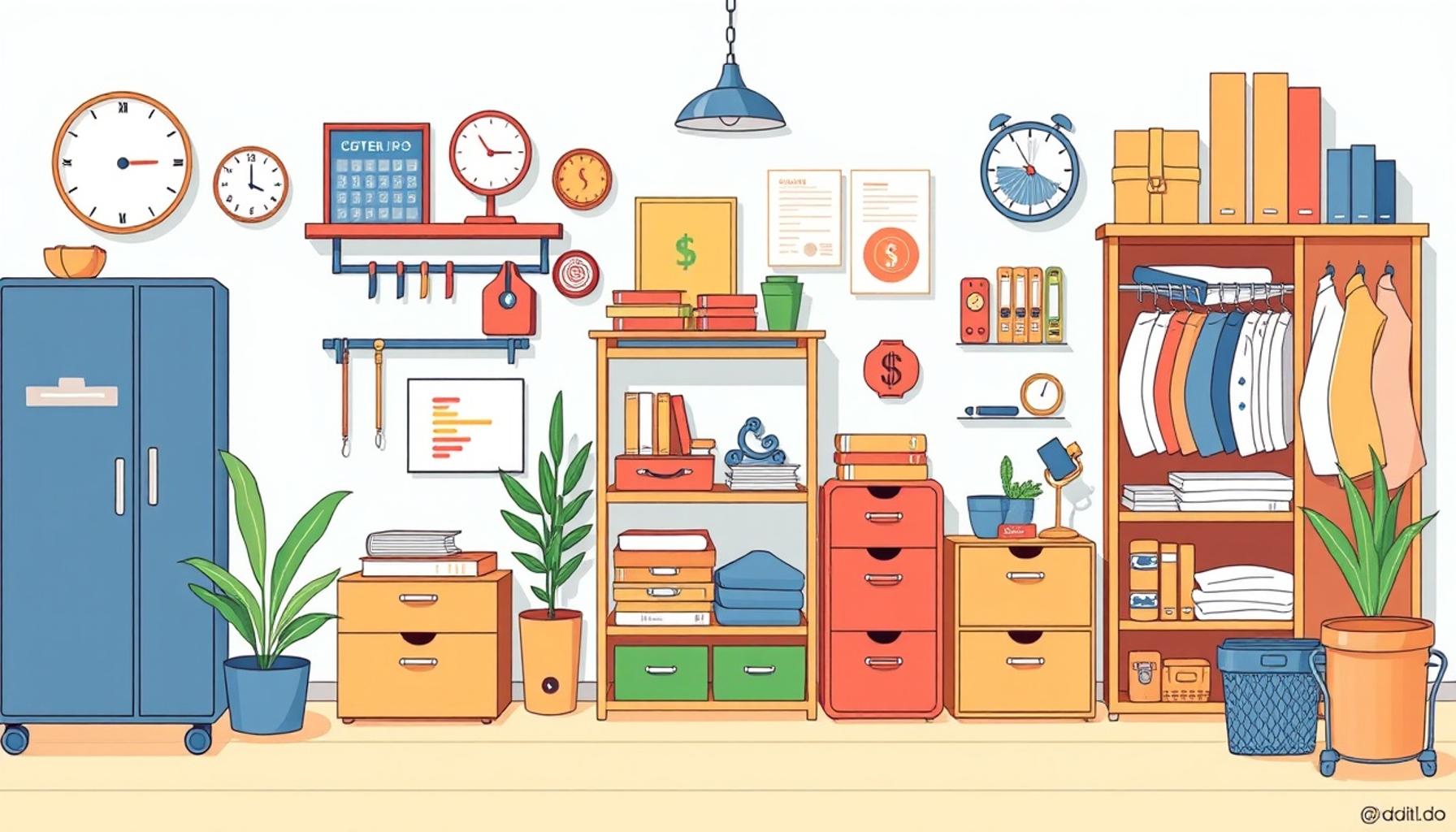
- Storage Zone: Efficient storage solutions can drastically reduce clutter. Use vertical storage options such as shelves and wall-mounted organizers to free up floor space and keep belongings neatly out of sight. Remember, the less you have to physically manage, the more mental clarity you can cultivate.
- Reflective Zone: Incorporate a space dedicated to mindfulness and reflection. This could be as simple as a corner with a chair and a small table—ideal for reading or meditating. Having a designated area to unwind not only enhances emotional freedom but promotes self-awareness and personal growth.
In addition to zoning, implementing the practice of monthly assessments of your items can prove invaluable. By routinely evaluating what you own, you remain attuned to your needs and preferences. This habit encourages consistent detachment from things that no longer serve you, reinforcing a lifestyle centered around intention and purpose.
It’s also essential to explore the emotional aspects of attachment that can tie individuals to physical spaces and possessions. Modern psychology suggests that our environments can significantly impact our emotional well-being. Therefore, optimally using space in a minimalist context fosters a more harmonious existence. A thoughtfully designed home can lead to reduced anxiety and increased peace of mind as it reflects your true self, devoid of clutter and excess.
Ultimately, mastering the art of detachment through efficient space management allows for a heightened sense of control over one’s surroundings. Individuals who embrace this transformation often report an increase in satisfaction and a decreased emphasis on material wealth, opting instead for a lifestyle that prioritizes experience over possession. As you embark on this minimalist journey, remember that every square foot in your environment holds value—it’s up to you to unlock its potential.
The Evolution of Space Management in Minimalism
When we talk about the essence of minimalism, it transcends mere aesthetics; it embodies a lifestyle choice rooted in intentionality and purpose. One of the most pivotal aspects of this philosophy is the art of detachment, where the efficient use of space serves not only to declutter our physical environments but also to declutter our minds. This transformative approach invites individuals to navigate their lives with a heightened sense of awareness and appreciation for their surroundings.The principles of space management in minimalism are evolving. More than just an act of negating possessions, it’s a meticulous strategy that invites individuals to curate their environments. By prioritizing essential items and removing distractions, one can experience a harmonious living space. This curation promotes not only a sense of calm but also a higher level of productivity, as studies have shown that clutter can hinder focus and creativity.
Innovative Storage Solutions
Innovative storage solutions have become vital in the minimalist journey. For example, multi-functional furniture pieces that serve dual purposes, such as a sofa bed or storage ottomans, allow for easier organization of belongings without compromising style. These practical measures not only create additional space but also embody the minimalist ethos where form meets function.Moreover, vertical storage has emerged as an efficient way to maximize space. Shelving units and wall-mounted organizers help to keep areas open and free from clutter, ensuring that every square foot serves a purpose. Implementing such strategies highlights the adaptability required to embrace minimalist living and showcases how thoughtful design can transform spaces.
Emotional Benefits of Minimalism
The emotional and psychological benefits of embracing minimalism cannot be overstated. Individuals often report heightened feelings of freedom and peace, as detachment from material possessions leads to a clearer mindset. By redefining our relationship with space, we cultivate not only a living area that reflects our values but also a lifestyle that celebrates simplicity and clarity.This journey encourages self-reflection and promotes a deeper understanding of what truly matters. The act of letting go becomes a cathartic experience, allowing individuals to prioritize experiences and relationships over material accumulation. As one embraces the art of detachment, there’s a clear path toward a more fulfilling and meaningful life, one that redefines success not through possession but through the quality of one’s environment and relationships.In the context of “The Art of Detachment,” these concepts serve as a foundational layer for understanding how mindful space management can radically enhance our quality of life. This exploration reveals that the journey toward minimalism is indeed a profound transformation, rather than a mere trend. As you delve deeper into the minimalist lifestyle, consider how these principles of efficient space use may apply to your everyday existence, leading to a more liberated and intentional way of living.
| Advantages | Key Features |
|---|---|
| Enhanced Focus | Reduced clutter leads to improved concentration and clarity. |
| Emotional Freedom | Detachment from possessions fosters feelings of liberation. |
By embracing the art of detachment and understanding how efficient use of space can reshape our environments and minds, one embarks on a rewarding journey of minimalism that resonates with deeper layers of satisfaction and fulfillment. Each principle engaged in this lifestyle promises not just a physical transformation but a holistic reawakening towards what matters most.
Embracing the Aesthetic of Simplicity: The Visual Impact of Minimalism
Beyond the functional aspects of organizing space, the visual presentation of your environment plays an equally crucial role in embracing a minimalist lifestyle. The aesthetic of simplicity is transformative; it gives clarity and calmness to your surroundings, making it easier to detach from unnecessary clutter. When considering the art of detachment, exploring design choices that emphasize open, airy spaces is vital. This leads to the concept of visual weight and negative space.
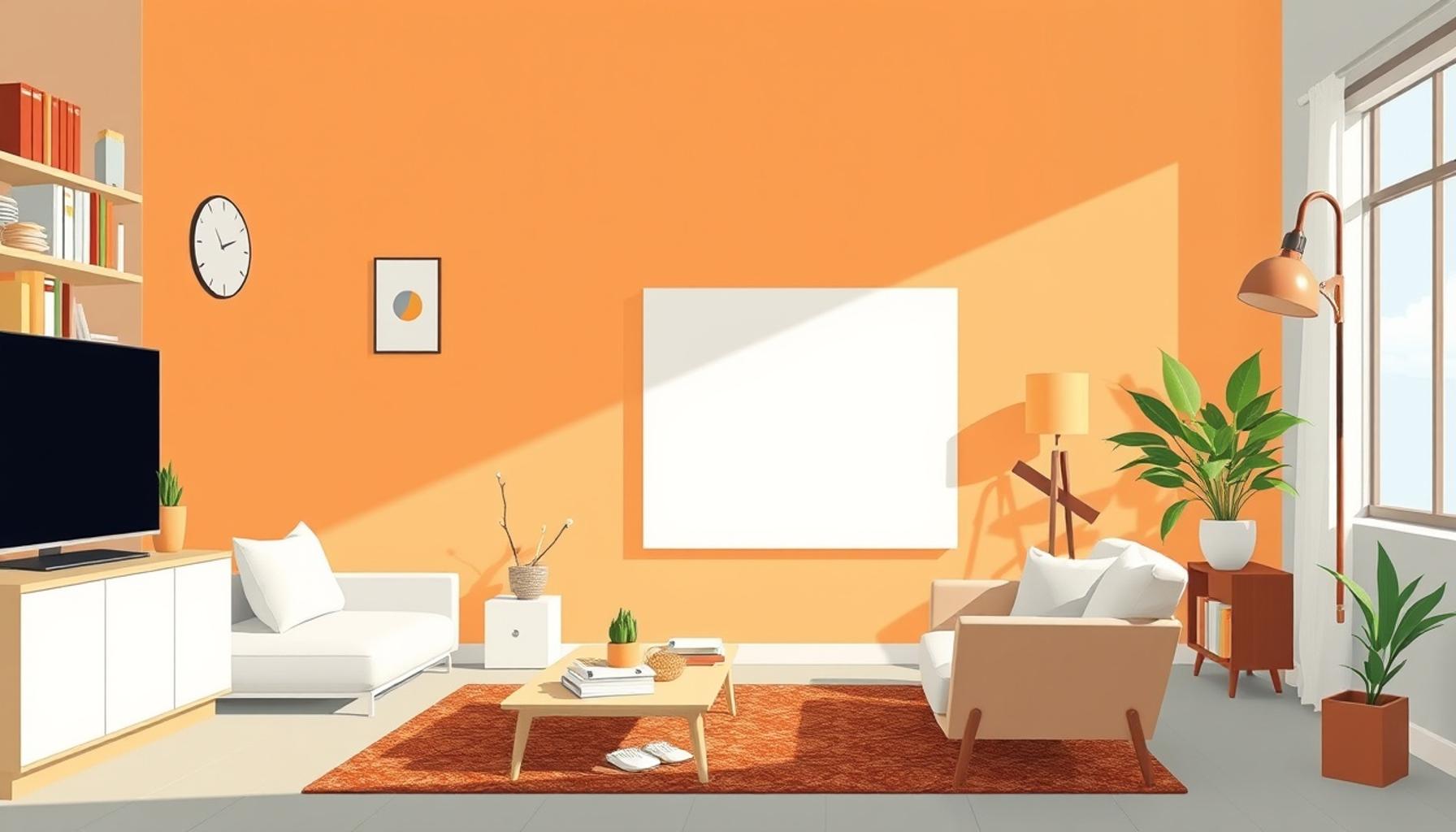
Visual weight refers to how an object’s size, color, and texture influences the heaviness it contributes to a room. In minimalist design, the aim is to minimize visual weight in favor of lightness and tranquility. Opting for lighter colors, such as whites, pastels, or soft earth tones, can create an inviting atmosphere, making a space feel open rather than cramped. A poignant example can be observed in Scandinavian design, which is renowned for its use of natural light, muted color palettes, and functional furniture. These choices not only beautify a space, but they enable the inhabitants to feel more at ease and less overwhelmed.
Similarly, negative space—the area around and between objects—plays a critical role in creating balance and harmony. By intentionally leaving areas of space empty, you invite a sense of peace and focus. For instance, a well-placed piece of art showcased against a blank wall draws attention, allowing appreciation of the artwork without distraction. This principle can be applied in various contexts; consider using open shelving to display a select few books or vases, rather than cluttering surfaces with excessive decorations. Each item can thus become a focal point, celebrated rather than lost in a sea of excess.
Incorporating Nature: Biophilic Design in Minimalism
As you delve deeper into the art of detachment, it’s worth exploring the intersection of minimalism and nature through the lens of biophilic design. By integrating natural elements into your space, you cultivate a healthy environment that promotes well-being and tranquility. Plants, for instance, can serve as both aesthetic enhancements and natural air purifiers, contributing to improved indoor air quality.
Incorporating greenery doesn’t have to disrupt your minimalist approach. Choose low-maintenance plants, such as succulents or snake plants, which require minimal care while still adding life to your space. Consider creating a green corner in your home with a few strategically placed plants, allowing you to maintain a cohesive design while reinforcing a connection to the outdoors. This alignment with nature fosters a sense of groundedness, ultimately enhancing your ability to detach from the burdens associated with modern life.
The Power of Decluttering Rituals
In addition to aesthetic choices, engaging in decluttering rituals can further the pursuit of a minimalist lifestyle. Establishing a routine to purge belongings can help maintain a clear and organized space that nurtures detachment. For instance, the “one-in-one-out” rule encourages conscious decision-making about new acquisitions. This framework instills mindfulness regarding what you allow into your space, reinforcing the importance of intentional consumption.
Consider collaborating with friends or family in decluttering sessions, turning the process into a communal event that fosters connection. The social aspect can make it easier to emotionally detach from possessions, as the focus shifts to shared experiences rather than individual items. Engaging in mindful practices, such as gratitude journaling, can also highlight your attachments to items, which can, in turn, make it easier to let go of those that do not serve a meaningful purpose in your life.
Incorporating these principles will undoubtedly pave the way towards achieving an efficient use of space that complements your minimalist lifestyle, allowing you to cultivate an existence centered around intention, clarity, and detachment. By embracing both the aesthetic and practical elements of minimalism, you open yourself to a richer, more fulfilling way of life.
Conclusion: The Transformative Power of Space in Minimalism
The journey toward a minimalist lifestyle is not solely about eliminating possessions; it is a profound exploration of detachment and intentional living. As we’ve explored, the efficient use of space plays a pivotal role in this transformation. By focusing on principles such as visual weight and negative space, you can curtail distractions and create an environment that emanates tranquility and clarity. Surrounding yourself with only what you truly appreciate allows for a more meaningful engagement with your space.
Integrating elements of biophilic design further enhances your minimalist aesthetic by fostering a natural connection that promotes well-being. The act of surrounding oneself with plants and natural materials can enrich your home while still adhering to minimalist ideals. This alignment with nature not only brings life into your space but also reinforces emotional detachment from material possessions, offering a sanctuary to retreat from the chaos of modern living.
Moreover, establishing decluttering rituals will help you maintain this intentional atmosphere over time. The power of shared experiences in the decluttering process strengthens connections with others and shifts your focus away from attachment to objects. This community aspect can illuminate the joy of living with less while fostering a shared appreciation for simplicity.
Ultimately, embracing the art of detachment through efficient use of space can lead to a more fulfilled existence, characterized by a deeper understanding of what holds value in your life. By cultivating your surroundings with purpose, you can transform a mere living space into a reflection of your true self—one that inspires peace, clarity, and joy.

Beatriz
Beatriz Johnson is a seasoned minimalist and writer with a passion for simplifying the complexities of personal organization and intentional living. With over a decade of experience in decluttering strategies and mindful consumption, she specializes in topics like space optimization, habit simplification, and sustainable lifestyle choices. Through her work on our website, Beatriz empowers readers to embrace minimalism, reduce mental and physical clutter, and create more meaningful, organized lives in today's fast-paced world.