Toy Organization: Minimalist Strategies for Creating Ordered and Functional Children’s Spaces
Embracing Minimalism in Children’s Play Areas
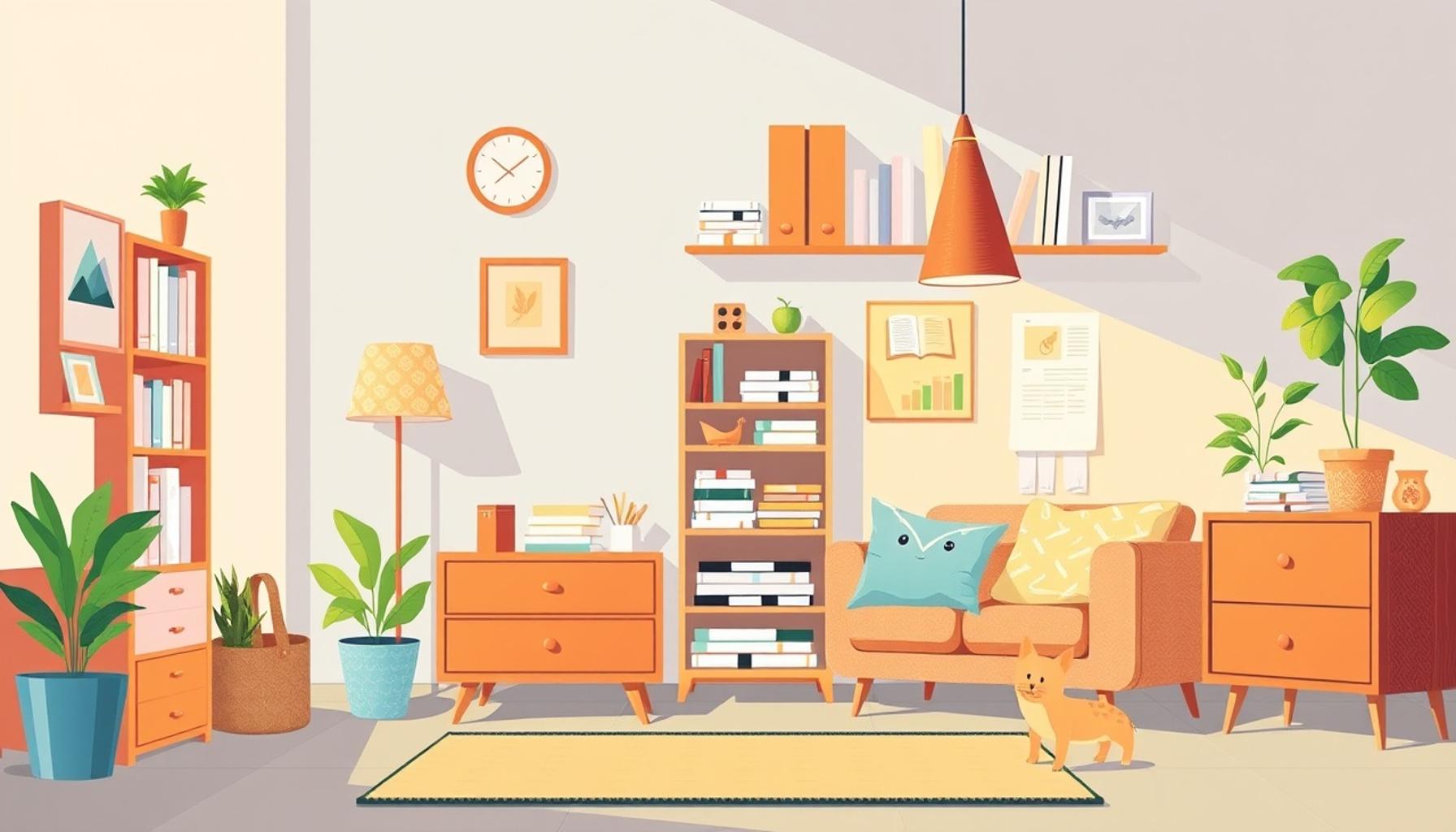
Maintaining an organized play area can seem daunting, but with minimalist strategies, it becomes an achievable goal. A clutter-free environment not only enhances functionality but also promotes creativity in children, allowing them to focus better on their activities. By implementing a few simple techniques, you can transform chaotic toy spaces into serene and inviting areas.
Why Toy Organization Matters
The benefits of effective toy organization go beyond aesthetics. A well-structured play area is crucial for emotional and cognitive development, presenting children with a space where their imagination can thrive. Here’s why it’s worth your attention:
- Reduced Stress: An orderly space lowers stress levels for both children and parents. For instance, children often feel overwhelmed in cluttered environments, making it difficult for them to engage in meaningful play.
- Enhanced Development: A well-organized environment can stimulate a child’s imagination and learning. Studies have shown that children are more likely to engage in creative play when their surroundings are tidy and structured. Items that are easy to access encourage independent exploration.
- Life Skills: Children learn responsibility and the importance of keeping their space tidy. Engaging them in the organization process helps develop habits that can benefit them as they grow.
Understanding the key principles of minimalist toy organization is crucial for creating an enriching environment for your children. Here are some strategies you can explore:
- Limit the Quantity: Focus on quality over quantity by selecting toys that offer versatility. For example, a set of building blocks can provide hours of imaginative play compared to a pile of single-use toys.
- Designated Zones: Create specific areas in the room for different types of play, such as a reading nook with books and soft seating or a building zone with blocks and construction sets. This organization helps children understand where to go for what type of activity, fostering independence.
- Functional Storage: Utilize stylish bins and baskets that blend in with the decor yet offer easy access for little hands. Clear storage containers can be particularly effective, as they allow children to see their options without needing to rummage through boxes.
As we delve deeper into these strategies, it becomes evident how minimalist practices can lead to a more peaceful, organized, and functional space for your children to thrive. Embracing minimalism does not mean depriving children of play; rather, it enhances their play experience by encouraging creativity and thoughtfulness. By fostering a clean and organized environment, you are ultimately laying the groundwork for lifelong positive habits and skills.
Implementing Minimalist Strategies for Effective Toy Organization
As you embark on the journey of organizing your children’s toys through minimalist strategies, consider the profound impact an uncluttered space can have on both playtime and daily routines. By adopting these straightforward yet effective techniques, you can create an environment that not only nurtures creativity but also instills a sense of responsibility in your children. Here, we delve into actionable strategies designed to enhance the functionality of play areas while nurturing an appreciation for simplicity.
Key Strategies for Effective Toy Management
Adopting a minimalist approach to toy organization involves deliberate choices and ongoing commitment. Here are some strategies to successfully implement minimalist toy organization in your home:
- Assess and Declutter: Start by evaluating your current toy collection. Involve your children in the process to teach them about making choices. Ask questions like, “Which toys do you play with the most?” or “Are there toys you no longer enjoy?” This will not only help reduce clutter but also enhance their decision-making skills.
- Mindful Selection: Embrace a philosophy of intentional toy selection moving forward. Prioritize toys that encourage open-ended play and learning. Select educational toys that adapt as your child grows, such as puzzles, art supplies, and imaginative play sets, instead of single-use items. This covers a wide range of developmental skills and keeps the play area purposeful.
- Create a Toy Rotation System: To maintain excitement and limit overstimulation, consider implementing a toy rotation system. Store a portion of the toys out of sight, and periodically change them out. This strategy not only refreshes interest in old toys but also keeps the play area neat and engaging.
- Use Clear Labeling: Simplify the process of finding and returning toys by using clear labels on storage containers. Pictures combined with words can aid younger children in identifying where everything belongs. For instance, labeling a box with a picture of building blocks will guide your child to place them back in the right spot after playtime.
Establishing these minimalist toy organization strategies introduces a sense of order and tranquility to your children’s play spaces. Moreover, it reflects the principles of mindfulness—encouraging children to focus on quality interactions with fewer yet more meaningful items. By setting a foundation of organized play, you empower children to navigate their spaces independently, fostering creativity and personal responsibility along the way.
In a world where the clutter of toys can often feel overwhelming, the journey towards minimalist organization represents a significant shift—not just in the physical realm, but in the mindset surrounding play and creativity. As we explore further, more tips and insights will offer you the tools to maintain this ordered and functional environment throughout your children’s developmental stages.
| Category | Details |
|---|---|
| Streamlined Spaces | Minimalism emphasizes functionality and reduces clutter, creating a calmer environment for children. |
| Easier Maintenance | With fewer toys and organized storage, parents can maintain cleanliness effortlessly, promoting responsibility among children. |
By adopting minimalist strategies in toy organization, parents can transform chaotic play areas into harmonious spaces that encourage creativity and focus. Utilizing methods such as clear storage bins or designated play zones can significantly enhance a child’s ability to engage with their toys rather than be overwhelmed by them. Furthermore, this approach fosters a sense of ownership and decision-making in children, teaching them to curate their play environment, which is an essential skill in today’s fast-paced world.
Implementing these systems doesn’t just alleviate daily stress; it also nurtures an environment where children can thrive. Think about incorporating multi-functional furniture that doubles as storage—this not only saves space but also formats a child’s space creatively.
Considering the psychological benefits of organized play areas, minimalism enters as not just an aesthetic choice but a vital component for cultivating a productive and enjoyable childhood experience. By limiting excess and emphasizing quality over quantity, families can prioritize emotional well-being along with structured play. Thus, the journey towards creating organized and functional children’s spaces is not merely about tidying up but about enhancing growth and learning through thoughtful design that respects both the child’s needs and the living environment.
Fostering Mindfulness through Minimalism in Play Spaces
Implementing minimalist strategies for toy organization not only transforms the play environment but also fosters a deeper connection between children and their toys. By cultivating a mindful approach to play, you shift the focus from quantity to quality. This transition supports the development of essential life skills while encouraging children to value their possessions. Here, we explore ways to promote mindfulness through innovative toy organization strategies.
Building Play Zones with Purpose
One effective strategy for achieving an ordered play space is to create dedicated play zones that cater to different activities. By segmenting the play area into clearly defined spaces, children can engage more deeply with each type of play. For example, design a reading nook with cozy seating, a designated art corner stocked with supplies for creativity, and a building area filled with blocks and construction toys. This intentionality not only organizes toys but also guides children’s play patterns, promoting focused exploration.
Emphasizing Quality over Quantity
In the realm of toy organization, less is often more. Emphasizing quality in toy selection ensures your child has access to items that promote learning and development. Research indicates that open-ended toys—like building sets, costumes for imaginative play, and art materials—offer versatile experiences that stimulate cognitive and social development. When curating this quality-focused collection, parents are encouraged to involve children in the selection process. Discuss what they enjoy and what they might still want to explore, instilling an appreciation for thoughtful purchases.
Incorporating Educational Values into Toy Choices
Minimalist toy organization also opens the door to integrating educational values into play. Choose toys that align with your child’s interests while also promoting skills such as problem-solving, cooperation, and emotional intelligence. For instance, games that require teamwork can reinforce valuable social skills, while hands-on science kits can ignite a passion for discovery. Additionally, consider selecting toys made from sustainable materials, teaching children the significance of environmental responsibility while they play.
Creating a Routine for Toy Management
Consistent routines surrounding toy management can tremendously enhance the success of minimalist organization methods. Introducing a daily clean-up ritual teaches children the importance of responsibility and order. Aiming for a tidy play space each evening provides not only clarity for the next day’s activities but also a calming transition into bedtime. Furthermore, families can establish monthly decluttering sessions together, reinforcing this routine as a collaborative effort. Through these practices, children learn that maintaining an organized space is a shared responsibility that fosters cooperative living.
Technology as a Tool for Toy Tracking
Lastly, consider utilizing technology to support your minimalist toy organization efforts. Various apps and tools are available to help track toy inventory, manage your child’s wishlist, and even facilitate toy lending among friends. By digitizing your toy organization, the clutter becomes manageable, and you can regularly evaluate which toys need to be rotated or removed. This modern approach not only aids in efficiency but also makes the process interactive and engaging for children.
By embedding these mindful toys organization strategies into your daily life, you cultivate an environment where creativity thrives amid order. As children continually engage with their toys in a purposeful space, they develop a strong sense of ownership and appreciation, thereby setting the foundation for a lifelong love of learning and organization.
Conclusion
In the journey towards creating ordered and functional children’s play spaces, implementing minimalist strategies for toy organization proves to be an invaluable approach. Minimizing clutter not only transforms the physical environment but enhances children’s engagement with their toys, fostering creativity and independence. As we have explored, the deliberate segmentation of play areas promotes focused exploration, while emphasizing quality in toys cultivates a sense of mindfulness. By allowing children to actively participate in the selection and management of their playthings, we instill in them a profound appreciation for the value of each item.
Additionally, integrating educational values into toy choices enhances the developmental benefits of play. Selecting toys that nurture essential skills—such as problem-solving, cooperation, and emotional intelligence—encourages meaningful connections between children and their environment. Establishing consistent routines for toy management, combined with the innovative use of technology for tracking inventory, streamlines organization while making the process enjoyable and collaborative.
Ultimately, adopting a minimalist mindset not only leads to a more harmonious living space but also equips children with vital life skills that will extend beyond their formative years. By providing an intentionally curated and organized play space, parents can cultivate a legacy of creativity, responsibility, and mindfulness that supports their children’s growth. As we continue to navigate the complexities of modern parenting, fostering these values through effective toy organization remains a worthwhile endeavor, enriching both playtime and lifelong learning experiences.

Beatriz
Beatriz Johnson is a seasoned minimalist and writer with a passion for simplifying the complexities of personal organization and intentional living. With over a decade of experience in decluttering strategies and mindful consumption, she specializes in topics like space optimization, habit simplification, and sustainable lifestyle choices. Through her work on our website, Beatriz empowers readers to embrace minimalism, reduce mental and physical clutter, and create more meaningful, organized lives in today's fast-paced world.