
The Relationship Between Mindful Consumption and Mental Well-Being: Creating Space for Clarity and Tranquility
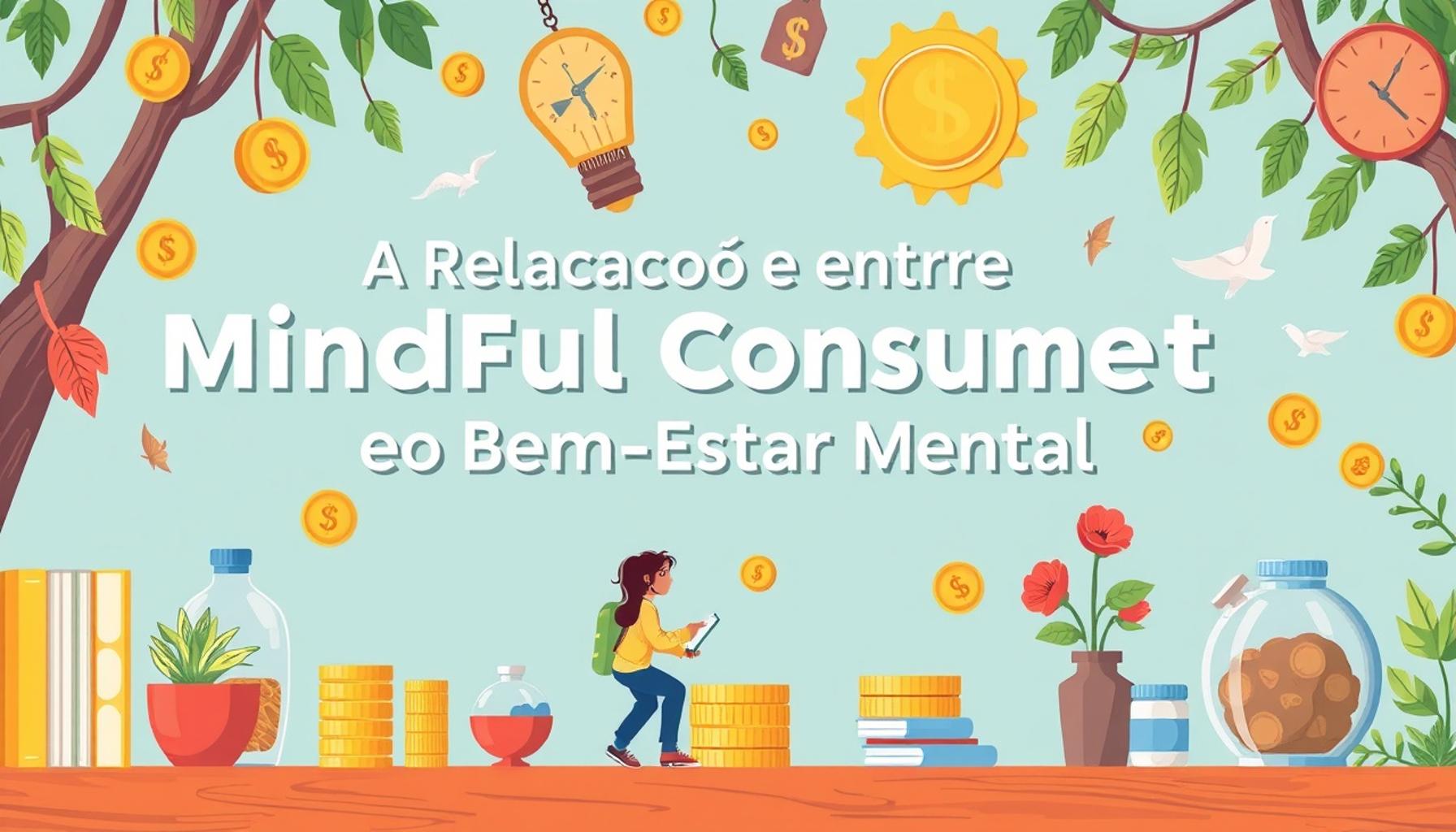
Understanding Mindful Consumption and Its Impact on Mental Health
In a society characterized by rapid advancements and an overwhelming influx of options, the practice of mindful consumption stands out as a pivotal approach to managing well-being. This concept goes beyond mere purchasing; it represents a conscious effort to evaluate not only what we buy but also why we buy it. As individuals increasingly recognize the necessity of prioritizing mental health, the interplay between mindful consumption and mental clarity takes center stage.
Understanding this complex relationship offers numerous benefits. Firstly, there is the potential for enhanced clarity. By discerning between what is vital and what is superfluous, consumers can minimize material clutter in their lives. A well-organized environment often leads to a more organized mind, facilitating creative thoughts and problem-solving. For example, the minimalist movement has gained traction across the United States, advocating for less to mean more in terms of personal fulfillment.
Secondly, a mindful approach to consumption can result in reduced anxiety. The modern consumer often faces a barrage of marketing messages and social media promotions that can lead to overwhelming feelings of wanting more. By consciously deciding against impulse purchases, individuals can escape the cycle of constant consumption and instead experience a sense of control over their lives. This shift is particularly beneficial in today’s world, where financial stress and consumer debt are common concerns.
Another significant benefit is the potential for improved happiness. Research indicates that focusing on quality, rather than quantity, of possessions can lead to deeper satisfaction. For instance, an individual may find greater contentment in owning a few high-quality garments rather than a closet full of fast fashion items. This not only enhances personal enjoyment but also promotes sustainable practices which resonate with a growing number of environmentally-conscious consumers.
Studies further suggest that engaged, intentional interactions with products can transform our mental well-being. By aligning purchases with personal values—such as ethical sourcing or sustainability—individuals can cultivate a sense of purpose. This transformative experience fosters a more serene mental state, allowing consumers to derive joy and meaning from their choices.
Incorporating Mindfulness into Consumption
In a time where consumer pressures are ever-present, it becomes essential to incorporate strategies for mindful consumption into daily life. Simple practices, such as creating a shopping list based on genuine needs, can help maintain focus and prevent impulse buys. Additionally, taking a moment to pause and reflect on a purchase can help assess its value and necessity.
As we continue to explore the profound effects of mindful consumption on mental health, it is crucial to remember that creating both physical and psychological space is not simply a fleeting trend. It is a necessary practice aimed at fostering a calmer, more centered existence amid constant distractions. Join us on this journey to uncover the enriching impact that conscious consumption can have on overall well-being, and navigate the path toward a more intentional and mindful lifestyle.
The Benefits of Mindful Consumption on Mental Clarity
As the hustle and bustle of modern life continues to increase, the need for a more thoughtful approach to consumption becomes even more crucial. The concept of mindful consumption invites individuals to reflect on their purchasing habits, not just regarding physical products but also experiences, thereby fostering a deeper understanding of their emotional and mental states. This intentional way of living can lead to a noticeable enhancement in mental clarity and overall psychological well-being. Several key benefits stand out in this context, revealing how mindful consumption can be transformative.
- Clutter Reduction: A primary advantage of mindful consumption is its effectiveness in minimizing physical clutter. According to research from the National Institute of Health, environments filled with clutter can lead to elevated stress levels and diminished focus. The act of intentionally choosing what to purchase allows individuals to cultivate serene spaces that foster relaxation. For example, many Americans have embraced minimalist lifestyles, opting to declutter their homes and only keep items that spark joy. This not only simplifies living spaces but also creates mental breathing room, allowing for clearer thought processes.
- Intentional Decision-Making: Mindful consumption promotes careful decision-making, urging consumers to reflect before making purchases. This approach paves the way for individuals to consider the emotional weight and financial implications tied to their choices. For instance, when consumers take the time to evaluate whether they genuinely need a product or simply desire it impulsively, they often experience increased self-control and a stronger sense of agency over their lives. This reflective practice can lead to a robust confidence in one’s ability to make sound choices.
- Quality Over Quantity: Emphasizing quality over quantity can yield significant increases in personal satisfaction. Market research shows that consumers who prioritize investing in a smaller number of high-quality items—be it clothing, electronics, or even experiences—report greater happiness levels and a more profound sense of fulfillment. A classic example can be seen in the rise of capsule wardrobes, where individuals focus on owning fewer clothing pieces that they truly love and wear often, rather than a vast array of items, thus resulting in reduced decision fatigue and greater mental ease.
- Connection to Values: Mindful consumption offers an opportunity to align personal values with consumer habits, which can contribute to a greater sense of purpose. For instance, many individuals in the United States are increasingly valuing sustainability and ethical sourcing in their purchases. Choosing to buy from local businesses, fair-trade goods, or products with eco-friendly packaging can instigate a sense of identity and social responsibility. This alignment creates a connection that elevates the act of purchasing to an emotionally rewarding experience.
- Mindfulness and Presence: The practice of integrating mindfulness into consumption habits serves as a practical exercise in presence. Taking the time to pause and genuinely engage with what one buys helps cultivate a mentality that redirects attention from the frantic pace of consumerism to a more focused and tranquil state of being. For example, before making a purchase, one might practice a moment of deep breathing, allowing for a clearer emotional assessment of the need for the item, which can ultimately reduce anxiety.
These benefits illustrate the potential for mindful consumption to serve as a buffer against the chaos of contemporary consumer culture. By making conscious choices about what to invite into our lives, individuals can foster an existence that emphasizes mental clarity and emotional stability. As we continue to explore this topic, we will delve into practical strategies that can assist individuals in integrating mindfulness into their consumption practices, enhancing their mental health and holistic well-being.
| Mindful Consumption | Impact on Mental Well-Being |
|---|---|
| Increased Awareness | Engaging in mindful consumption fosters a greater awareness of our habits and choices, leading to enhanced mental clarity. |
| Reduced Anxiety | By focusing on quality over quantity, individuals may experience a significant decrease in anxiety levels, allowing for better mental health. |
| Simplified Living | Creating a simplified living environment promotes tranquility and reduces stress, contributing positively to mental wellness. |
In exploring the intricate relationship between mindful consumption and mental well-being, one begins to understand how intentionally choosing what to engage with can create a life filled with clarity and tranquility. Mindful consumption encourages individuals to embrace a state of heightened awareness, enabling them to recognize the impacts of their choices on their mental health. This shift not only affects personal habits but also fosters a significant sense of empowerment, leading to less friction in daily living.Moreover, by prioritizing quality interactions and interactions over superficial engagements, individuals can experience an impactful reduction in anxiety. Mindful consumers often report feeling a profound sense of peace, as they learn to appreciate life’s simpler pleasures, enhancing overall satisfaction and fulfillment. These elements contribute to a lifestyle that not only nurtures mental wellness but also promotes a deeper connection to oneself and the surrounding world. The effects of such consumption patterns are profound, instigating a ripple effect that can positively influence relationships and interactions. As society evolves, recognizing the importance of mindfulness in consumption can help pave the way toward improved mental health for many.
Practical Strategies for Integrating Mindful Consumption
Having explored the various benefits of mindful consumption, it’s essential to examine practical strategies that empower individuals to incorporate this philosophy into their day-to-day lives. By adopting a mindful approach, individuals not only enrich their personal consumption experiences but also enhance their overall mental well-being. Here are several actionable techniques that can facilitate this transition toward a more mindful lifestyle.
- The 5-Second Rule: Inspired by behavioral science, the 5-second rule encourages individuals to pause and reflect before acting on an impulse. When faced with a purchase decision, counting down from five allows for a brief moment of reflection, prompting the person to consider whether the item is a want or a need. This pause can significantly decrease impulsive buying, minimizing unwarranted clutter and the associated stress that can arise from poor financial decisions.
- Shopping Lists with Intent: Crafting a shopping list not merely based on needs but also infused with intention can reinforce mindful consumption. When preparing a list, individuals can make it a ritual to evaluate the reasons behind each item. This practice leads to a focused shopping experience where only thoughtfully chosen items are purchased. Additionally, integrating a “waiting period” for non-essential items, such as a 30-day rule for non-urgent purchases, can deter impulsive buys.
- Practice Gratitude: Cultivating gratitude can be a powerful tool in fostering mindful consumption habits. By taking the time to appreciate what you already own, you reinforce a mindset that values sufficiency rather than perpetual wanting. Keeping a journal dedicated to noting down items or experiences that bring joy can enhance appreciation for existing possessions, making it easier to transition into a state of mindful purchasing.
- Digital Detox: In an age dominated by online shopping and digital advertisements, taking a step back from digital stimuli can foster a clearer mental space. Designating specific periods for a digital detox allows consumers to escape the constant bombardment of promotional messages and enables a more sustainable approach to consumption habits. Engaging in nature walks or offline hobbies can effectively distract from the need to shop, reinforcing contentment with current circumstances.
- Community Engagement: Connecting with like-minded individuals through community initiatives or workshops surrounding mindful consumption can provide a supportive environment for fostering better habits. Participating in local events can shift the focus from ownership to sharing, thereby leading to reduced consumption. Emphasizing resource sharing—such as clothes swapping or tool lending libraries—not only aligns with mindful principles but can also create a sense of belonging and fulfillment.
Implementing these strategies can lead to a more conscious relationship with consumption, directly contributing to improved mental well-being. Engaging in mindful practices can not only clear physical spaces but can also pave the way for mental tranquility, making room for clarity in decision-making and a decrease in stress levels. As we continue this exploration, it’s crucial to address the potential pitfalls of mindful consumption practices and how to navigate them effectively.
Conclusion
In an ever-evolving society marked by consumerism and relentless demands, understanding the relationship between mindful consumption and mental well-being has never been more crucial. As we have explored, conscious consumption habits do more than simply reduce clutter—they cultivate a sense of clarity and tranquility that resonates throughout our mental landscape. By adopting practical strategies, individuals can transform their buying habits, making choices that reflect true needs rather than fleeting desires.
Practices like the 5-second rule, intentional shopping lists, and expressions of gratitude serve as powerful tools in reshaping our connection to material possessions. These approaches not only alleviate the chaos induced by impulsive buying but also enhance emotional resilience, ultimately leading to a more fulfilled and balanced life. Additionally, stepping back from digital stimuli through a digital detox allows for a refreshing perspective, paving the way for mindful consumption experiences that improve mental health.
Moreover, community engagement plays an important role in this journey. As individuals come together to share resources and experiences, they foster connections that enrich their lives and promote a culture of belonging rather than isolation. This shifts the focus from individual ownership to collective well-being, emphasizing the importance of mindfulness in consumption.
As we navigate our consumption choices thoughtfully, we create not only a more sustainable future but also the mental serenity needed to thrive in our daily lives. Embracing mindful consumption is a powerful step towards nurturing our mental well-being, leading to a clearer mind, reduced stress, and ultimately, a life characterized by tranquility and intention. It is an invitation to slow down, reflect, and engage with the world around us in a more meaningful way.

Beatriz
Beatriz Johnson is a seasoned minimalist and writer with a passion for simplifying the complexities of personal organization and intentional living. With over a decade of experience in decluttering strategies and mindful consumption, she specializes in topics like space optimization, habit simplification, and sustainable lifestyle choices. Through her work on our website, Beatriz empowers readers to embrace minimalism, reduce mental and physical clutter, and create more meaningful, organized lives in today's fast-paced world.