Minimalist Lifestyle: How Small Changes in Organization Can Transform Spaces
Embrace the Power of Minimalism
In a world overflowing with possessions and clutter, the minimalist lifestyle offers a refreshing alternative. By embracing simplicity and intentionality, individuals can create cleaner, more peaceful living spaces. This approach is not just about removing items; it’s about transforming your environment and mindset. The essence of minimalism lies in curating your life, focusing on what truly matters to you, and discarding distractions that weigh you down.
Why Minimalism Matters
Consider these key benefits of a minimalist lifestyle:
- Enhanced Focus: In today’s fast-paced society, distractions are everywhere, from smartphones to messy workplaces. By minimizing physical clutter, you can declutter your mind, allowing for better concentration on your goals and tasks. For instance, a tidy desk can boost productivity and creativity, making it easier to finish projects efficiently.
- Reduced Stress: Studies have shown that messy environments can increase anxiety and stress levels. A well-organized home fosters a calm atmosphere, making it easier to relax after a long day. Picture stepping into a clean, serene space after work—it’s a breath of fresh air compared to a cluttered room filled with reminders of unfinished tasks.
- Financial Freedom: A minimalist lifestyle encourages you to make mindful purchasing decisions. By focusing on necessities and steering clear of impulse buys, you can save money, reduce debt, and redirect funds towards experiences or investments that truly enhance your life. Imagine reallocating those saved dollars towards a vacation or paying off student loans—freedom from financial worry provides peace of mind.
Achieving minimalism doesn’t require a complete overhaul of your home. Instead, it can start with small, manageable changes in organization. Here are some practical steps to consider:
- Decluttering: Begin with one room or area at a time; for example, try tackling your closet first. Identify clothes you haven’t worn in over a year, and consider donating or discarding them. This initial step often feels liberating and inspires further changes.
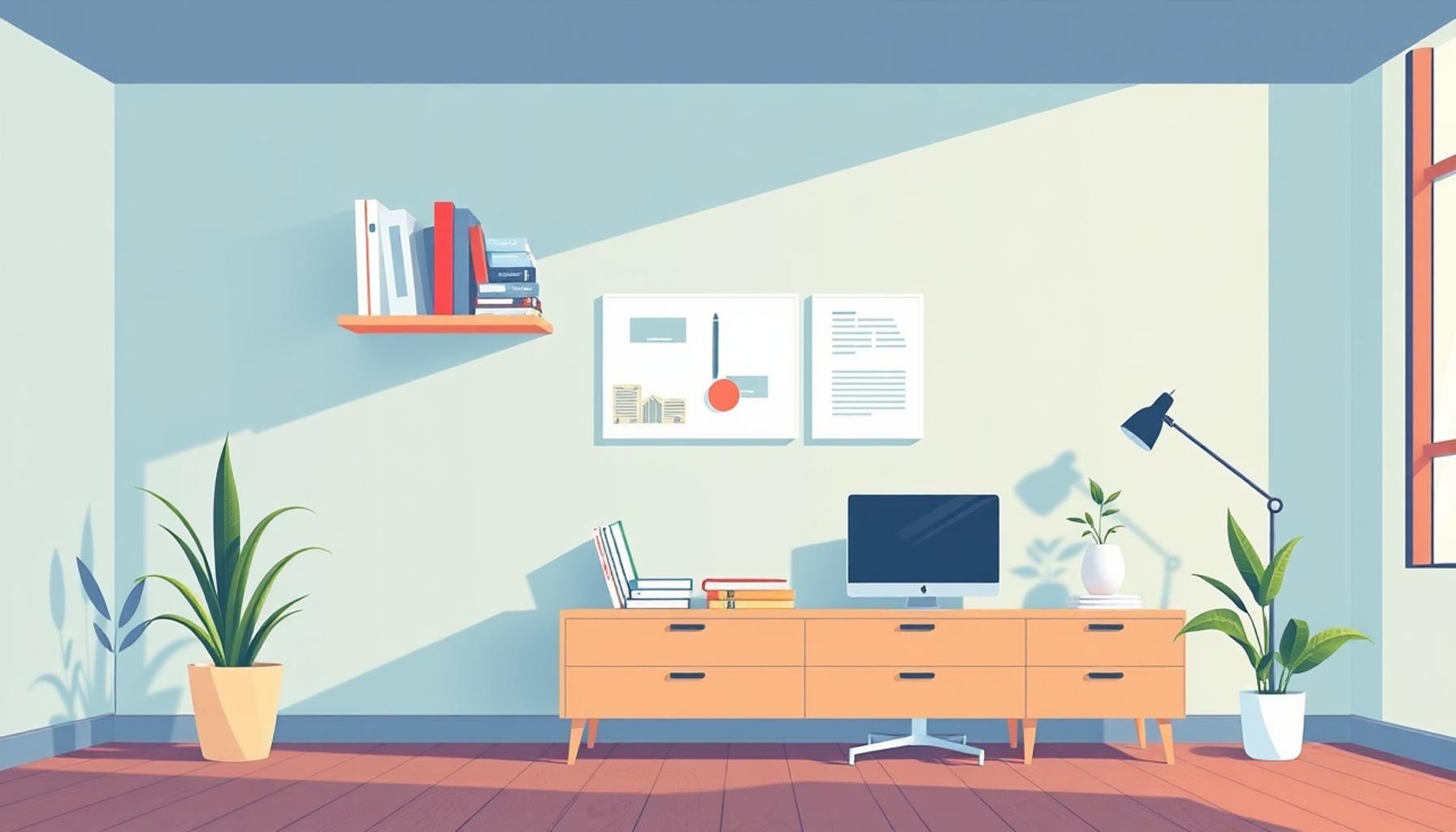
- Creating Zones: Designate specific spaces for common tasks to enhance functionality. For instance, if you work from home, having a designated workspace can prevent distractions and help you transition into work mode more easily.
- Strategic Storage: Utilize vertical space and smart storage solutions to keep items organized. Shelving units, under-bed storage, and decorative bins can all help maintain an uncluttered look while ensuring everything has its place.
As you explore these changes, you’ll discover how small adjustments can lead to a profound transformation in your living spaces. Transitioning to a minimalist lifestyle is not about deprivation but rather about enhancing your quality of life through simplicity and intentionality. Join us on this journey toward a more organized and fulfilling life. Dive deeper into the world of minimalism and see how even the tiniest tweaks can create significant impacts, turning your home into a haven of serenity and purpose.
Small Changes, Big Impact
Adopting a minimalist lifestyle can begin with seemingly trivial changes, yet these small adjustments can significantly transform a space and enhance daily life. When it comes to organization, the key is to create systems that streamline your living environment. This not only serves to declutter your physical space, but also contributes to a clearer state of mind. Here are some fundamental organizational strategies that align with minimalist principles.
Embrace the 80/20 Rule
The 80/20 rule, also known as the Pareto Principle, suggests that 80% of your results come from 20% of your efforts. When applied to home organization, this means that a small percentage of your items are likely used most frequently. Start by identifying these essential items and ensure they are easily accessible, while the less frequently used items can be stored away or simply let go. This can drastically reduce clutter and make it easier to maintain an orderly home.
Efficient Multi-Use Spaces
In many American homes, space is limited. To maximize utility and foster an organized atmosphere, consider transforming areas to serve multiple purposes. For example, a dining room can double as a workspace by incorporating an attractive yet functional desk. Furniture that serves multiple functions, such as a bench with storage or a convertible sofa, can also aid in decluttering. By creating efficient multi-use spaces, you not only optimize your area but also reduce the number of items you need to keep.
Smart Labeling Systems
Another practical approach to enhancing organization is through an effective labeling system. Whether it’s for bins, boxes, or files, labels can streamline organization by quickly directing users to the right location of items. Use clear and concise wording to ensure that anyone can find what they need without rummaging through various containers. This simple technique not only helps maintain order but also empowers you to easily track your belongings.
Routine Decluttering
Establishing a regular decluttering routine is vital for long-term success in maintaining a minimalist lifestyle. Set aside a few minutes each week to reassess your belongings. Ask yourself if each item adds value to your life or if it creates unnecessary clutter. This weekly practice can become a habit that encourages ongoing mindfulness about your possessions and helps reinforce your commitment to minimalism. Here’s a quick checklist to guide you during each decluttering session:
- Have I used this item in the last six months?
- Does it hold sentimental value, or can I let it go?
- Is it functional, or does it take up space for no reason?
- Could someone else benefit from this item?
By following these organization strategies, you invite positive change into your surroundings, reinforcing the minimalist principles of harmony and focus. As you delve deeper into the process, you may find that not only do your living spaces become more manageable, but your overall well-being also improves, paving the way for a more intentional way of living.
| Category | Key Features |
|---|---|
| Decluttering | Eliminates unnecessary items to create a calming environment. |
| Increased Productivity | A tidy space enhances focus and efficiency in daily tasks. |
| Organizational Systems | Utilizes specific methods to optimize available space. |
| Improved Well-being | A minimalist approach can lead to reduced stress levels and enhanced mental clarity. |
| Sustainability | Encourages mindful consumption and reduces waste. |
| Aesthetic Appeal | Simple designs create visually pleasing and harmonious spaces. |
Embracing a minimalist lifestyle involves understanding that organization plays a crucial role in transforming your living spaces. One of the most fundamental principles is decluttering. By eliminating unnecessary items, you not only create a calming environment but also gain a sense of clarity. This process significantly enhances productivity as a tidy space allows for greater focus and efficiency in daily tasks.Implementing organizational systems can further optimize your living space. These methods involve using specific techniques to maximize storage potential while keeping your environment clean and organized. Coupled with this, the minimalist approach often leads to improved well-being. A well-organized space can reduce stress levels and provide enhanced mental clarity, benefitting your overall lifestyle.Moreover, minimalism encourages sustainable practices by fostering mindful consumption. This principle not only contributes positively to the environment but also allows you to procure only what you truly need. Lastly, a minimalist aesthetic provides a unique visual appeal. Simple designs can create harmonious spaces that resonate tranquility, offering a pleasing sanctuary away from the chaos of everyday life.
Transforming Spaces Through Intentional Choices
In a world where consumerism often leads to cluttered living spaces, adopting a minimalist lifestyle involves making intentional choices about what we keep and how we organize our belongings. Beyond mere decluttering, this philosophy encourages us to cultivate an environment that reflects our true needs and values. Here are some additional strategies that can further enhance organization and space transformation.
The Power of Visual Clarity
One powerful element in minimalist organization is visual clarity. This involves arranging items in a manner that is aesthetically pleasing and functionally efficient. Utilizing clear containers for storage, for example, allows you to see the contents without searching through multiple boxes. Transparent bins in a closet not only make it simpler to locate items but also encourage you to make more discerning choices about what you keep. Additionally, color-coding can enhance visual organization, making it easier to identify where things belong and reducing the time spent on finding items.
Digital Decluttering
In today’s technology-driven age, it’s essential to include a digital decluttering aspect in your minimalist journey. Files, apps, and digital media can accumulate just as easily as physical items, often leading to overwhelm. Schedule regular “digital clean-up” sessions where you organize files, delete unused apps, and unsubscribe from unnecessary emails. Use cloud storage solutions effectively to ensure that your digital space is as tidy as your physical environment. This not only improves efficiency but also establishes a digital sanctuary where you can focus without distractions.
Adopt a “One In, One Out” Principle
A strategic way to maintain balance in your home is by incorporating the “one in, one out” principle into your lifestyle. This rule requires that for every new item brought into your home, another must be removed. This simple yet effective strategy ensures that your space doesn’t become overwhelmed with excess items. Whether it’s a new piece of clothing, a gadget, or a home decor item, considering its place in your existing environment fosters mindfulness and promotes a more disciplined approach to consumption.
Minimalist Decor
When it comes to creating harmony in a minimalist space, decor plays a vital role. Select a few meaningful pieces that resonate with your style instead of overwhelming your walls with multiple photographs or knick-knacks. A single striking piece of art or a well-placed plant can serve as a focal point, giving your space character without causing clutter. Choose decor that resonates with you and serves a purpose, making sure that every item contributes positively to the ambiance of your environment.
Creating Mindful Zones
Another compelling approach is to define mindful zones within your living space. These are areas designated for specific activities—such as a reading nook, a meditation corner, or a workspace—that encourage focus and productivity. The intention behind these zones is to create environments conducive to specific tasks, thereby reducing distractions and promoting clarity. By being mindful of how each space serves a purpose, you can foster a serene atmosphere that enhances daily routines.
As you explore these strategies, remember that the essence of a minimalist lifestyle lies not just in the absence of clutter, but in the presence of intention. Each small change in organization can lead to transformative outcomes, allowing you to experience greater peace and enjoyment in your daily surroundings.
Embracing Minimalism for Lasting Change
In conclusion, adopting a minimalist lifestyle can bring about profound transformations not only in our living spaces but also in our overall well-being. By embracing intentional organization and small, mindful changes, we create environments that are both functional and enriching. The journey towards minimalism invites us to assess our possessions, ensuring that each item serves a purpose and resonates with our core values.
From implementing visual clarity through stylish storage solutions to practicing digital decluttering, each step helps eliminate distractions, promotes efficiency, and enhances our focus on what truly matters. Additionally, the adoption of principles such as “one in, one out” reinforces a disciplined approach to consumption, ultimately leading to more meaningful experiences. By selecting minimalist decor and defining mindful zones, we cultivate serene and productive spaces that nurture our creativity and peace of mind.
As we continue to explore the minimalist philosophy, the potential for transformation is limitless. These small changes may seem insignificant at first, but together, they pave the way for a profound shift in how we experience our environments. For those looking to embark on this path, the invitation is clear: begin today—each tiny decision contributes to a broader legacy of calm and clarity. Embrace minimalism, and discover how organizing your space can redefine the quality of your life.

Beatriz
Beatriz Johnson is a seasoned minimalist and writer with a passion for simplifying the complexities of personal organization and intentional living. With over a decade of experience in decluttering strategies and mindful consumption, she specializes in topics like space optimization, habit simplification, and sustainable lifestyle choices. Through her work on our website, Beatriz empowers readers to embrace minimalism, reduce mental and physical clutter, and create more meaningful, organized lives in today's fast-paced world.