
Mindful Consumption and Sustainability: Reducing Waste in a Minimalist Lifestyle
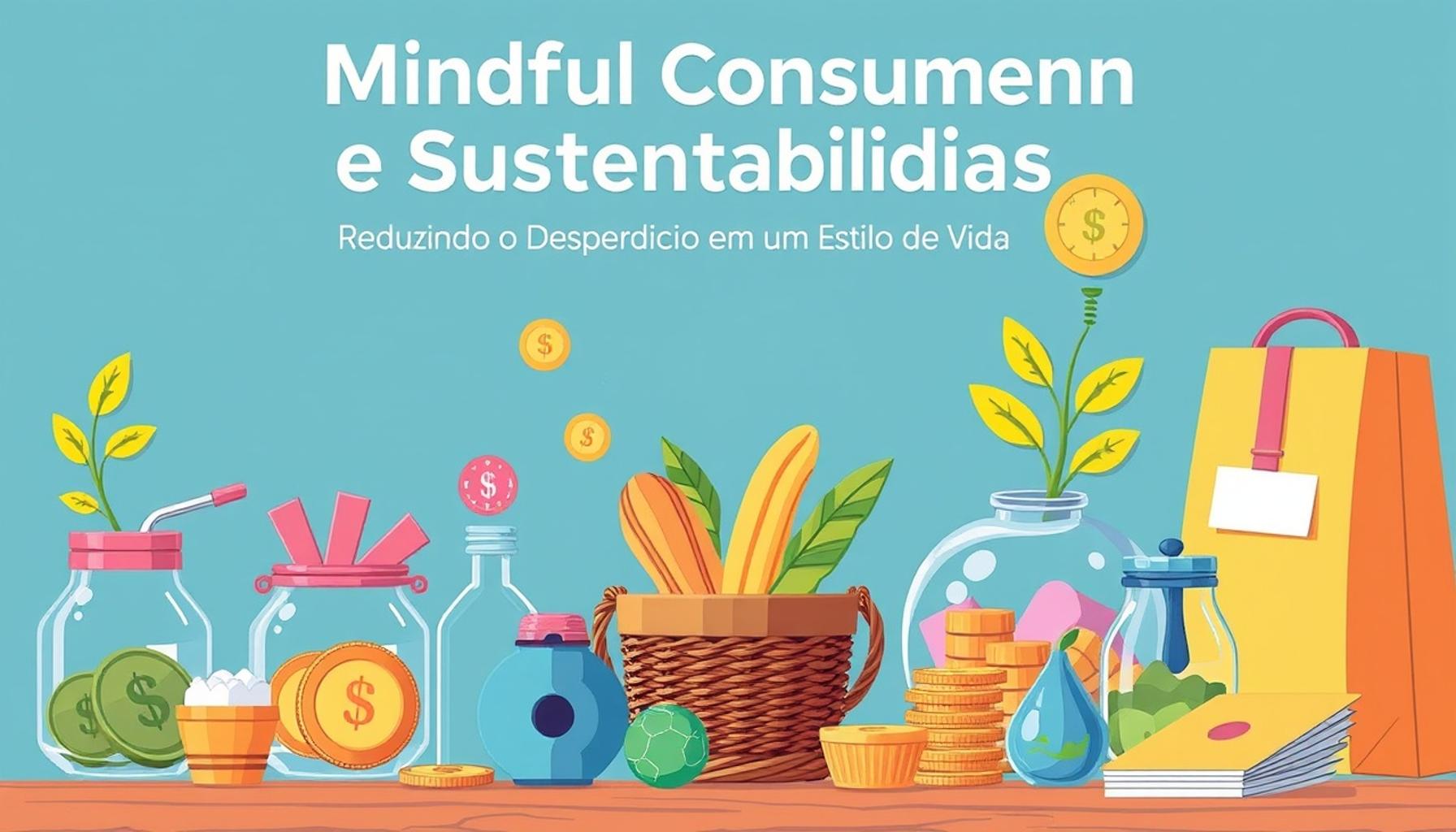
Understanding the Impact of Our Consumption Choices
As the world grapples with escalating environmental concerns, the importance of mindful consumption has never been greater. This approach encourages consumers to engage thoughtfully with the resources they use, fostering a sense of responsibility towards our planet.
The Minimalist Lifestyle: A Paradigm Shift
In a society often defined by excess, embracing a minimalist lifestyle can lead to a profound shift in how we perceive and interact with the world around us. By consciously choosing to prioritize quality over quantity, individuals can experience not just a reduction in clutter but also a deeper sense of fulfillment and purpose.
Key Principles of Mindful Consumption
Here are key principles that embody this philosophy:
- Awareness: Understanding the impact of our choices on the environment is crucial. For instance, a single plastic bottle may seem innocuous, but consider the fact that millions are discarded daily, contributing to significant pollution. Becoming aware of such patterns can inspire more thoughtful decisions.
- Simplicity: Reducing clutter allows us to focus on what truly matters in life. By eliminating excess belongings, individuals often find clarity and purpose, ultimately leading to a richer experience, and paradoxically, a fuller life.
- Quality over Quantity: Investing in durable, sustainable products may seem like a larger upfront cost, but in the long run, it saves money and reduces waste. For example, opting for a high-quality reusable water bottle instead of single-use plastics not only benefits the environment but also promotes healthier drinking habits.
Adopting these principles doesn’t just help in reducing waste; research indicates that minimalism can lead to increased happiness and lower stress levels. A study by the Happiness Research Institute found that individuals who embrace simple living have a higher overall life satisfaction. This correlation highlights the psychological benefits that accompany a more mindful approach to consumption.
The Rise of Eco-Conscious Living in the U.S.
In the United States, the rising trend of eco-conscious living underscores the pivotal role that sustainability plays in today’s consumer landscape. More Americans are actively seeking out brands that prioritize eco-friendliness—from sustainable fashion labels to zero-waste grocery stores. This shift is not just a trend; it reflects a growing awareness of environmental impact and personal responsibility.
By exploring the relationship between mindful consumption and reducing waste, individuals can contribute significantly to a healthier planet. Practical strategies—such as shopping locally, choosing second-hand items, or participating in community exchanges—can make a meaningful difference. Equipping oneself with knowledge is vital; there are countless resources available, from documentaries to online courses, that can enhance one’s understanding of sustainable practices.
Through this exploration, readers will discover practical strategies to integrate mindfulness into their purchasing decisions, paving the way for a more sustainable future. Engaging with our consumption habits thoughtfully can lead not only to environmental benefits but also offer a more rewarding and fulfilling life experience.
Embracing Mindful Consumption: Taking Action for a Sustainable Future
The journey towards mindful consumption is not just a personal choice; it is a collective movement towards a more sustainable future. As American citizens face rising environmental challenges, the need for responsible consumption has emerged as a critical solution. Mindful consumption entails approaching purchasing decisions with intention and awareness, understanding how every choice affects our planet’s health.
Connecting Consumption to Sustainability
To grasp the significance of mindful consumption, it is essential to connect our everyday habits with sustainability. For instance, consider the lifecycle of a product. Every item we purchase—from clothing and electronics to food packaging—has a footprint, which includes resource extraction, manufacturing, transportation, and disposal. Each of these stages contributes to greenhouse gas emissions, pollution, and waste accumulation.
As an example, the U.S. produces approximately 292.4 million tons of waste annually, with a significant portion coming from single-use items. Reducing waste is crucial to combatting climate change and the depletion of natural resources. By adopting a minimalist lifestyle, consumers can inherently reduce this waste by making conscious decisions that prioritize sustainability over convenience.
Practical Steps Toward Mindful Consumption
Incorporating mindful consumption into daily life requires a few practical steps. Here are some strategies that anyone can adopt to promote sustainability:
- Evaluate Needs vs. Wants: Before making a purchase, take a moment to assess whether the item is truly needed. This prevents impulse buys that can lead to unnecessary accumulation.
- Research Brands: Support companies that show a commitment to environmental sustainability. Look for certifications such as Fair Trade, B Corp, or organic labels that affirm a business’s dedication to eco-friendly practices.
- Practice Repair and Reuse: Instead of discarding damaged items, consider repairing them or repurposing them for new functions. This not only reduces waste, but can also spark creativity.
- Mindful Meal Planning: Food waste is a significant contributor to environmental problems. Create meal plans, shop with a list, and incorporate leftovers into future meals. This not only minimizes waste but also saves money.
By taking these steps, individuals can actively participate in a shift towards a sustainable lifestyle. As more Americans cultivate a consciousness around their consumption, the positive impacts extend beyond personal homes, affecting communities and ecosystems alike.
Ultimately, the collective effects of mindful consumption can lead to significant environmental benefits, showing that every choice counts. In the face of growing environmental challenges, a minimalist and mindful approach to consumption offers both an opportunity for personal growth and a pathway toward collective sustainability.
| Category | Advantages |
|---|---|
| Waste Reduction | Fosters environmental responsibility by lowering the volume of waste produced, enhancing ecosystem health. |
| Mindful Purchasing | Encourages thoughtful decision-making, leading to better quality products that last longer and reduce overall consumption. |
| Financial Savings | Promotes cost-effective living by prioritizing needs over wants, ultimately reducing unnecessary expenses. |
| Quality Over Quantity | Shifts focus to sustainable production, advocating for items that are ethically sourced and manufactured. |
The principles of mindful consumption resonate deeply within the minimalist lifestyle. By systematically analyzing what we buy and significantly reducing waste, we not only benefit the planet but also contribute to a more meaningful way of living. As individuals embrace these changes, they foster an environment conducive to sustainability, encouraging others to reflect on their own consumption habits. Each choice becomes a statement of values rather than merely a transaction. Integrating these practices into daily life can lead to profound transformations and an enriching experience, inviting further exploration into sustainable lifestyles and practices.
Reimagining Everyday Routines: The Impact of Mindful Consumption
In the quest for a sustainable lifestyle, it is essential to reimagine our everyday routines and consider how small, mindful choices can lead to significant environmental benefits. Mindful consumption goes beyond the act of purchasing; it encompasses an entire mindset that focuses on reducing waste, conserving resources, and fostering a connection with what we consume.
Minimalism as a Catalyst for Change
The minimalist lifestyle serves as an effective framework for promoting mindful consumption. It encourages individuals to refine their lives by stripping away excess, allowing them to focus on quality over quantity. A minimalist approach can lead to a profound shift in how we perceive ownership and value. For instance, owning fewer possessions typically means lowering the frequency of shopping trips, which in turn reduces carbon emissions associated with manufacturing and transportation.
According to a report by the Environmental Protection Agency (EPA), the production of one pound of products generates about 3.5 pounds of waste. Therefore, by minimizing the items we purchase and possess, we can combat the overwhelming statistics of consumer waste. Adopting a youthful, intentional approach to ownership not only nurtures sustainability but encourages greater appreciation for the items that truly matter.
The Shift Towards Conscious Fashion
Fashion is one of the most significant contributors to environmental degradation, with fast fashion leading to massive waste. Each year, Americans send an estimated 17 million tons of textile waste to landfills. Mindful consumption calls for a shift towards conscious fashion choices that prioritize sustainability. By opting for second-hand clothing, vintage stores, or brands committed to sustainable practices, consumers can extend the lifecycle of garments and reduce textile waste.
Purchasing high-quality, timeless pieces rather than disposable fashion can also significantly diminish our contribution to waste. The growing trend of clothing rentals presents another alternative, allowing individuals to enjoy diverse wardrobe options without the negative environmental impact of ownership.
Embracing the Share Economy
The emergence of the sharing economy provides yet another pathway for reducing waste and promoting mindful consumption. Platforms such as Airbnb, Uber, and task-sharing sites allow individuals to access goods and services without permanent ownership. This approach helps communities to maximize resource use while decreasing the environmental impact associated with production and disposal.
- Community Tool Libraries: Local libraries of things are sprouting across the country, allowing people to borrow tools and equipment for home improvement projects instead of purchasing them outright.
- Car-Sharing Services: Companies like Turo and Zipcar reduce the number of individual cars on the road, decreasing traffic and emissions while also promoting economical travel.
Ultimately, by engaging in a sharing economy, we reduce the overall demand for new products and foster greater community connections. These alternatives not only mitigate waste but also enhance the quality of life by enabling shared experiences and collaboration.
As more individuals adopt mindful consumption principles, the ripple effects can lead to transformative changes in our local and global ecosystems. Each small choice contributes to a larger narrative of sustainability, inviting consumers to become advocates for environmental responsibility.
Building a Sustainable Future through Mindful Choices
In conclusion, embracing mindful consumption and adopting a minimalist lifestyle presents us with a unique opportunity to make meaningful changes that positively impact the environment. By consciously evaluating our purchasing habits, valuing quality over quantity, and utilizing resources through the sharing economy, we can collectively reduce waste and lessen the strain on our planet’s resources. The data is compelling: for every pound of product created, 3.5 pounds of waste are generated, underscoring the urgent need for a paradigm shift in consumer behavior.
As we transition towards this mindful approach, it is essential to recognize the power of our individual choices. By supporting sustainable fashion brands, participating in community resource-sharing initiatives, and prioritizing longevity in the items we purchase, we cultivate an ecosystem of respect for our environment. The rise of conscious consumerism, consequently, has the potential to reshape industries and inspire a cultural movement that values sustainability as a core principle.
Ultimately, moving towards a minimalist lifestyle that emphasizes mindful consumption encourages a shift in mindset — one that fosters gratitude and connection with our belongings. It compels us not just to think about our own needs but also to consider the broader impact of our actions on the planet. By choosing prudently and purposefully, we become stewards of our environment and champions of a sustainable future. So, let’s embrace these principles wholeheartedly and ignite a wave of change for ourselves and future generations.

Beatriz
Beatriz Johnson is a seasoned minimalist and writer with a passion for simplifying the complexities of personal organization and intentional living. With over a decade of experience in decluttering strategies and mindful consumption, she specializes in topics like space optimization, habit simplification, and sustainable lifestyle choices. Through her work on our website, Beatriz empowers readers to embrace minimalism, reduce mental and physical clutter, and create more meaningful, organized lives in today's fast-paced world.